




Reviewed by: Y. Garcia
2025 has marked a transformative year in the Android ecosystem, with manufacturers delivering breakthrough innovations across every price segment. From AI-powered camera systems that redefine mobile photography to revolutionary battery technologies and form factor innovations, 2025 has proven to be an outstanding year for phone launches. What's particularly remarkable is how silicon battery technology has enabled massive capacity improvements, while AI implementations have evolved beyond marketing buzzwords to deliver genuinely transformative user experiences.
The flagship champions setting new benchmarks
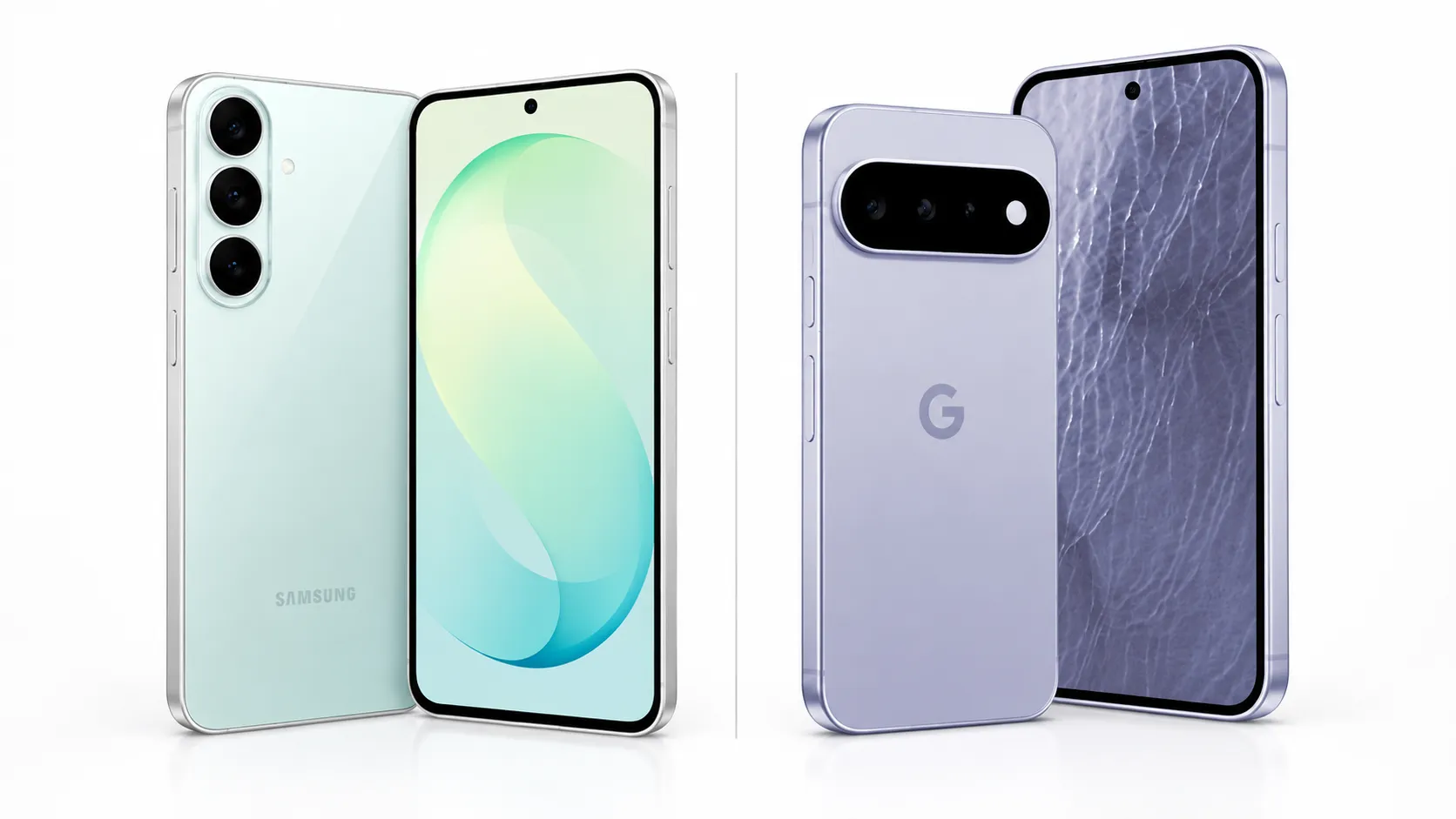
Three devices have emerged as the definitive leaders in Android excellence, each representing distinct philosophies in premium smartphone design and engineering. The Google Pixel 10 Pro XL stands as the best Google phone yet, showcasing how Google's mastery of AI integration creates contextual experiences that anticipate user needs. The Magic Cue feature exemplifies this evolution, surfacing relevant information precisely when needed. Crucially, Google has rectified long-standing issues with this generation, delivering unprecedented performance improvements while maintaining the exceptional camera capabilities and refined software experience that define the Pixel brand.
Samsung's Galaxy S25 Ultra continues pushing mobile computing boundaries with considerable upgrades and a new design that makes it easier to hold and use. This flagship showcases a massive 6.9-inch QHD AMOLED display with 120Hz refresh rate and remarkable 2,600 nits peak brightness, according to ZDNET. The camera system remains formidable, with a 200MP main sensor, dual telephoto lenses offering 3x and 5x optical zoom, and advanced AI features that continue to push mobile photography into unprecedented territory.
The OnePlus 15 demonstrates how emerging manufacturers can challenge established players through strategic innovation, taking on heavyweights like Samsung Galaxy S25 Ultra without costing a thousand dollars. Its remarkable 7,300 mAh battery capacity and superior IP68/IP69 dust and water resistance rating, according to ZDNET, prove that value-focused brands can deliver flagship-tier durability and endurance that surpass those of premium competitors.
Foldable evolution reaches maturity
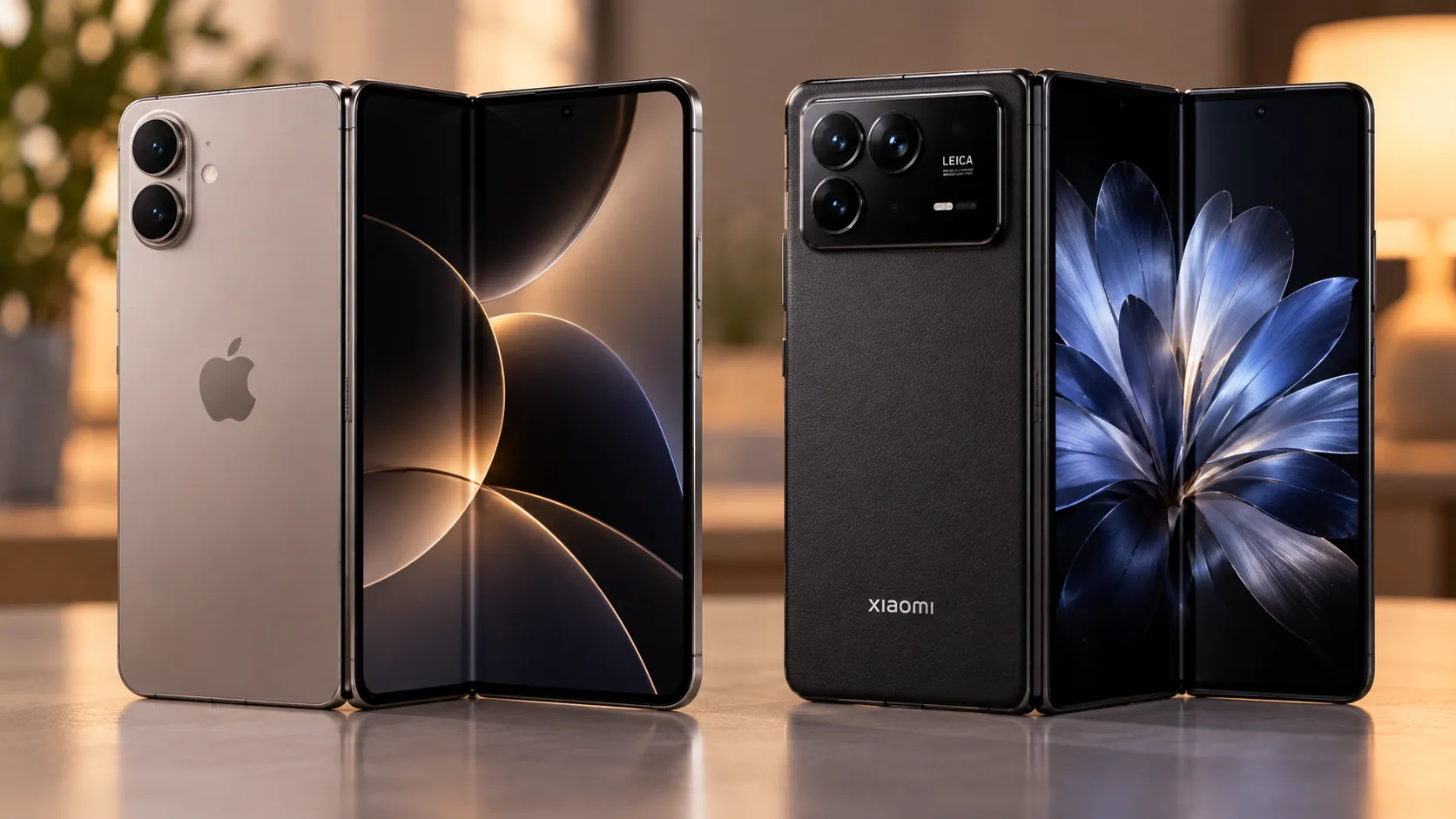
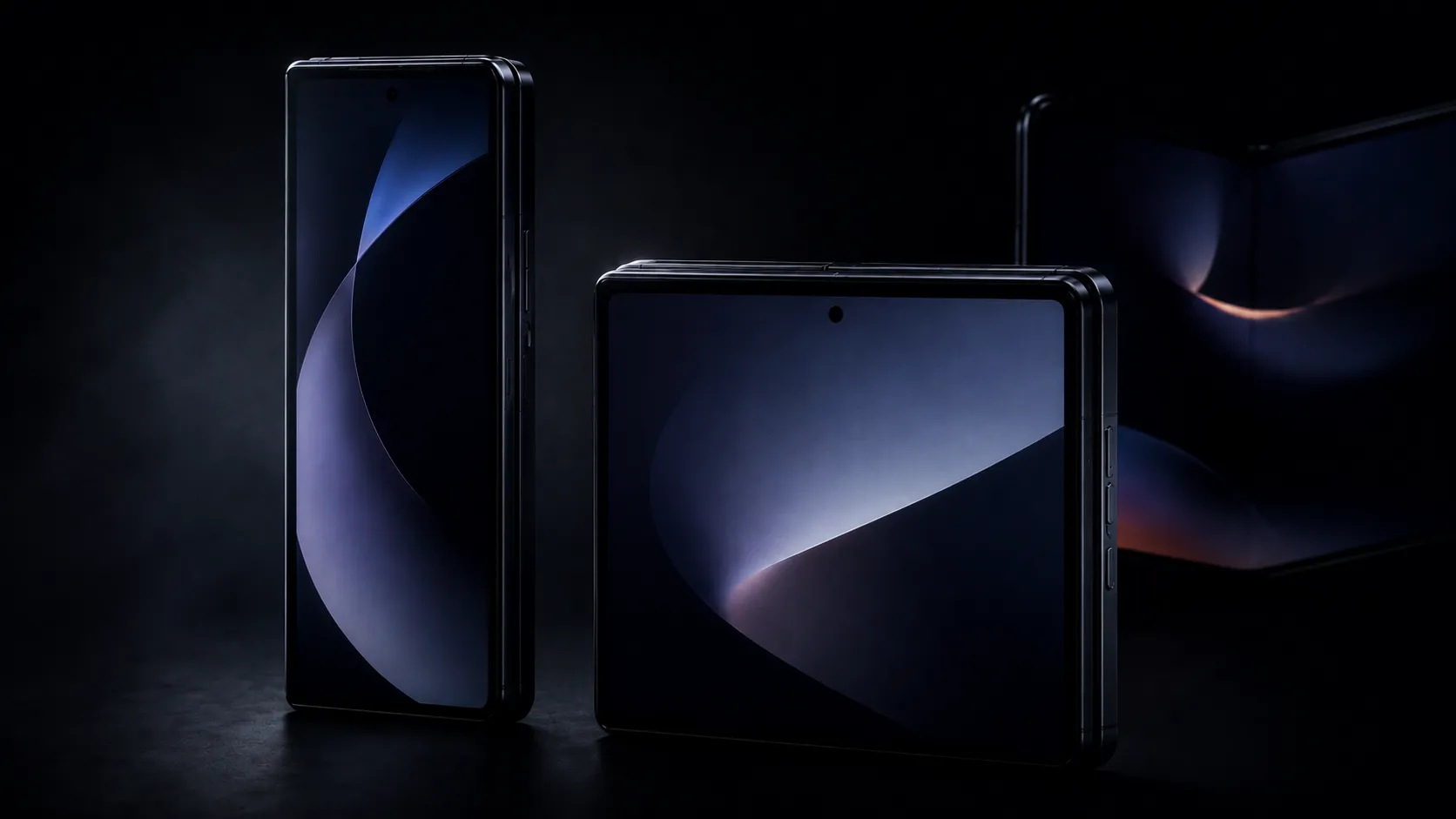
The foldable category has undergone its most significant transformation since inception, with Samsung leading a comprehensive refinement effort that addresses fundamental usability concerns. The Galaxy Z Fold 7 represents a massive leap from the Z Fold 6 in terms of slimming down its footprint and feeling like a regular phone when folded up. This breakthrough addresses the primary barrier that prevented mainstream adoption of book-style foldables.
Samsung's comprehensive foldable strategy extends to flip phones through meaningful innovation. The Galaxy Z Flip 7 maintained its core appeal while stretching the cover screen to wrap around the dual cameras, creating a flip-style device that lets you see more at a glance without having to open it up. This enhancement transforms quick interactions and notification management, making the foldable form factor significantly more practical for daily use.
The competitive landscape has evolved dramatically with Motorola's emergence as a serious challenger. The Motorola Razr Ultra outclassed Samsung's Z Flip 7 in several ways, demonstrating how focused engineering and premium materials can challenge established foldable leaders. This competition signals a maturing market where innovation drives continuous improvement rather than relying solely on form factor novelty.
AI transcends marketing to deliver utility
The artificial intelligence revolution in smartphones has reached a transformative inflection point where practical applications replace experimental features. Google has pioneered this transition with the Pixel 10 series, showcasing incredible on-device AI processing that allows many AI features to run locally. This local processing capability enables contextual features like Magic Cue and enhanced photo processing without cloud dependency, addressing both privacy concerns and performance limitations.
Samsung's AI strategy has matured through strategic partnerships, with Galaxy Intelligence features becoming more refined and practical than ever before. The company's collaboration with Google has produced AI implementations that enhance productivity workflows and creative processes without feeling forced or intrusive. This approach demonstrates how industry partnerships can accelerate AI development across the Android ecosystem.
The industry-wide adoption pattern reveals sophisticated implementation strategies, with every major manufacturer having adopted major AI platform features. Companies like OnePlus and Motorola have developed thoughtful approaches, using power buttons or dedicated apps for AI functionality while maintaining accessible interfaces that welcome users at all technical levels. This diversity in implementation ensures AI benefits reach broader audiences rather than remaining limited to tech enthusiasts.
Revolutionary technologies are reshaping mobile computing
The foundational technologies driving 2025's smartphone revolution extend far beyond incremental improvements. Battery innovation has achieved a fundamental breakthrough, with many Android flagships (especially from Chinese brands) adopting silicon-carbon batteries, enabling devices like the Find X9 Pro with its impressive 7,500mAh capacity. This transformation redefines expectations for smartphone endurance and usage patterns, potentially eliminating daily charging anxiety for many users.
Foldable technology continues expanding beyond established categories through ambitious new form factors. Samsung has launched the Galaxy Trifold in select international markets, with North American availability expected soon. This expansion demonstrates how the foldable category is diversifying to address specific use cases and professional applications, suggesting a future where form factor variety matches functional diversity.
Cross-platform compatibility has achieved a significant milestone with the integration of previously exclusive features. The Pixel 10 series became the first major Android phone series to feature MagSafe/Qi2 magnets, breaking down ecosystem barriers and opening entirely new accessory possibilities previously limited to iPhone users.
Looking toward 2026, the convergence of more powerful on-device AI processing, revolutionary battery chemistry, and innovative form factors suggests we're approaching a new era of mobile computing. The foundation established in 2025 positions Android manufacturers to deliver experiences that fundamentally transform how we interact with our devices, potentially blurring the lines between smartphones, tablets, and personal computers in ways we're only beginning to imagine.








Comments
Be the first, drop a comment!