



Reviewed by: Y. Garcia
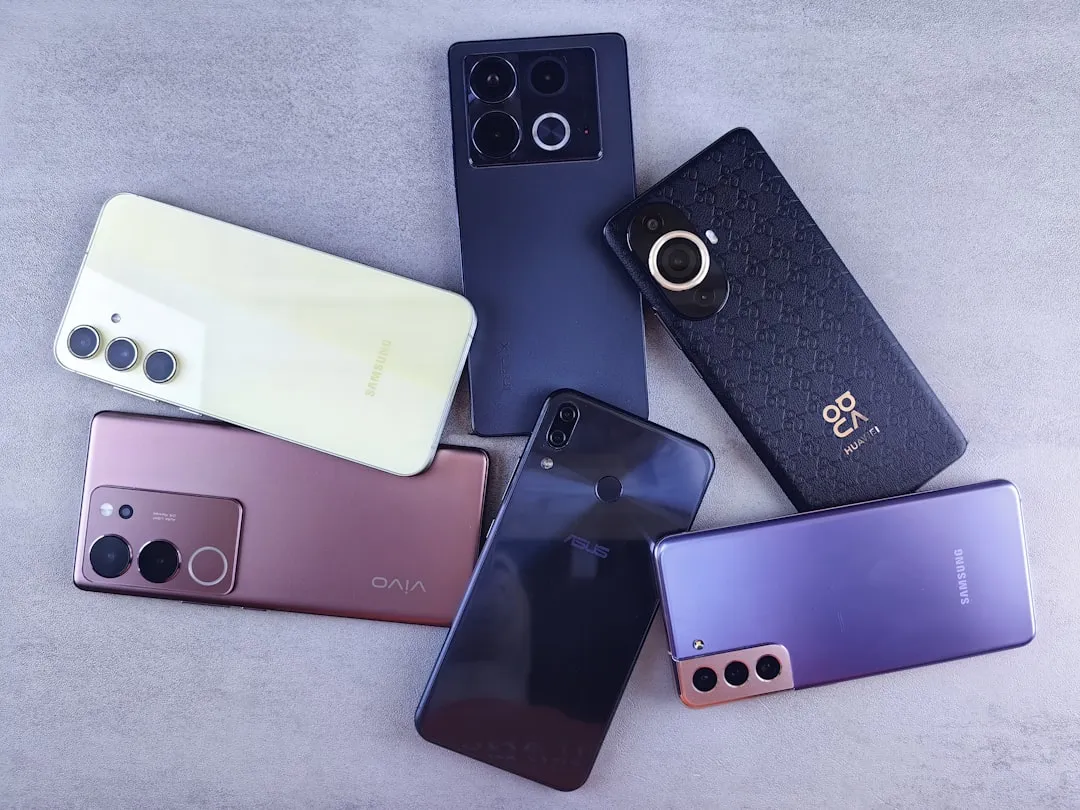
ASUS just dropped some major news that's sending ripples through the Android community. The company has officially confirmed it won't launch any new smartphones in 2026, marking a significant pause in their mobile operations. This isn't just about skipping a product cycle — ASUS has been steadily reducing its smartphone presence, according to Android Authority, and now they're hitting the brakes entirely. The timing couldn't be more telling, as the mobile industry faces unprecedented challenges that are forcing even established players to reconsider their strategies.
The market reality behind ASUS's decision
Let's break down what's really happening here. ASUS has been struggling to gain meaningful traction in smartphones for years, with their global market share sitting at a minuscule 0.26%, as reported by Smartphones GadgetHacks. Even in their home market of Taiwan, they managed only 1.2% market share in 2025, ranking seventh, according to HeyUpNow. But here's what makes this particularly telling — ASUS sustained mobile operations for over two decades without achieving profitability, according to Digitimes.
The financial picture reveals why this decision was inevitable. Their mobile division accounted for just 1% of the group's total revenue in Q3 2023, as noted by HeyUpNow. Compare that to their PC, motherboard, and GPU business, which is the company's core, higher-volume business. The math simply doesn't work when the top five smartphone vendors control around 75-80% of global shipments, according to Find Articles, leaving companies like ASUS fighting over scraps in a low-margin business.
What this means for ASUS's unique product lines
Here's what really stings about this news — we're losing some genuinely innovative products that served underserved markets. The Zenfone 10 represented one of the last bastions of truly compact Android phones, as highlighted by Smartphones GadgetHacks. Starting with the ZenFone 8, ASUS made the bold move of committing to a 5.9-inch form factor while everyone else chased larger sizes, according to HeyUpNow.
The Zenfone 10 packed flagship specs — Snapdragon 8 Gen 2, up to 16GB of RAM, and a 144Hz AMOLED display — into a genuinely pocketable package, as detailed by Smartphones GadgetHacks. But the pivot to larger displays with the Zenfone 11 and 12 Ultra already signaled they were abandoning their unique market position under pressure to chase mainstream appeal, according to the same source.
The ROG Phone series brought genuine gaming innovation that other manufacturers simply ignored. These devices pioneered features like side-mounted charging ports for unobstructed landscape grip, AirTriggers for multi-finger control, and robust cooling systems, as detailed by HeyUpNow. ASUS had been putting multiple USB-C ports on ROG Phone models for years, establishing a gaming-focused Android phone identity for power users, noted by Android Central.
The ROG Phone 9 series launched in late 2024, which makes the timing particularly cruel given that mobile gaming continues exploding in popularity. Yet gaming-specific phones account for only a low single-digit percentage of the overall market, making it a difficult niche to expand profitably, as Find Articles points out.
The strategic pivot to AI and robotics
ASUS isn't just walking away from smartphones — they're redirecting resources toward what they see as higher-growth opportunities with better profit potential. The company is shifting its primary focus toward artificial intelligence and robotics, according to Latestly. They're ramping up investment in intelligent machines, edge computing, and robotics that can operate with minimal human intervention, as the same report indicates.
This strategic shift makes financial sense when you consider where ASUS actually makes money. The company believes its long-term growth will be driven by enterprise-grade systems, including AI servers and integrated platforms, as Latestly reports. These markets offer the kind of margins and growth potential that smartphones never delivered for ASUS, especially as demand for AI-driven hardware and physical AI products accelerates across enterprise customers.
While smartphones will continue to exist within the ASUS ecosystem, they're no longer viewed as the primary engine for the company's financial growth, according to the same source. Rather than continue bleeding money in mobile, ASUS is doubling down on markets where their engineering expertise can command premium pricing.
What happens to existing ASUS phone users
Here's some good news for current owners — ASUS isn't abandoning you. Chairman Shih reassured existing customers that after-sales services and technical support will remain fully operational, according to Latestly. The company plans to honor its commitments to current users, ensuring that software updates and hardware repairs continue as planned, as the same report confirms.
Recent actions back up these promises. ASUS shipped major software updates to recent models as recently as November 2025, including Android 16 for the ROG Phone 9, ROG Phone 9 Pro, and the Zenfone 12 Ultra, as Android Central notes. The company has prioritized continuity where it matters most to current users: service and software, according to Find Articles.
The company claims warranty policies and after-sales service will continue under the current operating setup, which should include parts availability, authorized repair, and security updates for eligible devices, as Find Articles confirms. ASUS has also clearly communicated to telecom channels that maintenance, software upgrades, and warranty services for all existing products will not be affected, according to Android Authority.
The challenge for users will be long-term viability. While ASUS promises continued support, maintaining software updates and parts inventory becomes increasingly expensive without new device revenue to offset these costs. Users should realistically expect support to continue through promised update cycles, but may want to plan upgrade paths to other manufacturers for their next device.
Is this really the end, or just a strategic pause?
Bottom line: ASUS is calling this a pause, not a permanent exit. The company says that "smartphone operations will continue," implying the door isn't permanently shut on new devices, according to 9to5Google. They stopped short of confirming their smartphone business is gone for good, as Android Central points out.
However, the reality of smartphone development cycles makes a successful comeback incredibly challenging. Development cycles, supply chain relationships, and carrier partnerships all take years to build and maintain, according to Smartphones GadgetHacks. Once you lose momentum in smartphones, the ecosystem moves on without you, as the same source notes.
Consider the timeline: If ASUS remains firm in its estimation, it will go more than two years (26 months) without a ROG Phone series refresh, and assuming January 2027 would be the earliest for new devices, we'd go nearly two years without a new Zenfone, according to Android Central. In an industry where 18-month product cycles are considered slow, a two-year gap essentially means starting over from scratch with supplier relationships, carrier partnerships, and consumer mindshare.
The next few quarters will determine whether this is a reset or a wind-down, according to Find Articles. Key indicators to watch include software velocity, channel position, portfolio strategy, and organizational moves, as the same report suggests. But given the structural challenges that forced this pause — rising component costs, market consolidation, and profitability pressures — it's hard to see what would fundamentally change to make smartphones viable for ASUS again.
What this means for Android's future diversity
ASUS brought genuine innovation to the table, serving users that bigger manufacturers ignored, as Smartphones GadgetHacks emphasizes. The smartphone market has never been more competitive, yet it feels like we have fewer real choices than ever, according to the same source. Most consumers vote with their wallets, choosing products that are more comprehensive, affordable, and mainstream, as HeyUpNow observes.
This trend reflects broader market consolidation where niche players struggle to survive against the investment requirements of modern smartphones. Competitors are investing in on-device AI features, sophisticated camera pipelines, and longer support windows — capabilities that require massive scale to monetize, according to Find Articles. For smaller players like ASUS, competing on these fronts while maintaining profitability becomes nearly impossible when you're operating at 0.26% global market share.
What's particularly troubling is losing one of the few manufacturers that understood what mobile gamers and compact phone enthusiasts actually wanted, as Smartphones GadgetHacks notes. ASUS had genuine innovation, from flip cameras to compact flagship designs to serious gaming hardware, according to the same source. These innovations often influenced broader industry trends, even if ASUS couldn't capture mass market success.
The loss of ASUS phones represents more than just one fewer brand — it's a sign of how market forces are pushing Android toward homogenization, potentially leaving enthusiasts and niche users with fewer options than ever before. As development costs rise and profit margins shrink, we might see this pattern repeat with other smaller players who can't achieve the massive scale required to survive in today's ultra-competitive smartphone landscape.





Comments
Be the first, drop a comment!