





The smartphone world never sleeps, and while we're still waiting for the Xiaomi 17 series to make its way to global markets, leaks about the upcoming Xiaomi 18 Pro Max have already started flooding the tech community. What makes this particular round of rumors so compelling isn't just the impressive specifications being thrown around, but the timing and consistency across multiple sources that suggest we might actually be looking at genuine intel from industry insiders familiar with Xiaomi's roadmap.
Let's break down what we're hearing about this potential flagship killer and what it could mean for the smartphone landscape in 2026 and beyond.
Display technology that could redefine flagship expectations
Here's where things get really interesting. According to recent leaks, the Xiaomi 18 Pro Max is rumored to pack a substantial 6.9-inch 2K LTPO OLED panel with 120Hz refresh rate capabilities (NotebookCheck). Now, if you're thinking "that sounds massive," you're absolutely right. This would position the Pro Max as sharing the same screen real estate as the rumored Ultra model, though likely with some differentiation in features or quality tiers.
What's particularly exciting about this display setup is the LTPO technology. For those who might not be familiar, LTPO (Low-Temperature Polycrystalline Oxide) is basically the smart refresh rate tech that can dynamically adjust how often your screen updates based on what you're actually doing. Reading a static article? The display can drop down to as low as 1Hz to save battery. Scrolling through social media or gaming? It ramps up to that buttery smooth 120Hz.
The 2K resolution on a 6.9-inch panel should deliver that crisp, detailed viewing experience we've come to expect from premium devices. At approximately 426 pixels per inch, this density hits that sweet spot where you get excellent clarity for text, media consumption, and productivity without completely decimating your battery life or putting unnecessary strain on the GPU. Combined with the rumored 7,000+ mAh battery capacity, this LTPO technology could reduce display power consumption by up to 15-20% compared to traditional OLED panels, potentially delivering two-day battery life for moderate users (NotebookCheck).
Processing power and the cost-cutting reality
Now here's where the leaked specifications get a bit more nuanced, and frankly, more realistic from a business perspective. While the entire Xiaomi 18 lineup will reportedly feature next-generation Snapdragon silicon, cost considerations appear to be driving some strategic decisions that might surprise flagship enthusiasts.
The buzz around component costs has reached a point where even the standard Xiaomi 18 model is expected to use the regular Snapdragon 8 Elite Gen 6 rather than the Pro variant, primarily because the advanced 2nm Pro chip "is extremely expensive" (Tech Advisor). This cost-conscious approach extends throughout most of the lineup, with only the flagship Ultra model reportedly receiving the premium Snapdragon 8 Elite Gen 6 Pro processor (NotebookCheck).
What this means for the 18 Pro Max is that it'll likely share the same Snapdragon 8 Elite Gen 6 found in the base and Pro models. Before you start thinking this is necessarily a bad thing, consider the broader context. The 2nm manufacturing process still represents a significant leap forward in power efficiency and performance density compared to current 3nm chips. For most people, the standard chip will deliver flagship performance that's indistinguishable from the Pro version in daily use—we're talking about performance differences that typically only show up in sustained gaming sessions or intensive computational photography tasks.
This strategic approach reflects the reality that smartphone manufacturers are facing some tough choices as component costs continue climbing. Rather than absorbing all these costs and passing them directly to consumers through $1,500+ pricing, Xiaomi seems to be making calculated compromises that maintain competitive pricing while still delivering premium experiences.
Camera capabilities pushing boundaries
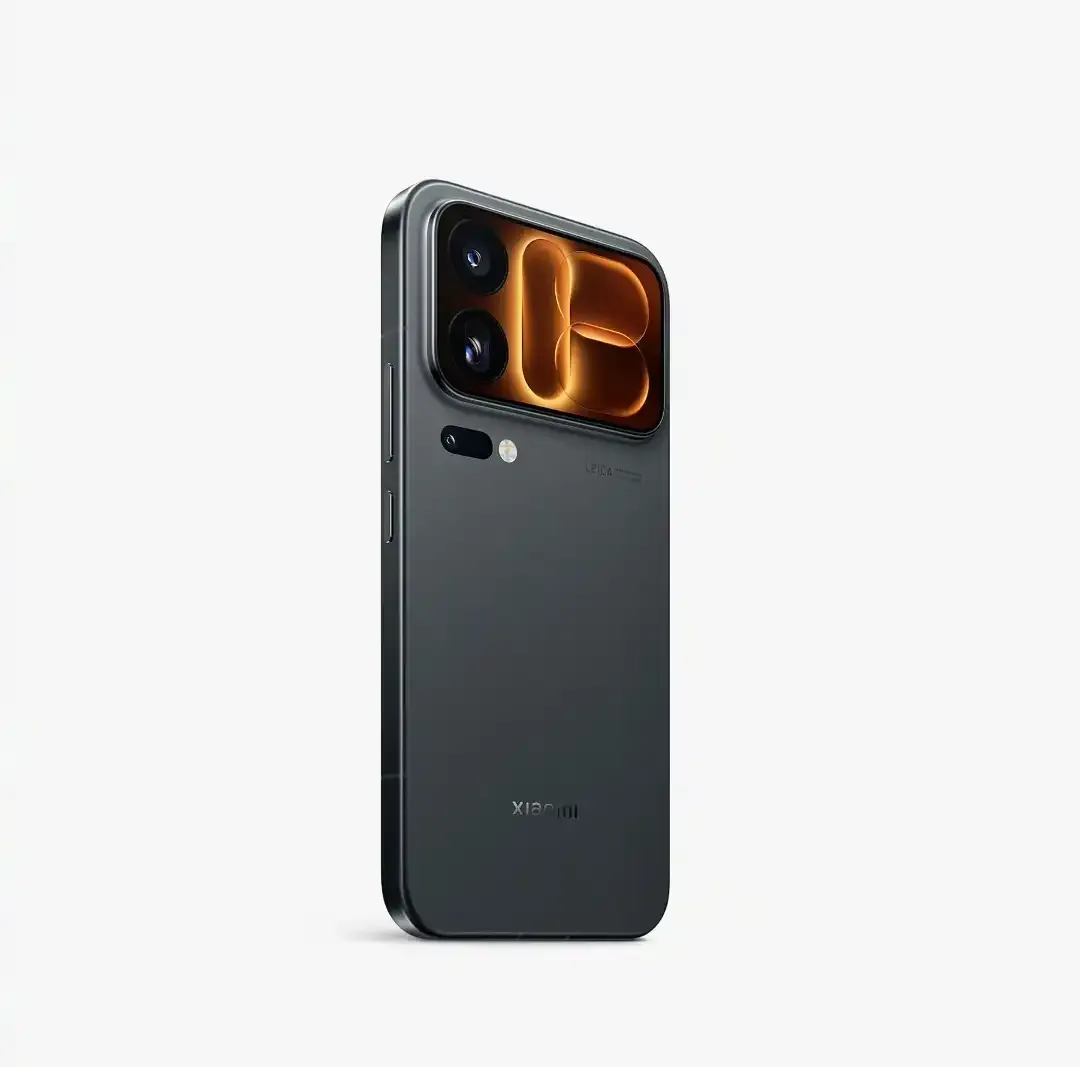
The camera specifications leaking around the 18 Pro Max suggest Xiaomi is making some serious investments in imaging technology, and these numbers are pretty impressive. Reports indicate the device will feature a dual 200MP sensor setup complemented by a 50MP shooter (NotebookCheck).
Let's talk about what this dual 200MP configuration could actually mean in practice. We're potentially looking at exceptional detail capture across multiple focal lengths, which could translate to some serious digital zoom capabilities through sensor cropping. Imagine being able to punch in on a 200MP image and still have enough resolution for sharp, detailed photos at 4x or even 6x magnification. The dual 200MP setup likely covers main and telephoto duties—think primary wide-angle shots and 3x-5x optical zoom scenarios—while that 50MP sensor probably handles ultra-wide landscapes and group photography.
The sensor technology behind these 200MP cameras is equally important. Modern high-resolution sensors typically use pixel binning technology, combining multiple smaller pixels into larger virtual pixels for better low-light performance. This means you get the flexibility of 200MP detail when lighting conditions are ideal, but the sensor can dynamically switch to 50MP or 25MP modes with larger effective pixel sizes for challenging lighting situations. Combined with Xiaomi's computational photography improvements and AI processing capabilities, this setup could deliver flagship-level camera performance across various shooting scenarios.
What's particularly noteworthy here is that this camera setup reportedly matches what we'll see in the regular 18 Pro model, suggesting Xiaomi is democratizing advanced camera technology across its higher-tier offerings rather than keeping the absolute best sensors locked away in the Ultra model (NotebookCheck).
Competitive positioning in a challenging market
Looking at these leaked specifications as a complete package, the Xiaomi 18 Pro Max appears to be positioned as a device that carefully balances premium features with cost considerations—a strategy that could prove crucial in today's price-sensitive smartphone market. The combination of that large, high-quality LTPO display, substantial battery capacity, and advanced camera technology suggests a phone designed to compete directly with established flagship offerings from Samsung Galaxy S series, Google Pixel Pro models, and even Apple's iPhone Pro lineup.
But here's what makes this positioning potentially interesting: the strategic use of the standard Snapdragon chip rather than the Pro variant indicates Xiaomi is prioritizing real-world value over benchmark bragging rights. In a market where consumers are holding onto devices for 3-4 years on average, this approach could resonate strongly with buyers who want flagship features and experiences without paying $1,200-$1,500 prices.
Consider the competitive landscape this device will enter. With devices potentially reaching international markets in Q1 2027 (Tech Advisor), the 18 Pro Max will be competing against Samsung's Galaxy S28 series, Google's Pixel 11 Pro, and whatever Apple releases in their 2026 iPhone lineup. The specifications that seem impressive today will need to hold their ground against a completely new generation of competing devices that will likely feature even more advanced processors, cameras, and display technology.
The rumored September or October 2026 China launch, followed by global availability in early 2027, also positions these phones to take advantage of early adopter enthusiasm while potentially offering better value than the competition (NotebookCheck).
The broader implications and what to watch for
As we've seen from previous Xiaomi releases, the gap between leaked specifications and final products can sometimes be significant, though the consistency across multiple leak sources for the 18 series does suggest we're looking at relatively reliable information. What's particularly encouraging is seeing Xiaomi make strategic decisions about cost versus performance rather than simply throwing the most expensive components into every model.
The approach outlined in these leaks—massive batteries across all four models, advanced display technology, high-resolution cameras, but strategic processor selection—suggests a company that's learned from market feedback and competitive pressures (NotebookCheck). This is significant because it addresses two major consumer pain points: battery anxiety and camera quality, while maintaining the competitive pricing that has made Xiaomi successful in global markets.
The real test will be execution. Can Xiaomi deliver on the ambitious display quality, camera performance, and battery life promises while maintaining software optimization and build quality? The company's track record suggests they can, but the proof will be in hands-on testing when these devices eventually arrive.
Bottom line: if these leaks prove accurate, the Xiaomi 18 Pro Max could represent a compelling middle ground in the flagship smartphone market—offering genuinely premium features like advanced display technology, exceptional battery life, and high-resolution cameras without the premium processor that drives costs through the roof. For consumers who prioritize all-day performance, excellent cameras, and a great display over absolute peak benchmark scores, this could be exactly the kind of flagship alternative the market needs.











Comments
Be the first, drop a comment!