



Xiaomi just dropped something that's going to make photography enthusiasts seriously excited. The company's latest flagship, the 17 Ultra Leica Edition, introduces a physical zoom ring that fundamentally changes how we interact with smartphone cameras. This isn't just another incremental upgrade – it's a genuine innovation that bridges the gap between traditional camera controls and modern mobile photography.
The device represents a significant leap forward from its predecessor, with Soyacincau reporting that it's notably larger than the current Xiaomi 15 Ultra. The new model features an expansive 6.9-inch flat display with 120Hz LTPO AMOLED technology and an impressive peak brightness reaching 3,500 nits, according to the same source. Here's where Xiaomi made an interesting design choice: while the screen got bigger, the display is 2608 × 1200 (≈2K) on the 17 Ultra, not Full HD+, as noted by Soyacincau. This strategic trade-off likely helps preserve the massive 6,800mAh battery life while supporting the power-hungry camera system that defines this device.
What makes this zoom ring so special?
Here's where things get really interesting. The Master Zoom Ring isn't just a decorative element – it's a precision instrument that can detect movements as tiny as 0.03mm, Engadget reports. When you rotate the ring, it automatically launches the camera app, eliminating those frustrating moments when you're trying to capture a fleeting shot.
But the functionality goes way beyond just zooming. Users can reprogram the ring to control exposure compensation and manual focus, according to Engadget. This mechanical control system adjusts multiple camera settings including zoom, focus, and exposure, Soyacincau confirms. The ring is built directly into the camera module frame, giving photographers that tactile feedback that's been missing from smartphone photography since, well, forever.
What's remarkable about this implementation is how it solves one of smartphone photography's biggest pain points – precision control. Traditional camera users know the satisfaction of having immediate, mechanical access to key settings without diving into menus. The Master Zoom Ring brings that muscle memory back, allowing photographers to make critical adjustments while keeping their eyes on the subject rather than the screen.
Camera system that actually lives up to the hype
The camera hardware backing up this innovative control system is genuinely impressive. The main shooter features a 50MP sensor with a massive 1-inch 'Light Hunter 1050L' sensor, Soyacincau details. The telephoto system is where things get particularly exciting – it's a 200MP Leica setup with continuous zoom capability spanning 75mm to 100mm equivalent focal range, the same source reports.
This isn't just marketing fluff – the device uses genuine Leica APO-certified telephoto lenses, according to Soyacincau. That APO certification means these lenses are designed to minimize chromatic aberration, delivering the kind of optical quality you'd expect from a high-end camera, not a smartphone. The continuous zoom technology represents a major step forward from the typical fixed focal length telephoto cameras we've grown accustomed to in smartphones – imagine smoothly transitioning between portrait and tighter compositions without the jarring jumps of digital zoom.
For video creators, the system supports recording up to 8K at 30fps and 4K videos at an impressive 120fps, the publication notes. These specs rival professional video cameras that cost thousands more. The Leica Edition also includes exclusive features like the 'Leica Moment' mode and enhanced professional camera controls not available on the standard version, Xiaomitime confirms.
Beyond the camera: what else is new
While the camera system steals the spotlight, every other spec has been designed to support serious photography workflows. Power comes from a substantial 6,800mAh battery, Soyacincau reports, which isn't just impressive on paper – it's specifically sized to handle the power demands of that massive camera sensor and continuous zoom system during extended photo sessions. The device runs on Qualcomm's Snapdragon 8 Elite Gen 5 processor, Gizmochina confirms, ensuring smooth performance even when processing those high-resolution images and 8K videos in real-time.
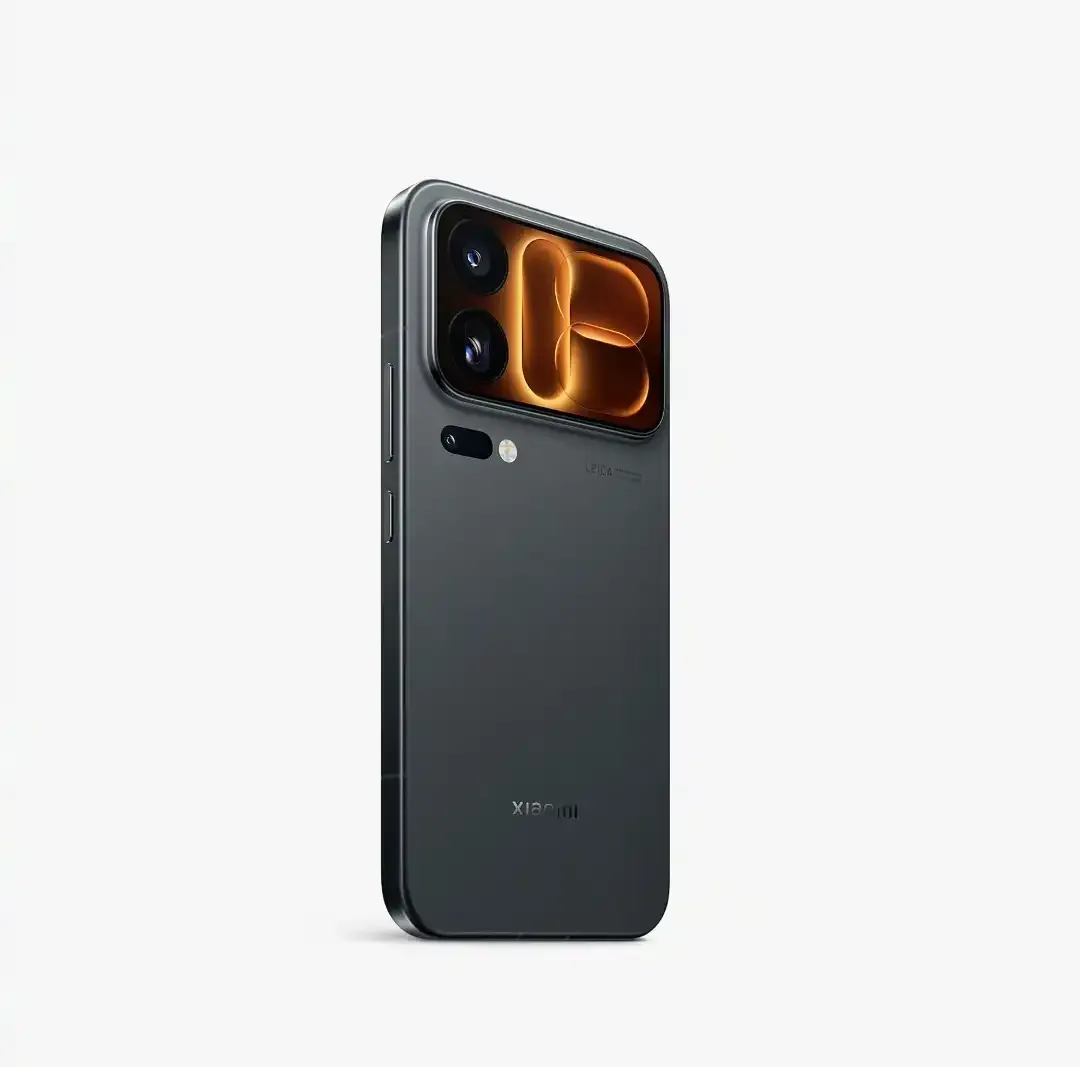
The Leica Edition features a distinctive dual-tone design that draws inspiration from classic Leica M cameras, Soyacincau notes. This isn't just aesthetic pandering – it represents a deeper philosophy about camera design. Traditional camera makers understood that form follows function, and the physical interaction with your camera affects how you approach photography. The design choice connects directly to that heritage of precision German engineering that has made Leica cameras treasured tools for generations of photographers.
For connectivity, the device supports advanced Beidou + Tiantong dual satellite communication, the same source indicates. The standard 17 Ultra comes in four color options: Black, White, Smoked Purple, and Starry Green, according to Soyacincau.
Where does this leave smartphone photography?
This isn't just about adding another feature to tick off a spec sheet. The physical zoom ring represents something more fundamental – it's about bringing back the tactile, intuitive control that made traditional cameras so satisfying to use. When smartphone manufacturers typically focus on computational photography and AI enhancement, Xiaomi's approach feels refreshingly analog.
Consider the broader implications: while competitors chase megapixel counts and AI processing power, Xiaomi has identified that the problem isn't just image quality – it's user experience. Professional photographers didn't abandon physical cameras just because smartphones got better sensors; they missed the immediate, precise control that physical interfaces provide. The Master Zoom Ring addresses that disconnect directly.
The device launched in China and is expected to expand globally in the first quarter of 2026, Android Headlines reports. This timing suggests Xiaomi is confident enough in the innovation to make it a cornerstone of their global flagship strategy. More importantly, it signals a potential shift in the industry's approach to smartphone camera design – one that prioritizes photographer experience alongside technological advancement.
If this physical control concept proves successful, we're likely to see competitors scrambling to implement their own tactile camera interfaces. That competition could drive innovation in directions we haven't seen before – perhaps physical focus rings, dedicated exposure controls, or even modular camera interfaces that serious photographers can customize.
Bottom line: the Xiaomi 17 Ultra Leica Edition isn't just another camera phone – it's a statement about what smartphone photography could become when you stop trying to replace everything with touchscreen controls and start thinking about what actually makes photography enjoyable. It represents a recognition that the best camera isn't necessarily the one with the most advanced AI, but the one that gets out of your way and lets you focus on creating great images.









Comments
Be the first, drop a comment!