



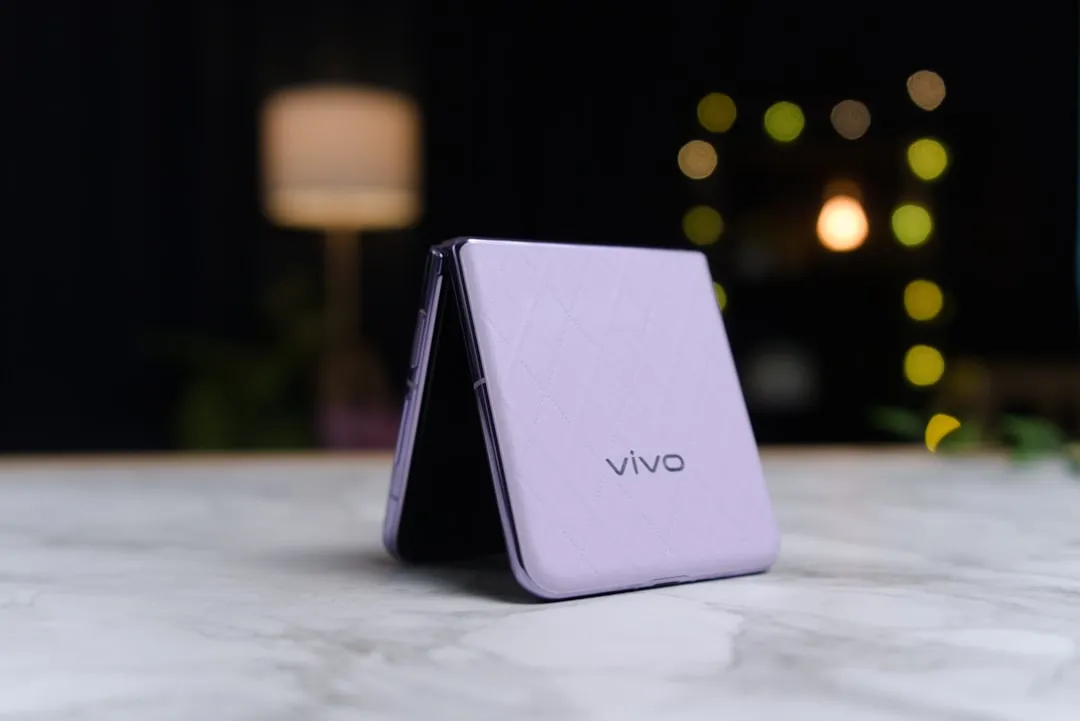
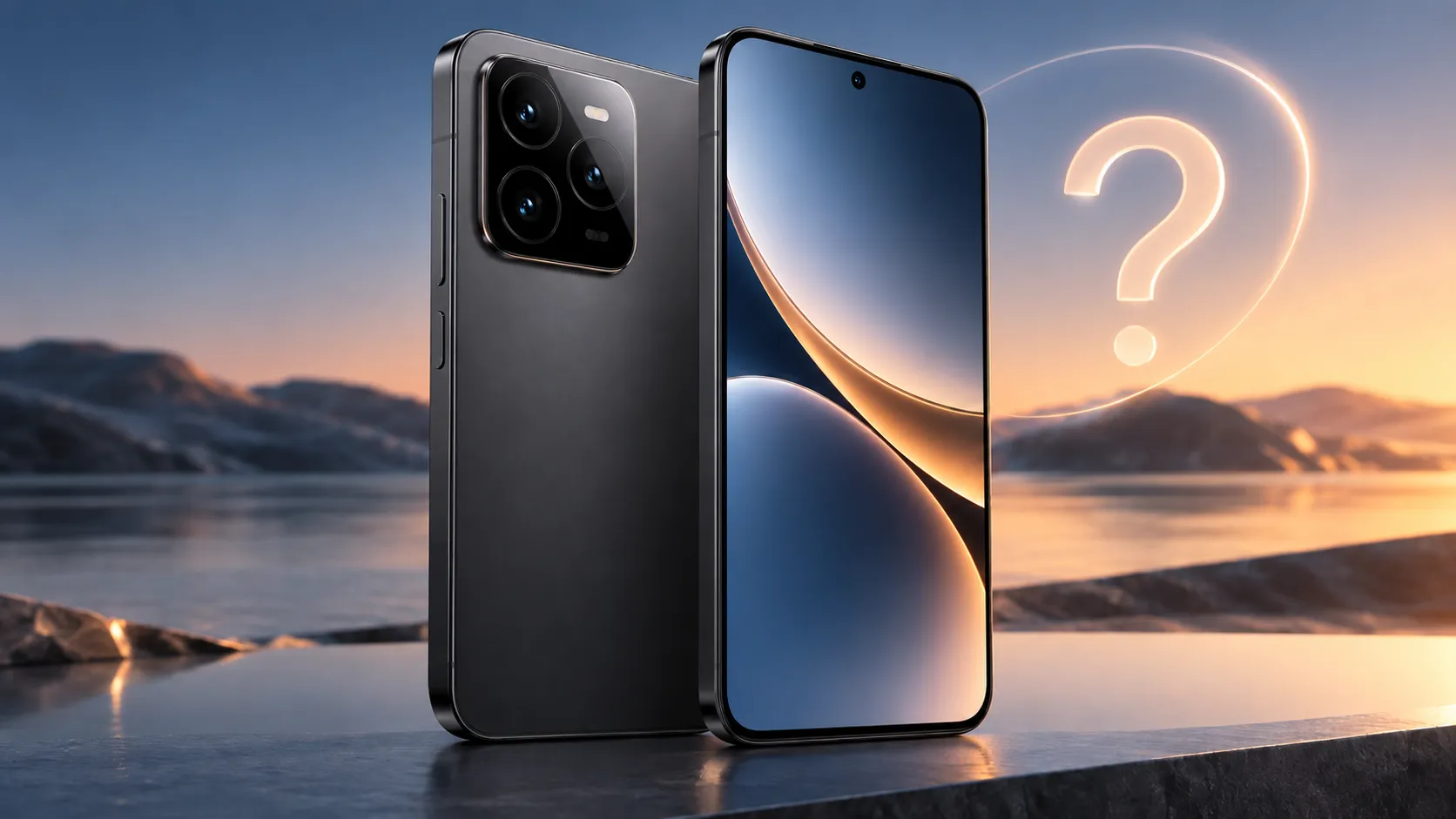
The smartphone camera race is heating up in 2026, and Vivo just might have dropped its biggest bombshell yet. Fresh leaks surrounding the upcoming X300 Ultra suggest this isn't just another incremental update—we're looking at a device that could fundamentally change how we think about mobile photography.
The timing here is particularly strategic. Vivo showcased the X300 Ultra at MWC 2026, giving us our first official glimpse of what they've been developing. Unlike the X200 Ultra which stayed locked to China, this new flagship is expected to launch globally—though sadly, the US won't be getting it. Meanwhile, certification documents from the EEC have surfaced for model V2562, the global variant, which confirms an international release is imminent.
PRO TIP: For mobile photographers frustrated by the inconsistent quality when switching between camera lenses on flagship phones, the X300 Ultra's approach could be the solution you've been waiting for.
What makes the camera setup so compelling?
Here's where things get genuinely exciting. The X300 Ultra isn't just throwing bigger numbers around for marketing purposes—it's making thoughtful hardware choices that address real-world photography challenges many of us face daily.
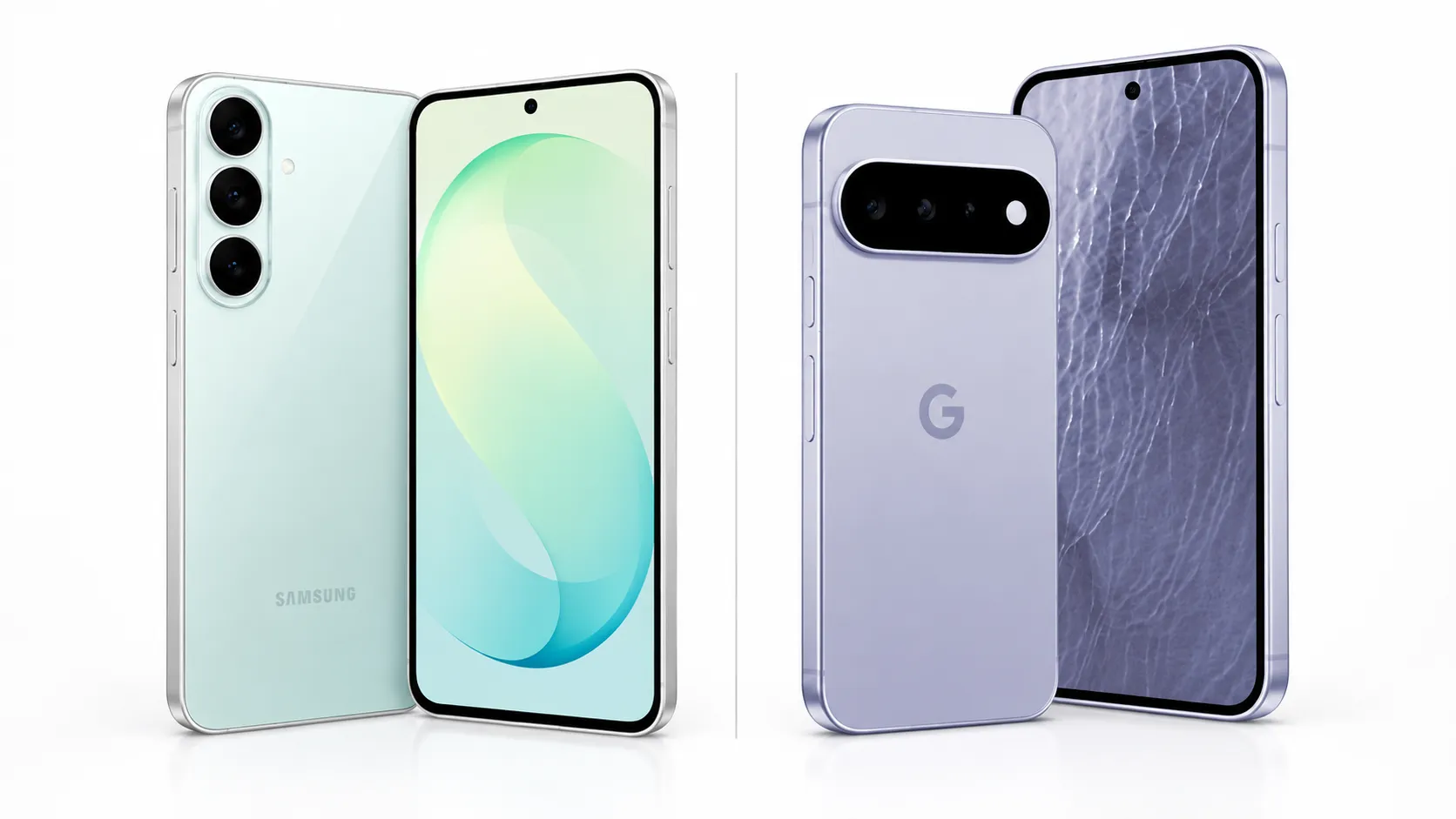
The device features a Sony LYT-901 200MP main sensor with a massive 1/1.12-inch size. While Samsung pioneered 200MP sensors back in 2023, the sensor size here is what makes this implementation special. This thing is 16% larger than both the Galaxy S26 Ultra's and Pixel 10 Pro's main cameras. That translates directly to better light-gathering capability and improved low-light performance.
But here's the really interesting strategic choice: Vivo is sticking with a 35mm focal length for the main camera. Most manufacturers have gravitated toward ultra-wide-ish main cameras around 23-24mm, but Vivo's taking a different approach that could appeal to serious photographers. This focal length offers a natural perspective that's ideal for capturing people and real-world scenes with minimal distortion. If you've ever noticed that subtle fish-eye effect on wide-angle phone cameras when shooting portraits or street scenes, you understand exactly what they're solving here.
The supporting camera lineup is where things get unprecedented. Rumors point to a 50MP Sony LYT-828 ultra-wide camera and a 200MP Samsung HPB periscope telephoto. If these specs hold true, this would make the X300 Ultra the world's first smartphone to feature dual 200MP sensors. Think about the practical implications—one of the biggest frustrations with multi-camera phones is how dramatically image quality varies when switching between lenses, especially in challenging lighting conditions.
The technical improvements run deeper than sensor upgrades. Vivo has enhanced the stabilization from CIPA 5.0 to CIPA 6.5, which should make a noticeable difference for handheld photography and video recording. The lens structure has been redesigned from a 7P setup to a 1G + 6P optical configuration, with new coatings that reportedly reduce reflections by around 30%. These aren't just spec sheet improvements—they address real problems photographers encounter when shooting in mixed lighting or challenging conditions.
How does this stack up against the competition?
Vivo's timing strategy reveals serious market intelligence. The X200 Ultra launched in April 2025, meaning the X300 Ultra is arriving almost a month earlier in the cycle. This positions them ahead of expected flagship updates from Samsung, Xiaomi, and Google in what's shaping up to be the most competitive camera phone race we've seen.
What's particularly strategic is Vivo's focus on building a professional ecosystem. They demonstrated a 400mm teleconverter kit at MWC 2026 that delivers 17x optical zoom, clearly targeting serious content creators who need serious reach. Additional leaks suggest a second teleconverter designed for everyday photography enthusiasts, which shows they're thinking beyond just selling a phone—they're building an ecosystem that could compete with dedicated camera gear.
The ultra-wide sensor specifications deserve special attention. A 1/1.28-inch sensor for an ultrawide camera is enormous—larger than the main camera of an iPhone 15 Pro. This could finally address the quality drop-off that ultrawide cameras typically suffer from compared to main sensors, potentially eliminating the frustrating inconsistency that even flagship phones struggle with today.
When can we expect the official launch?
Here's what you need to know about availability: The launch timeline is becoming clearer through multiple reliable sources. Digital Chat Station has indicated a March 2026 launch in China, with global availability expected in Q2 2026. This accelerated timeline suggests Vivo is confident in their hardware execution and wants to establish market leadership before competitors respond with their own innovations.
The broader device specifications support this ambitious camera system effectively. The X300 Ultra will likely feature the reportedly Snapdragon 8 Elite Gen 5 chipset, which provides the computational horsepower needed to process dual 200MP sensors simultaneously. Managing data streams from two 200MP sensors while maintaining real-time processing for features like continuous autofocus and multi-frame HDR requires serious silicon capabilities.
Display specifications point to a 6.82-inch flat BOE panel with 2K resolution and LTPO technology, enabling adaptive refresh rates for better battery efficiency during intensive camera usage. Interestingly, Vivo has removed the dedicated camera button found on the X200 Ultra, with leakers suggesting this decision prioritizes internal space utilization for the advanced camera hardware—a practical choice that shows they're making tough engineering decisions to accommodate their ambitious camera goals.
The bigger picture: where mobile photography is heading
The X300 Ultra represents more than just another flagship refresh—it's a statement about solving fundamental mobile photography problems. By potentially offering lossless quality at multiple focal lengths through dual 200MP sensors, Vivo could address one of the most persistent frustrations in smartphone photography: the jarring quality differences when switching between different camera lenses.
Consider this scenario: you're shooting a family gathering and switch from the main camera to the ultrawide for a group shot, then to the telephoto for a candid moment across the room. On most flagship phones today, you'll notice differences in color temperature, dynamic range, and detail levels that require post-processing to match. The X300 Ultra's massive sensors across the board could finally deliver consistent image quality regardless of which lens you're using.
Vivo's partnership with ZEISS has consistently delivered excellent optics and color science, and the enhanced processing capabilities of next-generation chipsets enable better multi-camera consistency in challenging lighting conditions. The company's flagships have performed well in independent lab rankings like DXOMARK, providing a solid foundation for these ambitious hardware upgrades.
The ultra-high pixel counts enable sophisticated computational photography beyond just marketing numbers. Higher resolution sensors allow for better pixel binning in low light, lossless digital zoom through sensor cropping, and more detailed texture reproduction in well-lit conditions. A 200MP ultrawide could potentially use dense pixel data and close-focus optics to offer sharper, more natural macro shots than standard 12MP or 50MP ultrawides, potentially replacing the dedicated macro cameras that have largely disappointed on current flagships.
Bottom line: With the X300 Ultra, Vivo appears ready to challenge the established camera phone hierarchy. The combination of massive sensors, thoughtful focal length choices, and professional accessories could make this the device that finally delivers on the promise of truly professional mobile photography—assuming the execution matches these impressive specifications. The real test will be whether they can integrate all these powerful components without compromising battery life, thermal management, or real-world usability, but on paper at least, this looks like it could set the new benchmark for mobile photography in 2026.









Comments
Be the first, drop a comment!