





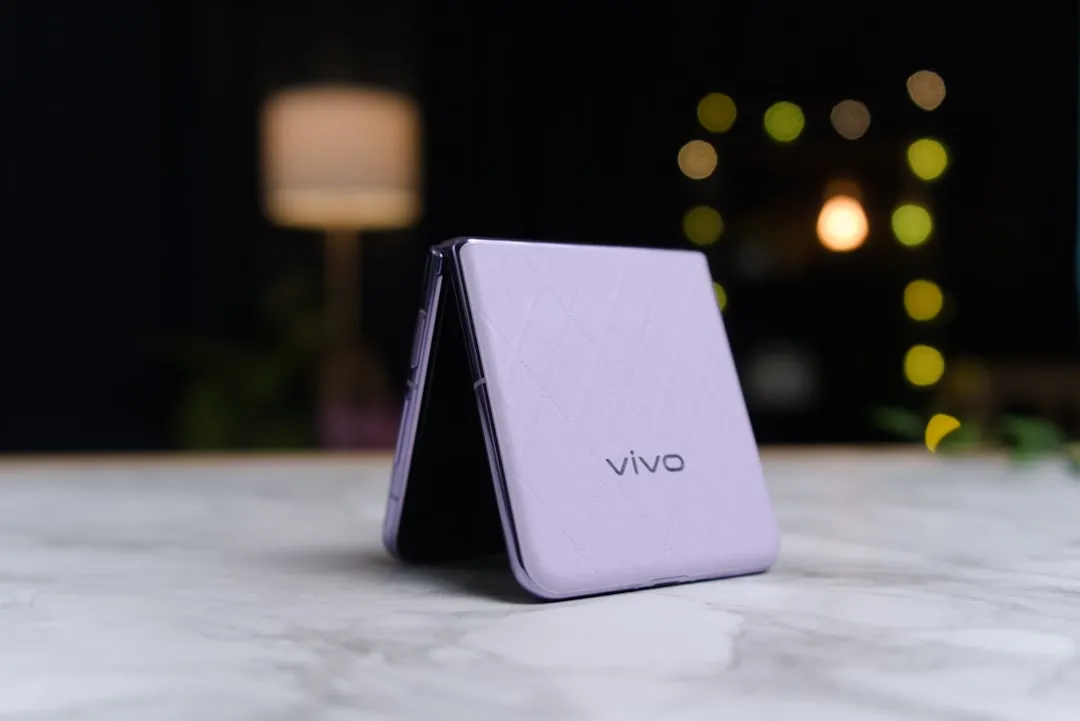
The smartphone camera wars have reached a fascinating new battleground, and it's all happening in the telephoto space. You know how shaky those long-distance shots can get on your phone? Well, vivo thinks they've cracked the code with their X300 Ultra, and honestly, the specs they're throwing around are pretty impressive.
Let's talk about what vivo has launched here. The X300 Ultra comes packed with a 200MP telephoto sensor – and yes, you read that right, 200 megapixels dedicated just to your zoom shots. That's a serious chunk of camera real estate. But here's where it gets really interesting: they're claiming something called "3° OIS" that supposedly delivers "gimbal-level stabilization."
Now, if you've ever used a physical gimbal for your video work, you know that's a bold claim. Gimbals are those handheld stabilizers that use motors and gyroscopes to keep your camera steady, and they're incredibly effective. The idea that a smartphone could replicate that level of stabilization in something as compact as a telephoto camera module? That would be genuinely impressive if it holds up in practice.
What Makes Telephoto Stabilization So Tricky?
Here's the thing about telephoto lenses – they're incredibly unforgiving when it comes to camera shake. When you're dealing with the equivalent of 85mm, 135mm, or even longer focal lengths on a smartphone, every tiny movement gets magnified. It's basic physics: the longer the focal length, the more pronounced any camera movement becomes in your final image.
Traditional optical image stabilization works by moving lens elements or the sensor itself to counteract hand movements. It's effective, but there are physical limits to how much compensation you can achieve in such a small space. The "3°" specification that vivo is touting refers to the degree of angular correction the OIS system can provide, which would represent a significant step up from typical smartphone stabilization systems that usually offer around 1-2 degrees of correction.
Think about it this way – when you're zoomed in taking a photo of something far away, even the slight tremor from pressing the shutter button can turn a crisp shot into a blurry mess. Now imagine trying to shoot video at those focal lengths while walking around. That's where advanced stabilization becomes absolutely critical.
PRO TIP: When shooting telephoto on any smartphone, try using the timer function or voice commands instead of physically tapping the shutter button. Even with excellent OIS, eliminating that tap-induced shake can make a noticeable difference in your shot quality.
The 200MP Question
That 200MP sensor is another interesting piece of the puzzle. Here's what we've learned from years of smartphone camera evolution: more megapixels don't automatically mean better photos, but they do offer specific advantages for telephoto applications. Take Samsung's journey with high-resolution sensors – their 108MP implementations showed us that pixel binning (combining multiple pixels into one for better light gathering) can actually improve image quality while maintaining detail flexibility.
With 200MP of resolution, the phone can potentially offer near-lossless or high-quality digital zoom via cropping beyond its optical capabilities. Think about it – if you're working with that much resolution, cropping into the image for additional zoom doesn't necessarily mean quality loss, at least not immediately.
The real question is how vivo is handling all that data. Processing 200MP images requires serious computational power, and doing it quickly enough for a smooth camera experience is no small feat. Plus, most people don't actually need 200MP files taking up space on their phones, so there's likely some intelligent processing happening to deliver the right balance of detail and file size.
How Does This Stack Up Against the Competition?
The premium smartphone camera space is incredibly competitive right now, and each major player has taken a different approach to telephoto excellence. Samsung's Galaxy S24 Ultra pushes a 200MP main sensor but pairs it with a 50MP telephoto that offers 5x optical zoom. Apple's iPhone 15 Pro Max focuses on computational photography magic with their 120mm equivalent telephoto, delivering consistent results through superior processing rather than pure resolution.
Google takes yet another route with the Pixel 8 Pro, leaning heavily on AI-enhanced zoom that can produce surprisingly clean results even at high magnification levels through computational techniques. Each approach has trade-offs – Samsung prioritizes resolution flexibility, Apple emphasizes processing consistency, and Google bets on AI enhancement.
What's particularly interesting about vivo's approach is the focus on stabilization specifically. While other manufacturers have been pushing features like improved night mode, computational photography tricks, or AI-enhanced processing, vivo seems to be betting that superior stabilization will be their differentiator. It's a smart approach – after all, the best processing in the world can't fix a fundamentally shaky image.
The Engineering Challenge
Building advanced OIS into a smartphone telephoto system isn't just about the technology – it's about physics and engineering constraints. Smartphones are getting thinner, not thicker, but effective stabilization systems need space to move lens elements or sensors. There's also power consumption to consider, battery life implications, and the heat generated by all that processing.
The "gimbal-level" claim is particularly intriguing from an engineering perspective because it suggests vivo might be using more sophisticated stabilization algorithms or hardware than we typically see in smartphones. True gimbal systems can compensate for much larger movements and provide stabilization across multiple axes simultaneously. They achieve this through larger motors, more sophisticated gyroscopic sensors, and importantly, much more physical space to work with.
For vivo to claim similar performance in a smartphone form factor, they'd need to overcome significant miniaturization challenges. This might involve advanced materials, more efficient motors, or potentially even new approaches to how the stabilization system is integrated with the lens assembly.
PRO TIP: When evaluating stabilization claims, look for real-world video samples rather than just specifications. Marketing numbers don't always translate to actual usability, especially when you're dealing with challenging shooting conditions.
What This Means for Mobile Photography
If the X300 Ultra delivers on its stabilization promises, it could genuinely change how we approach smartphone photography in challenging situations. Think about shooting at concerts where you need to reach over crowds, capturing wildlife where you can't get physically close, or documenting sports events from the stands – scenarios where telephoto capability matters but perfect stability isn't always possible.
The implications extend beyond still photography too. Video shooting at telephoto focal lengths has always been one of the most challenging aspects of smartphone videography. Even professional videographers struggle with telephoto stability, which is why cinema cameras often use expensive stabilization rigs for long lens work.
For content creators who rely on smartphones as primary shooting devices, improved telephoto stabilization could mean the difference between footage that's usable and footage that ends up in the trash. It's the kind of fundamental improvement that enables new creative possibilities rather than just incrementally improving existing ones.
The Bottom Line
Vivo's X300 Ultra represents an interesting bet on what smartphone users actually want from their cameras. While the industry has been pushing AI features and computational photography advances, vivo is focusing on solving a fundamental problem – keeping telephoto shots steady and sharp.
The specifications sound impressive on paper: 200MP of resolution paired with advanced stabilization technology that claims to rival dedicated camera equipment. But here's what I've learned from years of reviewing smartphone cameras: specs tell only part of the story.
The real test will be how these impressive-sounding specifications translate to actual performance in real-world conditions. Can the stabilization system actually deliver gimbal-like performance when you're shooting handheld video at full telephoto? Does that 200MP sensor produce meaningfully better results than lower-resolution alternatives? How does battery life hold up when processing all that image data?
These are the questions that can only be answered through extensive hands-on testing across various shooting scenarios. Until we can put the X300 Ultra through its paces in challenging real-world conditions, the impressive specifications remain promises rather than proven capabilities.
Still, the focus on advanced stabilization technology suggests vivo understands what separates good telephoto cameras from great ones, and that's an encouraging sign for anyone who's ever struggled with shaky zoom shots on their smartphone.






Comments
Be the first, drop a comment!