





Vivo X200 Pro: The Telephoto Revolution That's Redefining Mobile Photography
Vivo's latest flagship represents a fascinating shift in mobile photography strategy, pushing the boundaries of what we expect from smartphone cameras. The X200 Pro's global expansion signals the company's serious intent to compete in premium markets worldwide, but it's the impressive telephoto capabilities and professional video features that truly set this device apart from conventional flagship releases.
This isn't just another incremental camera upgrade—we're looking at a complete reimagining of mobile photography workflows. The focus on advanced telephoto reach, professional video features, and content creator-friendly capabilities suggests Vivo is targeting users who've traditionally needed to juggle multiple devices for their creative work. It's a bold move that makes you wonder if we're witnessing smartphones becoming serious tools for professional content creation.
Why advanced telephoto systems change everything
Here's where things get really interesting. Extended telephoto capabilities in smartphones represent a significant leap beyond typical mobile zoom ranges. Most flagship devices focus on moderate telephoto reach, but pushing these boundaries opens up entirely new creative possibilities. When you think about it, that's the difference between capturing a decent shot of a building across the street versus being able to photograph architectural details with serious precision.
Now, understanding the optical versus digital zoom implications becomes crucial here. True optical zoom maintains image quality without the degradation typically associated with digital enhancement, though the physics of fitting substantial telephoto systems into smartphone form factors presents fascinating engineering challenges. You're essentially cramming what would normally require considerable lens real estate into a space measured in millimeters rather than inches.
The practical implications extend far beyond simple magnification. Wildlife photography, sports coverage, and architectural detail work—traditionally requiring dedicated telephoto lenses—suddenly become more viable with devices that fit in your pocket. Imagine being at your kid's soccer game and actually being able to capture sharp, detailed shots from the sidelines without looking like you brought professional camera equipment to a youth sports event.
However, here's the catch: stabilization becomes exponentially more critical at extended telephoto ranges. Even minor hand movements translate to significant image shake when you're working at longer focal lengths. It's like trying to thread a needle while riding in a car—every tiny vibration gets magnified dramatically. This means the stabilization system has to be absolutely top-notch, or all that telephoto reach becomes practically useless for handheld shooting.
Professional accessories: when smartphones meet serious workflows
The integration of smartphones with professional accessory ecosystems represents something I find particularly compelling—it's a strategic recognition of how mobile devices increasingly serve professional applications. Professional cage systems have become standard equipment for serious video work, offering mounting points for external monitors, microphones, and lighting equipment. If you've ever watched behind-the-scenes content from modern productions, you've probably seen these rigs in action.
This approach suggests manufacturers understand that flagship smartphones now compete directly with mirrorless cameras in many scenarios. The ergonomic implications are substantial here. While smartphones excel in portability, extended shooting sessions benefit enormously from proper grip systems and accessory mounting options. Anyone who's tried to hold a phone steady for a 20-minute interview knows exactly what I'm talking about—your arms start feeling like overcooked pasta.
What's particularly smart about this direction is how it addresses workflow considerations that extend to heat management and power delivery. Professional video recording generates significant thermal loads (your phone gets hot, basically), and proper accessory integration can potentially provide both additional heat dissipation and external power options for extended shooting sessions. It's solving real problems that content creators face every day.
Advanced video features: bridging mobile and cinema
Now we're getting into the technical territory that really excites me. Modern smartphones are increasingly incorporating professional video capabilities that position them squarely in serious content creation territory. Features like Log recording preserve maximum dynamic range and color information, which is essential for professional color grading workflows. Think of it as shooting in RAW for video—you're capturing all the data possible so you can make decisions about how it looks later.
Professional color management systems represent another significant step toward cinema standards. These systems ensure consistent color reproduction across different devices and workflows—crucial for professional productions. Without getting too deep into the technical weeds, they're basically universal languages that different cameras and editing systems can speak fluently.
The practical impact means footage shot on advanced smartphones can integrate seamlessly into professional post-production pipelines. Content creators no longer need separate cameras for different shooting scenarios, potentially streamlining equipment requirements and workflow complexity. You could literally shoot your establishing shots on one camera and your detail work on a smartphone, and they'd match perfectly in post.
How this stacks against the competition
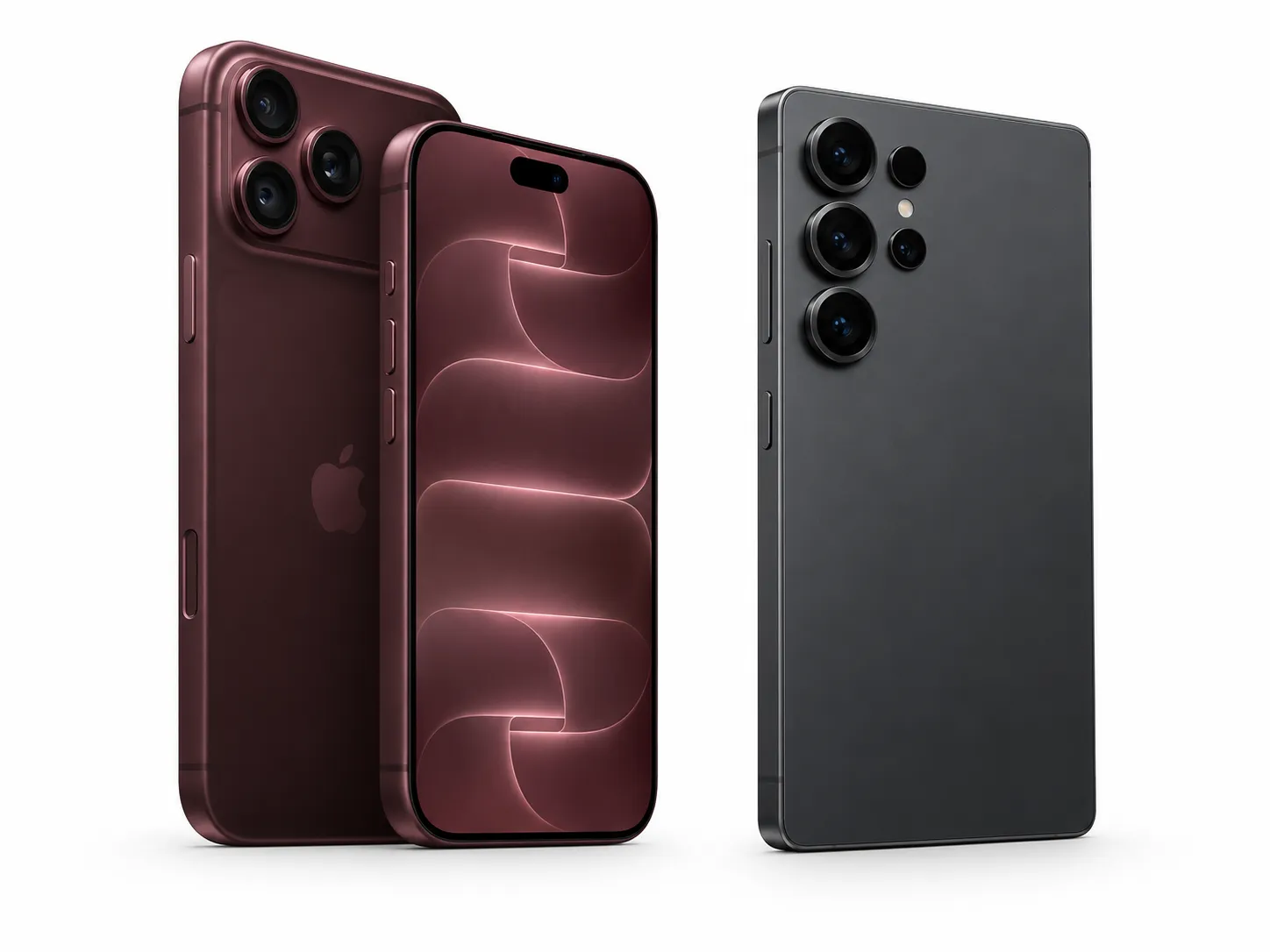
Let's break down how this approach compares to what's already out there. Apple's iPhone Pro series emphasizes computational photography and seamless ecosystem integration—they're all about making everything work together beautifully and intelligently. Samsung's Galaxy Ultra line focuses on versatile zoom ranges and S Pen functionality, appealing to users who want a Swiss Army knife approach to their smartphone.
Google's Pixel approach prioritizes AI-enhanced photography and consistent results across varying conditions. They're the masters of "point and shoot and get great results without thinking about it." Vivo's strategy appears more specialized, targeting users who prioritize advanced telephoto capabilities and professional video features over general-purpose optimization.
What's fascinating is how the competitive landscape becomes particularly interesting when considering dedicated camera comparisons. Mirrorless cameras still maintain advantages in sensor size, lens selection, and battery life, but the convenience and computational capabilities of smartphones continue closing these gaps. We're reaching a point where the question isn't "which is better" but rather "which is better for what I specifically want to do."
The telephoto capabilities discussion becomes especially relevant when looking at how different manufacturers approach this challenge. Extended zoom ranges require significant engineering compromises, and each company's solution reflects their broader philosophy about mobile photography.
What global smartphone expansion really means
Here's something worth considering: when manufacturers push into global markets with specialized flagship devices, it represents more than simple geographic expansion—it's a direct challenge to established premium players. This timing coincides with increasing consumer interest in mobile photography and video creation, potentially creating opportunities for differentiated approaches.
The premium Android market has traditionally been dominated by Samsung and Google in Western markets, with Apple commanding significant mindshare among content creators. Alternative strategies focused on offering capabilities that neither traditional leaders currently provide represent classic market disruption tactics—find an uncontested space and make the competition irrelevant.
Market dynamics suggest consumers increasingly value specialized capabilities over general-purpose optimization. Focus on specific strengths like extreme telephoto reach and professional video features could resonate with user segments willing to prioritize these capabilities over broader ecosystem integration. Sometimes being the best at one thing matters more than being pretty good at everything.
The bigger picture for mobile photography's future
Bottom line: This approach suggests we're entering an era of specialized flagship smartphones rather than one-size-fits-all solutions. The integration of professional video features, advanced telephoto capabilities, and accessory ecosystems points toward smartphones becoming modular platforms for content creation. It's like how gaming PCs evolved from general-purpose machines into specialized rigs optimized for specific tasks.
This evolution has significant implications for both consumers and the broader camera industry. As smartphones achieve parity with dedicated cameras in specific use cases, the value proposition of carrying separate devices becomes increasingly questionable for many users. Why lug around a telephoto lens when your phone can handle the job effectively?
The success of specialized strategies will likely influence how other manufacturers approach flagship development, potentially leading to more devices targeting specific creative workflows rather than attempting to excel at everything simultaneously. We might be looking at a future where you choose your smartphone the same way you'd choose a camera lens—based on what specific type of work you do most often. And honestly, that future sounds pretty exciting to me.



Comments
Be the first, drop a comment!