



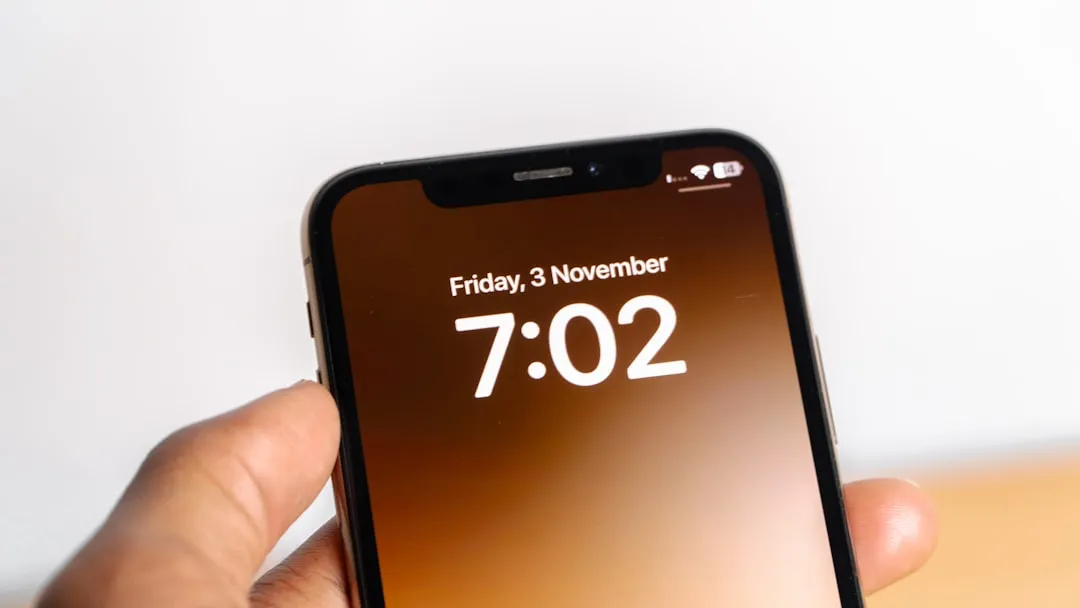
When the Trump Organization first unveiled their golden smartphone back in June, they made some pretty bold promises. The company announced that their T1 device announced the T1 would be 'designed and built in the United States' (press release, 2025-06-16), with an anticipated August launch date that came and went without a single phone reaching customers (NBC News). The Android device, featuring a US flag on the back and priced at $499, was positioned as the flagship product for Trump Mobile's entry into the wireless market (AOL). Fast-forward to today, and we're looking at a very different reality—one that raises serious questions about brand credibility in the tech space.
What happened to the "Made in USA" promise?
Here's where things get interesting from a manufacturing perspective. Industry experts were skeptical from day one about the feasibility of producing a fully American-made smartphone on such a tight timeline (Fortune). Todd Weaver, CEO of Purism, pointed out that his company spent six years developing a US supply chain for their Liberty Phone, which still includes components from Asia, Canada, and Europe (AOL). The reality check came quickly—by late June, Trump Mobile had quietly removed all "Made in the USA" language from their website, replacing it with vaguer terms like "American-Proud Design" (CNBC).
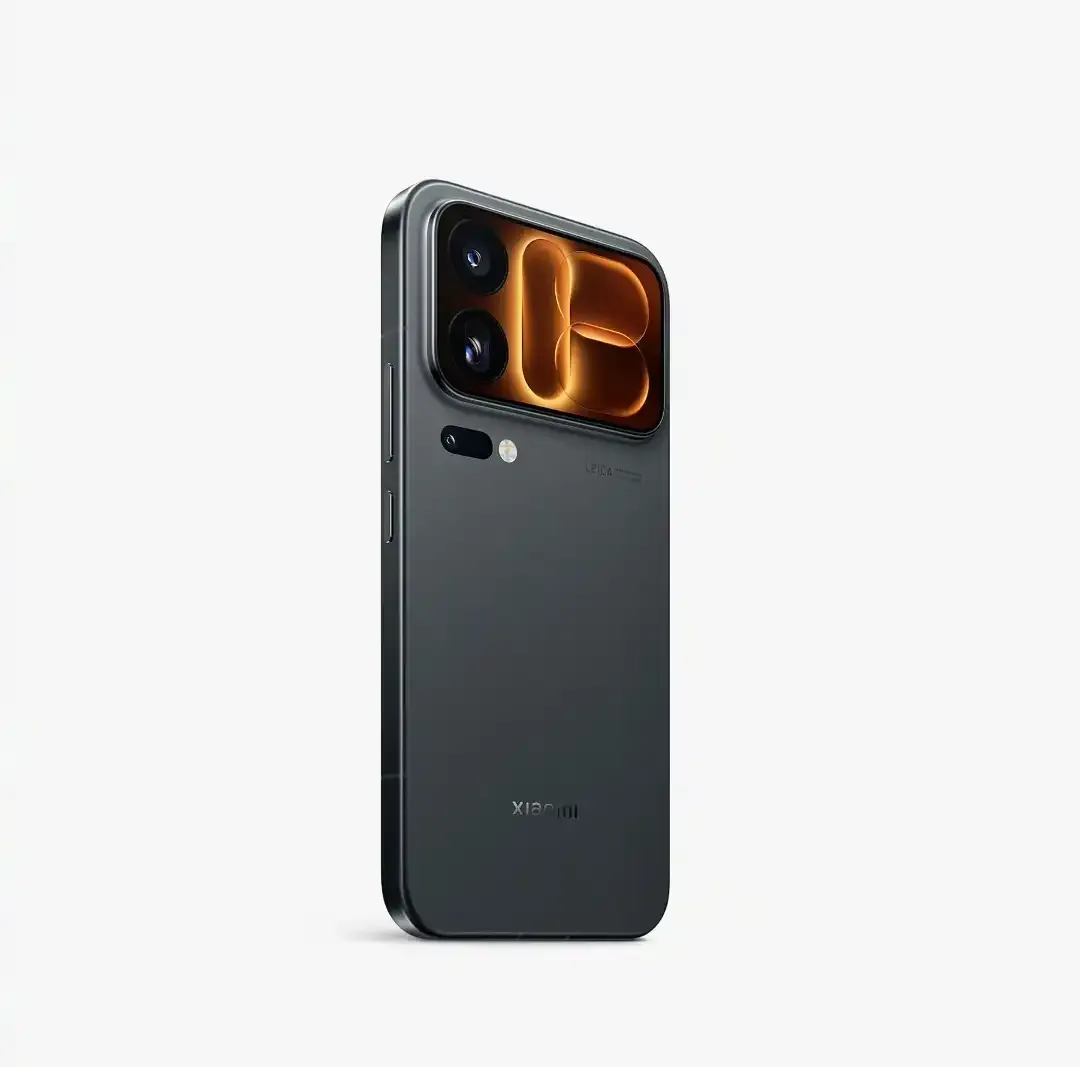
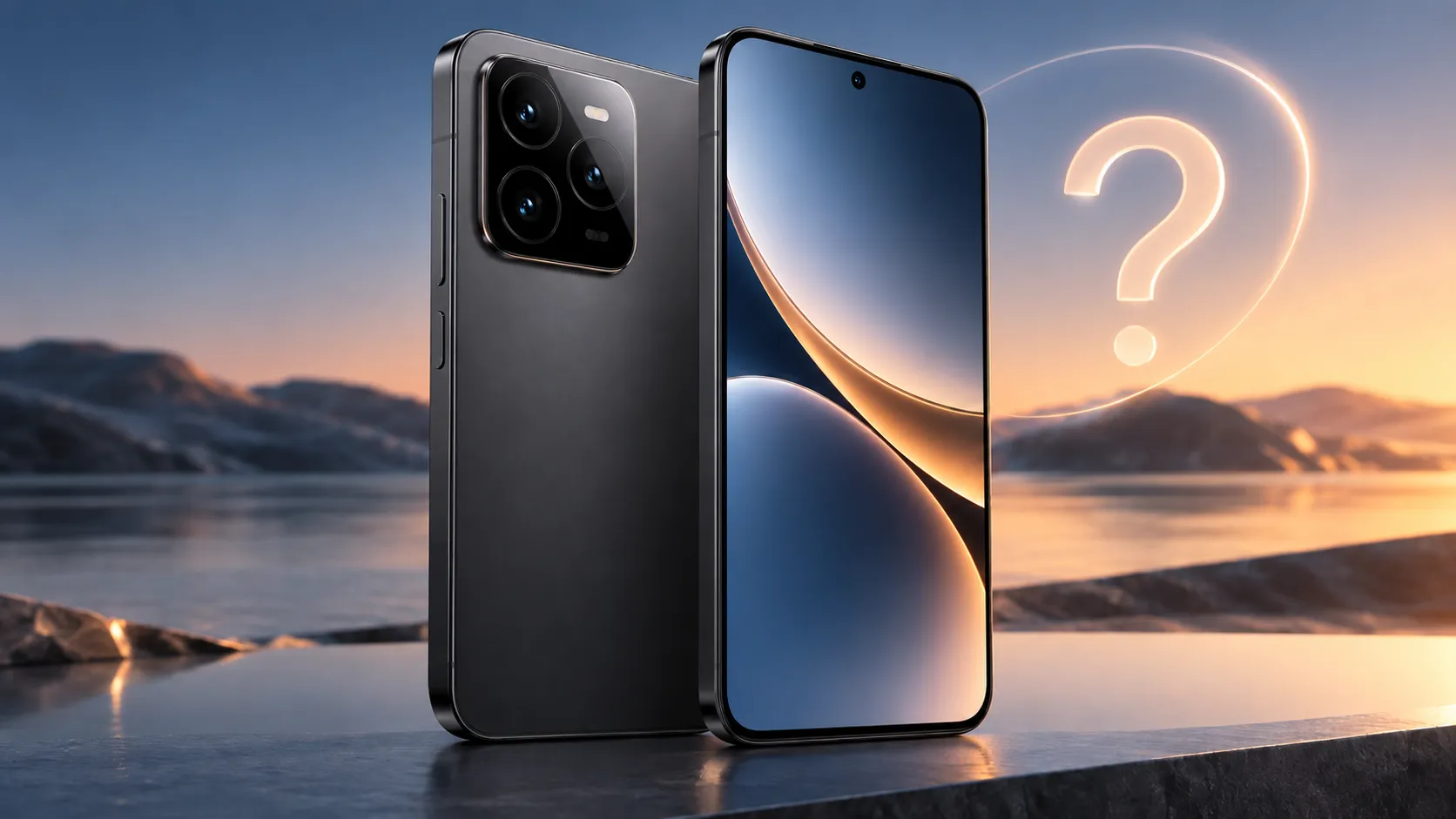
The technical specifications also underwent some curious changes during this period. The originally advertised 6.8-inch AMOLED screen was downsized to 6.25 inches, and references to 12GB of RAM mysteriously disappeared entirely (The Verge). Even more telling, promotional images that initially showed an iPhone-like three-camera setup were later replaced with what appeared to be a modified render of a Samsung Galaxy S25 Ultra (NBC News).
This pivot highlights a fundamental challenge in modern electronics: building a truly American-made smartphone requires massive infrastructure investment that can't be created overnight. Eric Trump's comment that "eventually all the phones can be built in the United States" effectively confirmed what industry experts suspected—the original claims were aspirational rather than operational (Fortune).
The endless delay cycle continues
Let's break down the timeline of broken promises. NBC News placed an order in August, paying the required $100 deposit, but still hasn't received their device months later (NBC News). Customer service representatives have blamed everything from government shutdowns to the complexities of US manufacturing for the ongoing delays (AOL). The launch date has been pushed back multiple times, with current estimates pointing to "later this year"—though the company continues collecting those $100 deposits (PCMag).
What's particularly concerning is how the company has handled communication with customers. The Trump Mobile website scrubbed any mention of specific launch dates while maintaining the pre-order system (NBC News). Even their wireless service appears to be struggling—tech reviewer Allison Johnson reported being unable to obtain a SIM card after several weeks of trying (AOL).
The excuses being offered—particularly the claim that "government shutdowns" are delaying smartphone production—suggest either a fundamental misunderstanding of how consumer electronics manufacturing works or a deliberate attempt to deflect accountability for operational failures.
The refurbished phone pivot
Bottom line: while customers wait for a phone that may never materialize, Trump Mobile has quietly shifted to selling refurbished devices from other manufacturers. The irony here is hard to miss—they're now offering refurbished iPhones (primarily made in China) and Samsung devices (from South Korea) at significant markups compared to other retailers (AOL).
The pricing tells the whole story. A refurbished iPhone 14 costs $489 through Trump Mobile, compared to $305 on Amazon or $327 at Best Buy (AOL). Similarly, their Samsung Galaxy S23 is priced at $369 versus $249-259 elsewhere, and the Galaxy S24 goes for $459 compared to $389.99 from other sources (AOL). These aren't just minor price differences—we're talking about markups of $150-225 for devices that are several years old.
This business model represents a complete departure from the original vision. Instead of revolutionary American manufacturing and competitive pricing, customers are getting foreign-made refurbished phones at premium prices—exactly the opposite of what was initially promised.
What this means for tech brand trust
This whole situation highlights something crucial about brand credibility in the technology sector. When you promise American manufacturing, specific launch dates, and competitive pricing, customers expect delivery—not endless delays and pivot strategies. The Trump Mobile case study shows how quickly consumer trust can erode when marketing promises don't align with operational realities.
PRO TIP: When evaluating any new tech brand, especially those making bold manufacturing claims, look for concrete details about supply chains, manufacturing partners, and realistic timelines. Vague language like "brought to life in the USA" should raise immediate red flags.
The wireless service component adds another layer of complexity. Trump Mobile's "47 Plan" was marketed at $47.45 monthly with promises of telehealth services and military benefits (AOL). However, industry analysts noted that this pricing is actually higher than comparable plans from established carriers (Fortune), making the value proposition even more questionable.
Beyond the immediate consumer impact, this situation demonstrates how political branding can sometimes override sound business practices in the tech industry. When companies prioritize marketing messages over operational capabilities, the disconnect becomes inevitable—and highly visible to consumers who are paying deposits for products that don't exist.
Where does this leave consumers?
The Trump Mobile saga serves as a perfect case study in how not to launch a tech product. From unrealistic manufacturing claims to missed deadlines and questionable pricing strategies, it's a masterclass in everything that can go wrong when marketing ambitions exceed operational capabilities. For consumers who put down deposits, the lesson is clear: extraordinary claims require extraordinary evidence, especially in the highly competitive smartphone market.
What's particularly troubling is how the company continues accepting new deposits while existing customers remain in limbo (NBC News). This approach raises serious questions about business practices and customer service standards that extend far beyond just product delays. As we've seen with other high-profile tech launches, transparency and realistic expectations are crucial for maintaining consumer confidence—something Trump Mobile appears to have overlooked entirely.
For the tech industry as a whole, this situation serves as a reminder that consumer electronics companies succeed through operational excellence, not marketing rhetoric. Whether you're building smartphones in America, China, or anywhere else, customers ultimately care about getting the product they paid for, when they were promised it would arrive, at the price they agreed to pay. When any of those elements breaks down, brand credibility follows—and in today's connected world, that erosion happens faster and more publicly than ever before.





Comments
Be the first, drop a comment!