



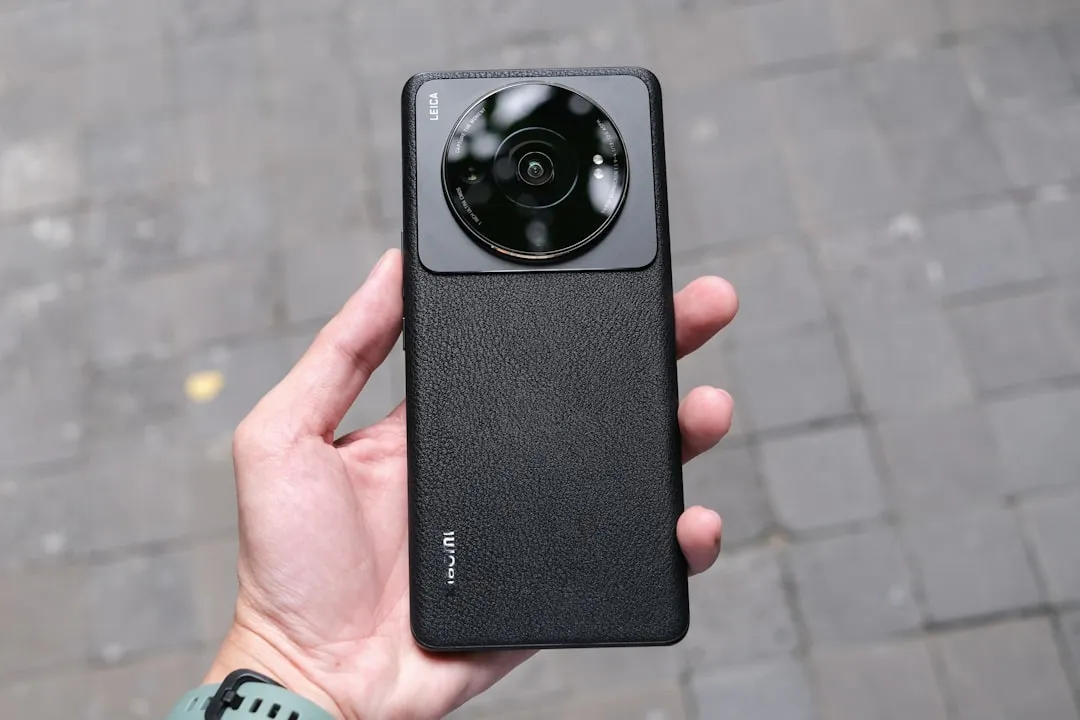
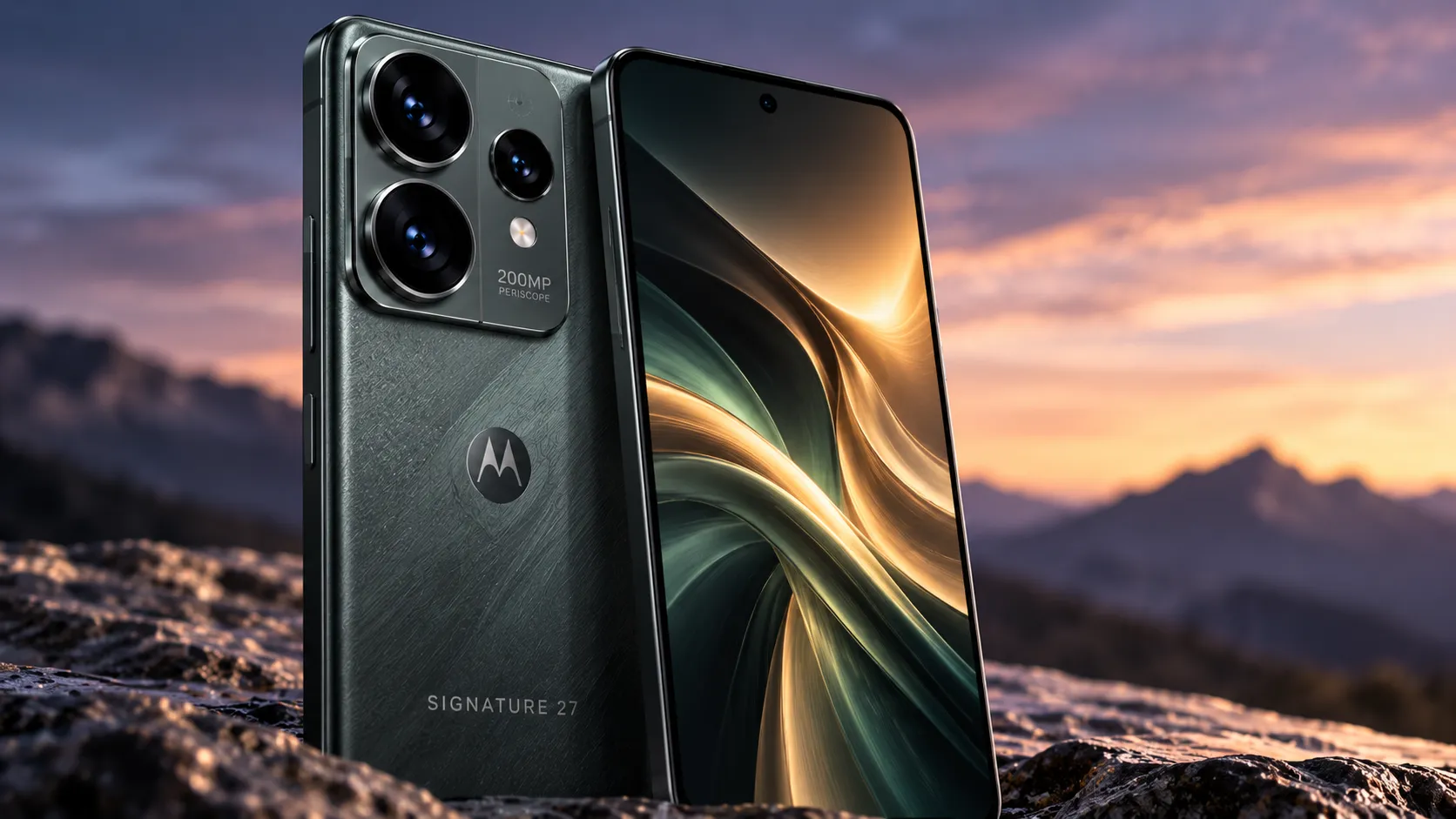
The smartphone camera arms race just took a wild turn. A March 2026 leak reported by Android Authority have highlighted the potential for Android flagships to incorporate multiple high-resolution sensors, possibly including triple 200-megapixel configurations. While these developments remain speculative, they raise fascinating questions about where mobile photography is headed and whether more megapixels always mean better photos.
This potential camera architecture would represent a significant departure from current flagship strategies, where manufacturers typically balance one high-resolution main sensor with specialized ultra-wide and telephoto lenses. The implications go far beyond just bigger numbers on a spec sheet—we're talking about potential changes in image processing, storage requirements, and the fundamental approach to computational photography.
What three 200MP sensors could actually deliver
The megapixel count alone tells only part of the story. Recent flagship phones such as the Galaxy S24 Ultra and iPhone 15 Pro Max achieve exceptional image quality through a combination of sensor size, pixel binning technology, and sophisticated image processing rather than raw megapixel count. A reportedly tested triple-200MP setup would likely rely heavily on computational photography to manage the massive amount of data each sensor captures.
Sensor physics becomes crucial here—cramming 200 million pixels onto a smartphone-sized sensor without compromising individual pixel performance presents significant engineering challenges. Smaller pixels typically capture less light, potentially leading to increased noise in low-light conditions unless compensated by advanced processing algorithms. However, modern pixel binning technology has proven effective at mitigating these limitations in current high-resolution sensors.
The potential advantages could include unprecedented detail in daylight photography, extensive cropping capabilities without quality loss, and the ability to extract multiple focal lengths from a single sensor through digital zoom. More importantly, triple high-resolution sensors could enable advanced computational photography techniques like superior depth mapping for portrait effects, enhanced HDR processing across all focal lengths, and the ability to capture multiple exposures simultaneously for improved dynamic range.
This abundance of image data could also revolutionize post-processing capabilities, allowing users to adjust focus points, create professional-quality depth effects, and even generate different aspect ratios from the same shot—all while maintaining exceptional detail quality.
The technical challenges and practical solutions
Heat generation and power consumption represent major hurdles for any device processing data from three 200MP sensors simultaneously. Current flagship phones already implement thermal throttling during extended camera use, and tripling the sensor resolution amplifies these thermal management challenges. However, recent advances in mobile chipset efficiency and thermal design suggest these obstacles aren't insurmountable.
Storage implications deserve careful consideration. RAW files from 200MP sensors could easily exceed 100MB each, making storage management critical for frequent shooters. Even with advanced compression algorithms, the storage requirements would likely exceed current user expectations. Smart processing could address this through selective high-resolution capture—saving full resolution only when needed while using pixel-binned images for standard photography.
Processing speed presents another engineering challenge. Current flagship processors handle single high-resolution sensors effectively, but supporting or potentially processing data from three 200MP sensors would push mobile chipsets toward their limits. The solution likely lies in smarter processing workflows—capturing at full resolution but processing selectively based on the intended use case and available system resources.
Battery life optimization becomes essential in this scenario. Rather than constantly running all sensors at maximum resolution, intelligent camera systems could dynamically adjust resolution based on shooting conditions, user intent, and available power reserves.
How this compares to proven camera strategies
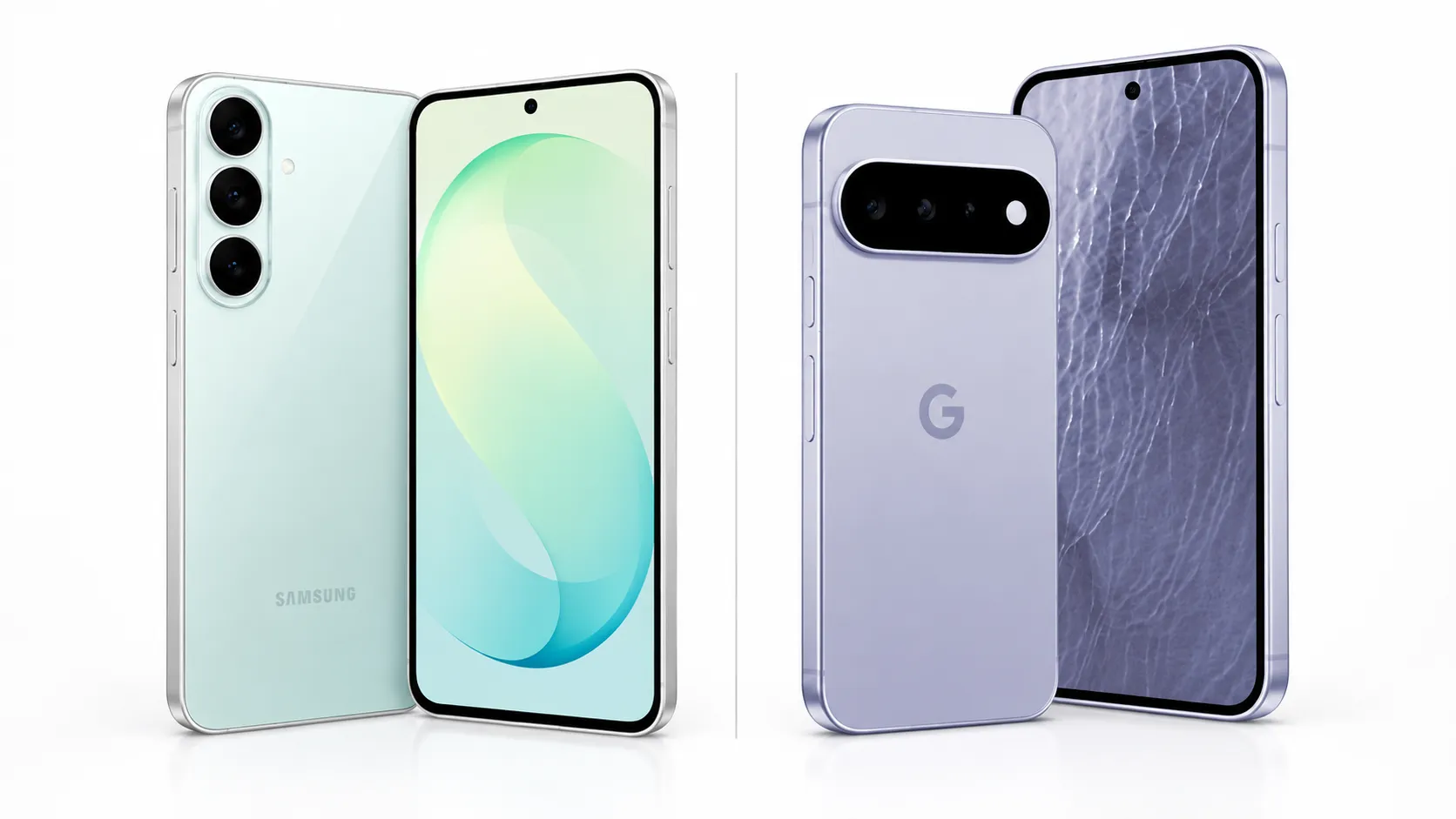
Today's flagship phones achieve excellent results through strategic sensor combinations rather than pure megapixel counts. The iPhone 15 Pro Max uses a 48MP main sensor with sophisticated pixel binning, while Samsung's Galaxy S24 Ultra combines a 200MP main sensor with specialized ultra-wide and telephoto lenses of different resolutions, each optimized for specific use cases.
This potential triple-200MP approach represents a fundamentally different philosophy—prioritizing maximum resolution consistency across all lenses rather than optimizing each sensor for specific scenarios. The trade-offs become apparent when considering that specialized sensors often outperform generalized high-resolution sensors in their intended use cases.
Current computational photography advances demonstrate that image quality improvements come more from better algorithms than increased sensor resolution alone. Night mode, Portrait mode, and advanced HDR processing have contributed more significantly to smartphone photography evolution than megapixel increases. The key question becomes whether the versatility benefits of triple high-resolution sensors justify potential compromises in specialized performance areas.
The successful integration of such a system would require revolutionary advances in image processing algorithms, potentially creating new hybrid approaches that combine the benefits of specialized optics with the flexibility of high-resolution capture across all focal lengths.
What this means for mobile photography evolution
The potential introduction of triple-200MP cameras could signal a shift toward treating smartphones as comprehensive imaging systems rather than simplified point-and-shoot devices. This approach might particularly appeal to content creators who need maximum flexibility and detail retention across different focal lengths and shooting scenarios.
The success of such systems depends entirely on execution quality rather than raw specifications. The most successful smartphone cameras balance resolution, processing capabilities, and user experience rather than maximizing individual specifications. Implementation would need to address thermal management, processing efficiency, and storage optimization while maintaining the seamless user experience that defines smartphone photography.
This technological direction could democratize certain professional photography capabilities, enabling users to achieve results that previously required multiple dedicated cameras. However, it could also create new complexity that conflicts with the simplicity that makes smartphone photography appealing to mainstream users.
The broader implications extend beyond hardware to software innovation. Triple high-resolution sensors could enable entirely new photography modes, AI-powered scene optimization across multiple perspectives, and post-capture editing capabilities that blur the line between smartphone and professional camera systems.
The bottom line on megapixel maximization
This potential triple-200MP camera development represents either a significant leap forward in mobile photography capability or an illuminating experiment in pushing smartphone hardware boundaries. The true measure won't be megapixel counts, but how effectively manufacturers balance massive sensor arrays with processing efficiency, thermal management, and intuitive user experiences.
Whether this approach succeeds in practical applications or becomes a cautionary tale about specification-focused development, it signals continued innovation in mobile photography technology. The smartphone camera evolution has consistently delivered solutions to seemingly impossible engineering challenges, from computational photography to multi-sensor fusion.
For photography enthusiasts and technology observers, these developments highlight the ongoing tension between maximizing capability and maintaining usability. The manufacturers who succeed will be those who can harness extreme hardware capabilities while preserving the effortless user experience that makes smartphone photography universally appealing.







Comments
Be the first, drop a comment!