




The smartphone industry stands at a potential turning point, with forecasts suggesting we could witness the could lead to a significant sales decline. This isn't just another quarterly dip or seasonal adjustment—we're looking at fundamental supply chain disruptions that could reshape how manufacturers approach device production and pricing strategies.
The convergence of AI computing demands and traditional mobile hardware needs has created an unprecedented competition for critical components. Memory manufacturers, who once prioritized smartphone orders, are now facing difficult allocation decisions as data centers and AI infrastructure projects offer higher margins and longer-term contracts.
This shift represents more than a temporary supply hiccup. It signals a broader transformation in the tech ecosystem, where artificial intelligence workloads are beginning to influence consumer device availability and pricing. The ripple effects could extend well beyond this year, potentially altering upgrade cycles and forcing both Android and iPhone manufacturers to reconsider their product roadmaps and launch strategies.
Why RAM shortages are hitting smartphones hardest
Here's what's really happening behind the scenes: the memory shortage affecting smartphones stems from a fundamental shift in how semiconductor manufacturers prioritize their production capacity. AI and data center applications now command premium pricing for high-bandwidth memory, creating intense competition for the same manufacturing resources that smartphone makers depend on.
Modern smartphones require increasingly sophisticated memory configurations to support advanced features like computational photography, on-device AI processing, and seamless multitasking. The economic reality, however, creates a clear winner in this competition. Enterprise AI deployments willingly pay premium rates—often 40-60% above consumer pricing—for high-performance DRAM and NAND flash memory that shares compete for overlapping manufacturing capacity despite differing specifications with smartphone components.
The production constraints run deeper than simple capacity issues. Memory manufacturers operate fabrication facilities that require 12-16 week lead times for any significant production adjustments. Retooling fabrication lines or shifting capacity allocation between consumer and enterprise products demands substantial capital investment and months of planning. This creates a cascade effect: even if smartphone demand unexpectedly surges, manufacturers can't pivot quickly without jeopardizing their higher-margin enterprise contracts.
Supply chain analysts describe this as a strategic realignment of the entire memory industry toward data center applications. Companies like Samsung and SK Hynix are restructuring their product mix to prioritize server-grade memory modules, high-capacity SSDs, and specialized AI accelerator memory. The shift affects not just availability but also development priorities, with fewer engineering resources dedicated to mobile-optimized memory solutions.
What this means for your next phone upgrade
Let's break down how these supply chain disruptions will directly impact your smartphone buying decisions over the next 12-18 months. The most immediate effect involves release schedules: manufacturers are extending development cycles and pushing back launch dates to align with component availability rather than traditional annual refreshes.
Premium flagship devices face the biggest disruption since they typically incorporate cutting-edge memory specifications—the same high-performance modules now prioritized for AI applications. This creates an interesting opportunity for mid-range smartphones, which often use previous-generation memory technologies that aren't competing directly with enterprise demand.
Pricing strategies are shifting in response to these constraints. Rather than absorbing increased memory costs, manufacturers are implementing tiered approaches: base models with reduced storage options, premium variants with significantly higher prices for advanced memory configurations, and strategic partnerships that secure component access at fixed costs.
For consumers, this translates to more complex upgrade decisions. Current-generation smartphones may hold their value longer as new models become scarce or expensive. If you typically upgrade annually, this cycle might favor extending your current device's lifespan. Conversely, if you've been delaying an upgrade, securing a current-model device could provide better value than waiting for next-generation releases that may offer fewer storage options or carry premium pricing.
PRO TIP: Consider your actual storage and performance needs carefully. Many users can achieve excellent performance with 8GB RAM and 256GB storage—configurations that remain more available and affordable than cutting-edge specifications.
How manufacturers are adapting their strategies
The memory shortage has triggered strategic pivots across the smartphone industry, with companies implementing dramatically different approaches to secure component supplies and maintain market position.
Samsung leverages its unique position as both a smartphone manufacturer and memory producer, securing internal allocation for Galaxy devices while potentially constraining competitors' access to advanced memory modules. Apple's financial strength enables long-term contracts at premium pricing, essentially pre-purchasing memory allocation months in advance to guarantee iPhone production schedules.
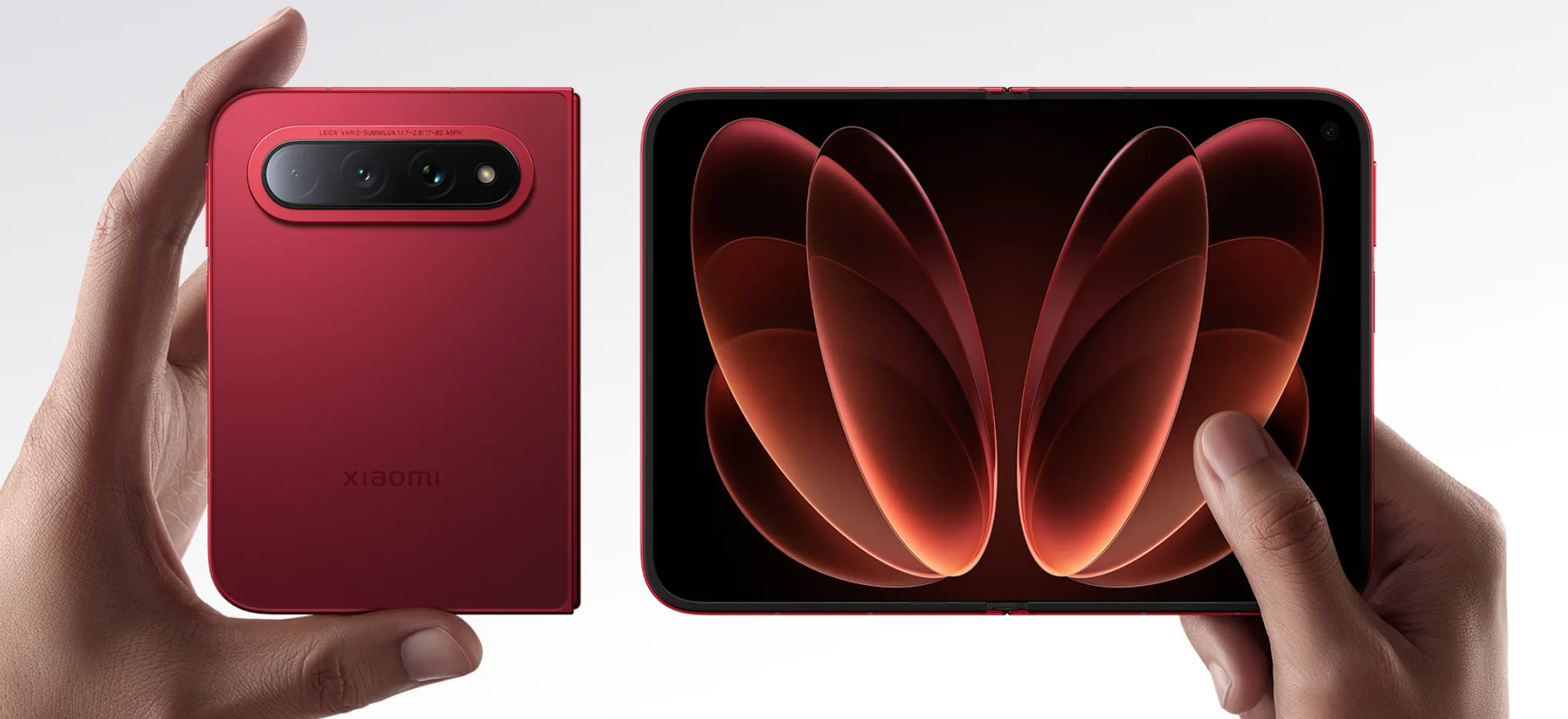
Chinese manufacturers like Xiaomi and OnePlus are exploring alternative memory suppliers and configurations, including partnerships with emerging memory companies and optimization of software to extract better performance from available components. This has sparked renewed interest in memory compression technologies, more efficient cache management, and hardware architectures designed to minimize memory bandwidth requirements.
Manufacturing schedules now revolve around component availability rather than market timing or competitive positioning. Product launches that historically aligned with back-to-school seasons or holiday shopping periods are being restructured around memory allocation schedules. Some companies are implementing flexible production models that can shift between different device configurations based on component supply fluctuations.
The competitive landscape itself is evolving as companies with stronger supplier relationships or better financial positions secure preferential component access. These advantages may persist well beyond the current shortage, potentially reshaping market dynamics and brand positioning in lasting ways.
The broader implications for the tech industry
This smartphone situation represents the visible tip of a much larger technological shift affecting the entire consumer electronics ecosystem. The prioritization of AI infrastructure over consumer devices signals where the industry identifies its highest-value growth opportunities and most sustainable profit margins.
Tablets, gaming laptops, and high-performance ultrabooks face similar memory allocation challenges since they compete for the same high-bandwidth DRAM and fast NAND storage that AI applications demand. Graphics cards, gaming consoles, and even smart home devices with local processing capabilities are encountering component constraints that trace back to this fundamental resource reallocation.
Innovation cycles across multiple product categories may slow as companies focus on optimizing existing technologies rather than developing memory-intensive new features. This could actually benefit consumers by extending product lifecycles, reducing upgrade pressure, and shifting competitive advantages toward software optimization and user experience improvements rather than pure specification increases.
The interconnected nature of modern supply chains means decisions made in AI development labs directly influence consumer product availability and pricing. This interdependency requires technology companies to develop more sophisticated forecasting models that account for cross-industry resource competition—a planning complexity that didn't exist when consumer electronics dominated semiconductor demand.
What comes next for smartphone innovation
The current crisis is accelerating innovation in areas that may ultimately benefit consumers more than traditional specification improvements. Memory efficiency technologies, compression algorithms, and architectural optimizations that maximize performance with available components are receiving unprecedented development investment.
Software-based solutions are gaining prominence as hardware specifications become constrained. Advanced caching systems, predictive pre-loading algorithms, and more efficient app management could deliver performance improvements that rival hardware upgrades. This shift toward optimization over raw power may result in more responsive devices that consume less battery and generate less heat.
Consumer expectations are already beginning to adapt as manufacturers communicate the trade-offs between cutting-edge specifications and device availability or pricing. This educational process may foster greater appreciation for incremental improvements and sustainable upgrade cycles, fundamentally changing how success gets measured in the smartphone market.
Bottom line: resolving this shortage depends on memory manufacturers expanding capacity and AI demand stabilizing at predictable levels. However, the strategic relationships and competitive dynamics emerging during this period will likely influence smartphone development long after component supplies normalize.
What we're witnessing may ultimately prove beneficial for both the industry and consumers. The forced focus on efficiency and optimization could lead to more thoughtful device development that prioritizes user experience over specification sheet marketing. While the immediate disruption feels challenging, it might establish more sustainable innovation patterns that don't rely solely on component upgrades to drive sales.







Comments
Be the first, drop a comment!