




You're about to get hit with sticker shock at the smartphone store, and it's happening faster than most people realize. The industry is bracing for what could be the most significant price disruption we've seen in years, driven by a perfect storm of AI demand and memory shortages that's fundamentally reshaping how phones get made and priced.
Here's what's happening: memory component prices have already jumped between 40-50% in recent quarters, and this isn't some temporary blip. AI data centers are consuming massive quantities of DRAM and storage components, creating supply bottlenecks that directly impact smartphone production costs. The numbers are pretty stark when you look at them—industry analysts are projecting average smartphone prices will rise 6.9% in 2026, nearly double what they were forecasting just months ago.
What makes this particularly challenging is that unlike temporary supply disruptions, this reallocation is driving structural changes in how memory gets priced and allocated—potentially permanently altering smartphone economics. This represents a fundamental reallocation of manufacturing resources away from consumer electronics toward AI infrastructure, with effects already cascading through the entire mobile ecosystem.
The AI memory crunch: why your next phone costs more
The root of this pricing crisis lies in an unprecedented bidding war for memory components, where two incompatible economic models are colliding head-on. AI data centers require specialized high-bandwidth memory components, often with capacities reaching 200 gigabytes compared to 16 gigabytes in typical consumer devices. Think about that scale difference for a moment—we're talking about AI systems that need more than 12 times the memory capacity of your laptop, and they're willing to pay premium prices to get it.
Major memory manufacturers like Micron are reallocating production capacity away from consumer markets to focus on AI clientele, which means less supply available for smartphone makers. This isn't just about higher demand creating natural price increases—it represents a fundamental shift where AI companies operate on infrastructure budgets while consumer electronics depend on razor-thin margins. Reports say Samsung raised prices for certain memory chips by as much as ~60% versus September (per Reuters/industry reporting), reflecting tight supply for server/advanced memory, demonstrating how quickly market dynamics shift when completely different industries compete for identical resources.
The economics create an impossible situation for smartphone manufacturers. AI companies can outbid consumer electronics manufacturers for limited memory supplies, establishing a pricing dynamic where data center operators building massive AI infrastructure with essentially unlimited budgets leave consumer electronics manufacturers scrambling for whatever memory supply remains available—at whatever price they're asked to pay.
Which phones will hit your wallet hardest?
Not all smartphones are feeling this pressure equally, and understanding the differences could save you significant money on your next purchase. The impact varies dramatically based on price segment, with budget devices getting hit the hardest due to fundamental differences in manufacturing economics.
Budget smartphones under $200 are experiencing the most dramatic cost increases, with bill of materials rising 20-30% since early 2025. This makes sense when you think about it—memory represents a much larger percentage of total manufacturing costs for budget devices, but more critically, these manufacturers lack the supplier negotiating power and brand premium that allows them to absorb or redistribute costs across product lines.
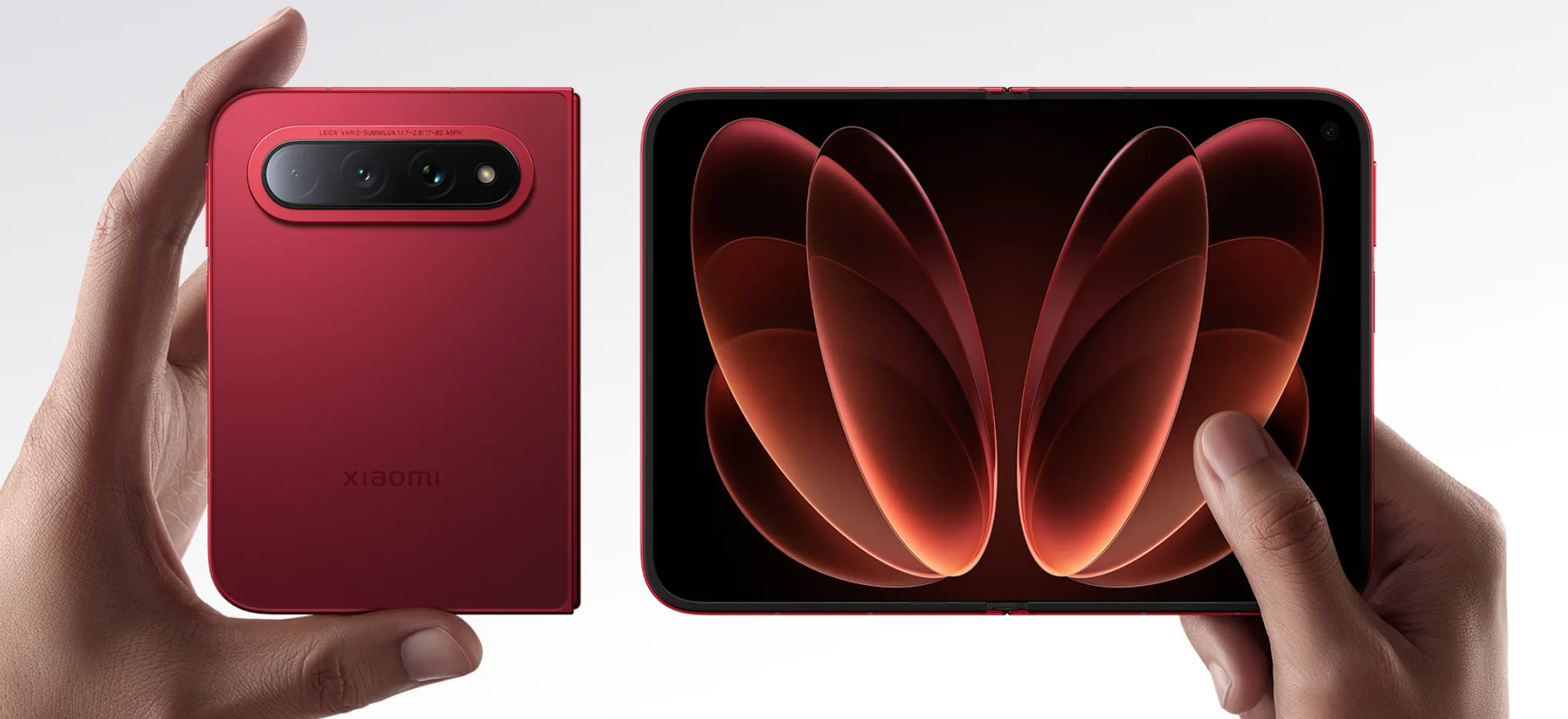
Mid-range and premium devices face more manageable 10-15% manufacturing cost increases, though "manageable" is relative when you're talking about phones that already cost $800 or more. These manufacturers have different strategies for handling cost pressures, including better supplier relationships and ability to spread increases across multiple product lines. The price increases are already showing up in specific models, with the upcoming Xiaomi 17 Ultra expected to cost 10% more than its predecessor due to memory shortages.
Samsung isn't immune to these pressures either, but their approach demonstrates how premium brands manage cost absorption differently. Some reporting suggests Samsung may pass through higher component costs to flagship pricing, though company targets/pricing guidance are not publicly confirmed, essentially signaling that the company plans to pass increased costs directly to consumers while maintaining profitability through their premium market position.
Perhaps most concerning for value-conscious buyers, manufacturers are being forced to make tough compromises. Some brands are downgrading components like cameras, displays, and audio systems to offset memory cost increases, meaning you might end up paying more for a phone that actually offers less in certain areas.
Market dynamics: fewer phones, higher prices
The memory shortage is creating ripple effects that extend far beyond component costs, fundamentally reshaping market economics in ways that create compounding problems for both manufacturers and consumers.
Global smartphone shipments are projected to decline 2.1% in 2026, representing a significant reversal from earlier predictions of flat-to-positive growth. This decline reflects both supply constraints—manufacturers literally can't get enough components at reasonable prices—and reduced consumer demand, creating a feedback loop where lower volumes further reduce manufacturers' negotiating power with suppliers.
The market consolidation favors companies with deep pockets and established relationships. Apple and Samsung are best positioned to weather these challenges, thanks to their strong supplier relationships, better negotiating power, and ability to absorb higher costs while maintaining market share. This creates a two-tier market where premium brands can maintain supply while smaller manufacturers face impossible choices between market position and profitability.
The timing creates particularly challenging dynamics because memory costs are expected to continue rising through the first half of 2026, meaning manufacturers can't simply wait out this disruption. This sustained pressure forces strategic decisions about production volumes, feature sets, and market positioning that will reshape competitive dynamics well beyond the immediate shortage period.
What makes this especially problematic is the scale of memory's impact on total costs. Memory components now represent 18% of smartphone manufacturing costs, making them impossible to absorb through efficiency gains or cost-cutting in other areas. When nearly one-fifth of your manufacturing cost suddenly jumps by 40-60%, something fundamental has to change in either pricing structure or product strategy.
PRO TIP: Watch for manufacturer announcements about "new memory configurations" or "optimized storage options"—these often signal cost-cutting measures disguised as feature improvements.
What this means for your upgrade plans
Bottom line: if you're considering a smartphone upgrade, traditional purchasing wisdom no longer applies in this transformed market environment. The conventional strategy of "wait six months for prices to drop" could actually cost you more money rather than saving it.
Memory prices are expected to rise an additional 40% through the second quarter of 2026, which means the phones launching next spring will likely cost more than what's available today. This creates an unusual situation where early adoption might actually provide better value than waiting for price drops that simply won't materialize.
The current disruption isn't a temporary market correction that will self-resolve. New memory production capacity isn't expected until 2027, according to industry forecasts, meaning we're looking at potentially two years of elevated component costs before supply and demand begin to rebalance. This timeline fundamentally changes how consumers need to approach smartphone purchasing cycles.
For consumers, this creates a strategic choice between accepting higher prices for equivalent specifications or compromising on features as manufacturers adjust product configurations to manage costs. Some brands are already securing full-year memory supplies for 2026, but even these forward contracts reflect the new higher pricing structure rather than providing relief from current cost pressures.
The silver lining in all this? Market pressure often drives the most meaningful innovation. This memory crunch might finally push manufacturers to develop more efficient memory architectures, innovative storage technologies, or entirely new approaches to device design that deliver superior value despite higher component costs. We could see breakthroughs in memory compression, alternative storage solutions, or hybrid memory systems that emerge specifically to address these cost pressures.
PRO TIP: If you're happy with your current phone's performance, holding onto it for another year might be the most economical choice. The phones launching in 2026 will likely offer incremental improvements at significantly higher prices than what we've become accustomed to, making your current device's extended lifecycle a form of inflation protection.





Comments
Be the first, drop a comment!