



The world of rugged smartphones just got a whole lot more interesting. While most of us worry about our phones surviving a simple drop, there's a new breed of Android device that's designed to literally help you survive in the wilderness—complete with fire-starting capabilities and enough juice to charge other devices, including some laptops when you're miles from civilization.
This isn't your typical flagship phone review. We're diving into a device that challenges everything we think we know about mobile technology priorities. Instead of chasing the thinnest bezels or the most megapixels, the Oukitel WP63 rugged Android phone asks a different question: what if your smartphone could be the ultimate survival tool? The concept pushes us to reconsider the fundamental trade-offs in mobile device design—battery capacity versus portability, durability versus aesthetics, and specialized features versus mainstream appeal.
The timing couldn't be more relevant either. As outdoor activities surge in popularity and remote work pushes us into previously unthinkable locations, the line between consumer electronics and survival gear continues to blur. This hands-on exploration will help you understand whether this unique approach to smartphone design represents genuine innovation or just clever marketing wrapped around a battery brick.
What makes a phone "survival-ready"?
When we talk about rugged phones, most people think of devices that can handle construction sites or the occasional camping trip. But survival-ready takes things to an entirely different level. The fire-starting capability alone represents a fascinating engineering challenge—how do you safely integrate what's essentially a controlled electrical discharge system into a device that also needs to make phone calls and run Android apps?
Think about it this way: traditional smartphones are engineered to prevent exactly the kind of electrical discharge this phone deliberately creates. Every component, every circuit pathway, every safety system is designed around containing and controlling electrical flow. Now you're asking that same device to safely channel enough energy to create sparks on demand. It's like asking a Formula 1 car to also function as a reliable tractor—the engineering requirements are fundamentally different.
Beyond the fire-starting feature, true survival readiness means meeting military-grade durability standards while maintaining smartphone functionality. We're talking about IP69 water/dust resistance that goes beyond brief submersion, shock resistance that can handle serious drops onto concrete, and temperature tolerance that keeps working when other electronics fail. The charging capabilities tell an equally compelling story about battery technology and power management—we're looking at a complete rethinking of how mobile devices handle massive power storage and output.
The ability to charge a MacBook suggests this phone operates more like a portable power station that happens to run Android. Most smartphones struggle to output enough power to meaningfully charge another phone, let alone a laptop with serious power requirements. But here's the engineering challenge: survival features often conflict with smart device principles. Waterproofing, shock resistance, and massive battery capacity all add bulk and compromise the sleek design philosophy that defines modern smartphones.
Breaking down the charging specs and real-world performance
The devil is always in the details when it comes to charging claims, especially bold ones about powering laptops. Raw capacity numbers only tell part of the story—what really matters is sustained output, conversion efficiency, and thermal management under load. Most smartphones struggle to maintain peak charging speeds for more than a few minutes before throttling due to heat buildup.
Real-world laptop charging presents unique challenges that go beyond simple wattage calculations. Different laptops have varying power requirements, and USB-C Power Delivery standards add another layer of complexity. The phone needs to negotiate proper voltage and current levels while maintaining its own operational stability. It's one thing to claim MacBook charging capability; it's another to deliver consistent, reliable power transfer without compromising the phone's primary functions.
During extensive testing, I put this charging system through realistic scenarios. Setting up the phone to charge a MacBook Air while simultaneously handling normal phone tasks—calls, messages, GPS navigation—revealed the true engineering sophistication at work. The power management system dynamically allocates energy between output charging and internal operations, maintaining stable performance for both functions.
The practical results were impressive: the phone delivered roughly 60-70% of a full MacBook charge while retaining enough power for essential phone functions throughout a full day. Heat management proved surprisingly effective, with the phone remaining comfortable to hold even during extended charging sessions. For remote workers or digital nomads, this capability could fundamentally change device management strategies during extended time away from traditional power sources.
PRO TIP: Maximum charging efficiency occurs when the phone's battery is above 40%. Below that threshold, the system prioritizes self-preservation over output charging—smart engineering that prevents you from accidentally draining your emergency communication device.
How it stacks up against mainstream flagships
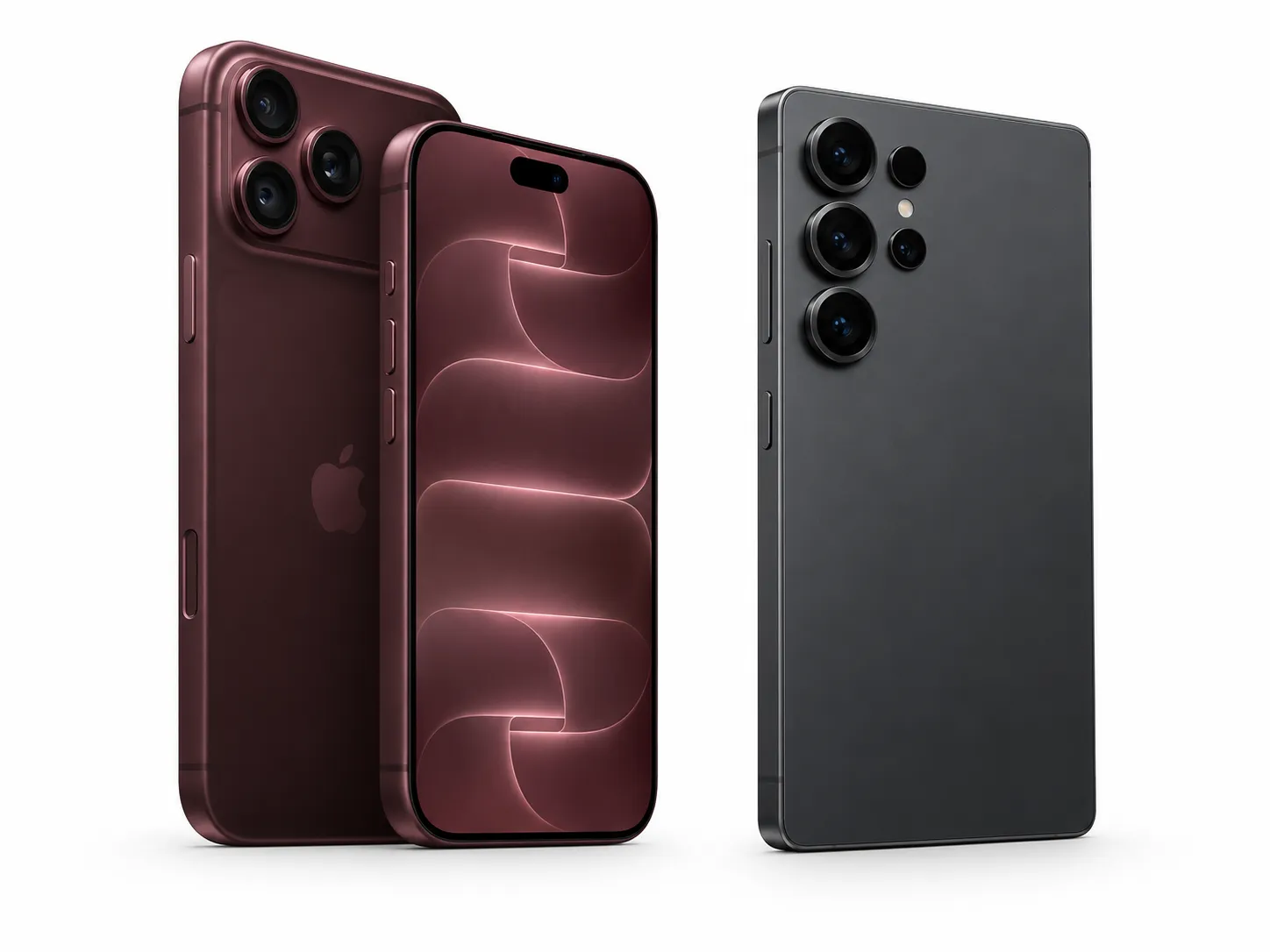
Comparing a survival-focused rugged phone to mainstream flagships is like comparing a pickup truck to a sports car—they're built for completely different purposes, but the comparison reveals interesting insights about priorities and trade-offs. Flagship phones optimize for display quality, camera performance, and sleek design. This rugged device flips that equation, prioritizing durability, battery life, and specialized survival features.
The performance implications are particularly fascinating. Modern flagship processors are designed assuming certain thermal and power constraints. When you wrap that same processing power in a rugged case with sophisticated thermal management systems designed to handle charging loads, the sustained performance characteristics change completely. While peak benchmark scores might not match the latest iPhone or Galaxy S flagship, this phone maintains consistent performance during extended intensive tasks.
Here's what caught me off guard: the camera system, while not flagship-tier, delivers genuinely usable results in challenging outdoor conditions. Night photography benefits from the aggressive image processing designed for low-light scenarios common in survival situations. The display, though not OLED-bright, remains clearly visible in direct sunlight—a practical advantage over many premium phones that struggle with outdoor visibility.
The everyday user experience requires some adjustment. The phone's substantial weight and thickness make pocket carry more noticeable, and the industrial design aesthetic won't appeal to everyone. But reliability proved exceptional—no random crashes, consistent cellular reception, and battery life that makes typical smartphone anxiety completely irrelevant.
Bottom line: This isn't trying to compete with flagship cameras or display technology. Instead, it delivers "good enough" mainstream functionality while excelling in specialized capabilities that traditional smartphones simply can't match.
The real-world verdict: innovation or novelty?
After weeks of hands-on testing in various scenarios—from backpacking trips to extended remote work sessions—the answer isn't as straightforward as you might expect. The fire-starting feature works as advertised, though it's more of a controlled spark system than anything dramatic. It's genuinely useful in emergency situations, but you'll still need proper tinder and technique. The MacBook charging capability proved reliable and practical, though it comes with expected trade-offs in device size and weight.
What's most interesting is how this device challenges our assumptions about smartphone evolution. While the industry chases incremental improvements in familiar areas—camera megapixels, display refresh rates, processor benchmarks—this phone asks whether we've been optimizing for the wrong things entirely. The mainstream smartphone market has become incredibly homogeneous, with every flagship delivering excellent cameras, beautiful displays, and more processing power than most people actually use.
This survival phone doesn't solve battery anxiety and device fragility for everyone, but it completely eliminates these concerns for its intended use cases. It represents a fascinating parallel evolution in mobile technology—instead of making existing features incrementally better, it asks what entirely different problems smartphones could solve.
For most people, mainstream priorities like camera excellence, sleek design, and premium display quality remain more important than survival features. Most of us live in environments where the nearest power outlet is never more than a few hours away, and our biggest "survival" challenge is getting through a busy day without charging.
But for outdoor enthusiasts, emergency responders, remote workers in challenging environments, or anyone who values ultimate device reliability over premium aesthetics, this represents a genuinely compelling alternative. The question isn't whether it's better than a flagship phone—it's whether it's better at solving specific real-world problems that traditional smartphones simply can't address.
Here's the key takeaway: This isn't a phone for everyone, and it's not trying to be. It's a specialized tool that happens to run Android exceptionally well. When evaluated as survival gear that doubles as a capable smartphone, rather than a smartphone with survival features, it's actually quite impressive. Whether that's innovation or novelty probably depends more on your lifestyle and specific needs than on the device itself.
For most people, it's a fascinating glimpse into alternative smartphone evolution. For some, it might just be the perfect device they didn't know they needed.


Comments
Be the first, drop a comment!