



Cross-platform file sharing has been one of those daily frustrations that tech users have simply accepted for years. You know the drill—trying to share a video from your Android phone to your friend's iPhone meant either emailing it to yourself, uploading to the cloud, or resorting to some clunky third-party app. But Google's latest announcement suggests those days of digital friction are finally coming to an end, and it's not just limited to Pixel devices anymore.
Last November, Google introduced cross-platform compatibility that allows Pixel 10 users to share files directly with Apple devices through Quick Share-AirDrop integration. Now, Google has confirmed this functionality will expand to Android phones more broadly throughout 2026, MacRumors reports. Eric Kay, Google's vice president of engineering for the Android platform, recently stated during a Pixel Labs tour that the company is actively working with partners to bring this capability to significantly more devices, as noted by MacRumors.
How Google cracked the AirDrop code
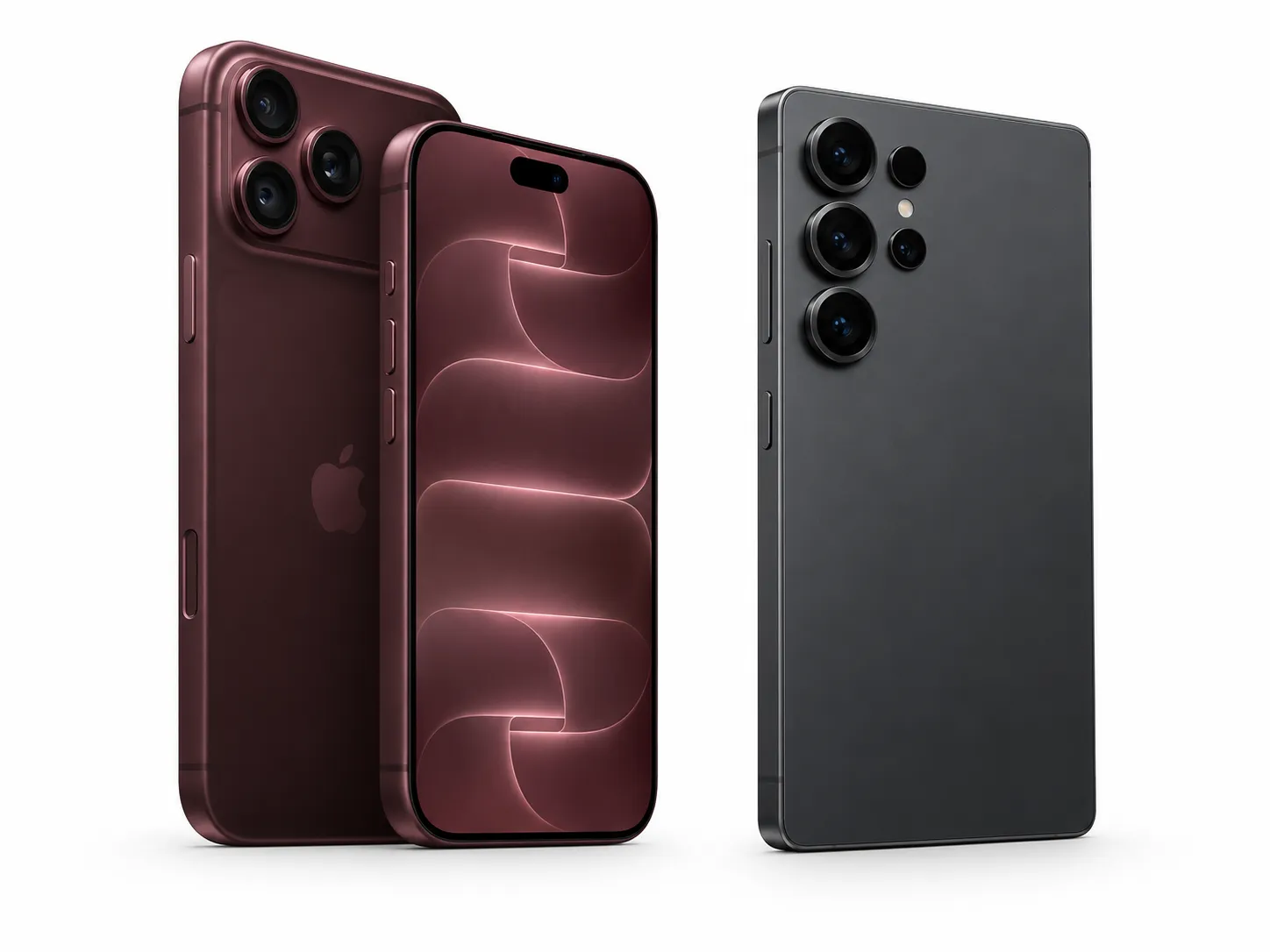
Here's where things get technically interesting. Google didn't wait for Apple's blessing to make this happen—they reverse-engineered the entire process themselves. The file sharing currently works between Apple devices like iPhone, iPad, and Mac, along with Google's Pixel 10 series, MacRumors confirms. Google accomplished this feat by developing its own implementation that speaks AirDrop's language without requiring any changes from Apple.
The technical achievement here shouldn't be understated. Quick Share operates using Google's Nearby platform, which leverages Bluetooth Low Energy for device discovery and Wi-Fi Direct for fast transfers.
Meanwhile, AirDrop runs on Apple's proprietary Wireless Direct Link protocol over Wi-Fi with Bluetooth assistance, as detailed by Find Articles. Getting these two fundamentally different systems to communicate required Google to essentially decode and implement Apple's closed protocol—and then build something durable enough to survive future Apple updates.
This durability challenge makes Google's accomplishment even more impressive. Since Apple can modify AirDrop's underlying protocol at any time, Google had to build something resilient against small protocol changes, Find Articles notes. This means Google is basically committing to monitor Apple updates continuously to ensure the bridge remains viable—that's as much of an engineering promise as it is a product feature.
The architectural shift that makes expansion possible
Google made a crucial strategic decision that signals their long-term commitment to this feature. Rather than keeping AirDrop compatibility tied to Pixel-specific system components, Google transformed Quick Share from a basic system app into a complete APK distributed through the Play Store.
This architectural change makes the feature much easier to update and deploy across different manufacturers' devices, strongly suggesting that AirDrop compatibility is intended as a broader Android feature rather than a Pixel exclusive, according to MacRumors.
The move to an APK-based distribution model is actually brilliant from a deployment standpoint. This approach allows Google to deliver updates and improvements without requiring full operating system upgrades, providing users with a more current and stable file-sharing experience, Qoo10 notes. It also contrasts sharply with traditional methods that bundle features tightly within OS releases, often creating delays and compatibility challenges, as Qoo10 explains.
This APK distribution framework means you'll receive feature improvements faster than typical OS updates, and manufacturers can integrate the service more smoothly across Android's diverse hardware landscape.
Industry partners are already jumping on board
The momentum behind this cross-platform initiative is building rapidly across the Android ecosystem. Companies like Nothing have already confirmed plans to integrate Quick Share compatibility with AirDrop into their upcoming products. Additionally, Qualcomm is contributing by optimizing its Snapdragon processors to better support cross-platform wireless transfers similar to those on Pixel devices.
This industry cooperation ensures that a wider range of devices will support true interoperability across brands and models, fundamentally changing how we think about cross-platform sharing, Qoo10 confirms. Some manufacturers are even getting ahead of the curve—OPPO and Xiaomi have already introduced their own workarounds, with the latest ColorOS and HyperOS offering cross-platform AirDrop-like connectivity, GSMArena notes.
Nothing's CEO Carl Pei was particularly enthusiastic about bringing this interoperability feature to the company's Android phones as soon as possible. The widespread industry interest demonstrates just how much pent-up demand exists for this kind of truly universal file sharing—something that's been missing from the mobile ecosystem for far too long.
Security and limitations you should know about
Google hasn't cut corners on security to achieve this compatibility breakthrough. The Quick Share-AirDrop integration uses a multi-layered security model, including encrypted transfer channels, built-in platform protections on both Android and iOS, and explicit consent steps before any file is received, MacRumors reports. Google built this system with security as a core priority and had it audited by independent security experts, according to Google's blog.
However, there are some current limitations worth noting. The feature currently only works in the "Everyone for 10 Minutes" sharing mode for both AirDrop and Quick Share. Google has expressed interest in working with Apple to support "Contacts Only" mode in the future, but that would require Apple's cooperation. For now, users need to temporarily open their sharing settings to everyone, which may not be ideal in crowded public spaces.
Both platforms maintain their robust encryption and mutual verification protocols during transfers, Find Articles confirms. But enterprise administrators should carefully evaluate how this new compatibility layer interacts with their mobile device management and data loss prevention tools to ensure sensitive files aren't inadvertently shared outside approved channels.
What this means for the mobile ecosystem's future
This development represents more than just a convenient feature—it's part of Google's broader strategy to eliminate barriers for users considering a switch from iPhone to Android. Google envisions Quick Share compatibility as a critical component of their long-term plan to facilitate migration for users transitioning between platforms. Eric Kay emphasized Google's commitment to making platform migration effortless, stating they're working hard to help people who decide to switch to Android.
The broader implications extend far beyond individual consumer convenience. Mixed device environments in families, schools, and workplaces will benefit significantly from this reduced transfer complexity. No more emailing yourself files or jumping through cloud storage hoops just because you need to get a document from an Android phone to a Mac.
IT teams supporting diverse device fleets have long relied on cumbersome cloud connections or mobile device management solutions for file transfers—this could streamline those workflows considerably while reducing the "productivity tax" of mixed environments.
This collaboration also demonstrates how the smartphone industry is evolving toward greater consumer convenience and technological harmony. It's just one more way Google is building bridges between operating systems, following their previous work on RCS messaging and unknown tracker alerts.
The upcoming rollout of Quick Share compatibility represents a major step toward unifying the fragmented mobile ecosystem. Users can look forward to a more open, connected experience starting this year, and this progress hints at a future where platform limitations become increasingly irrelevant to daily device usage.
Here's the thing—Apple hasn't officially responded to Google's announcement yet, and their reaction could shape the entire future of cross-platform compatibility. They could embrace this new reality and work toward even deeper interoperability, or they could potentially make changes to their protocol to complicate compatibility.
Each path has trade-offs: breaking changes would lack user understanding, while cooperation would indicate a deeper transition toward openness in the mobile ecosystem. For now, Google has done the heavy lifting, betting that users will reward platforms that meet somewhere in the middle of the walled garden divide.



Comments
Be the first, drop a comment!