



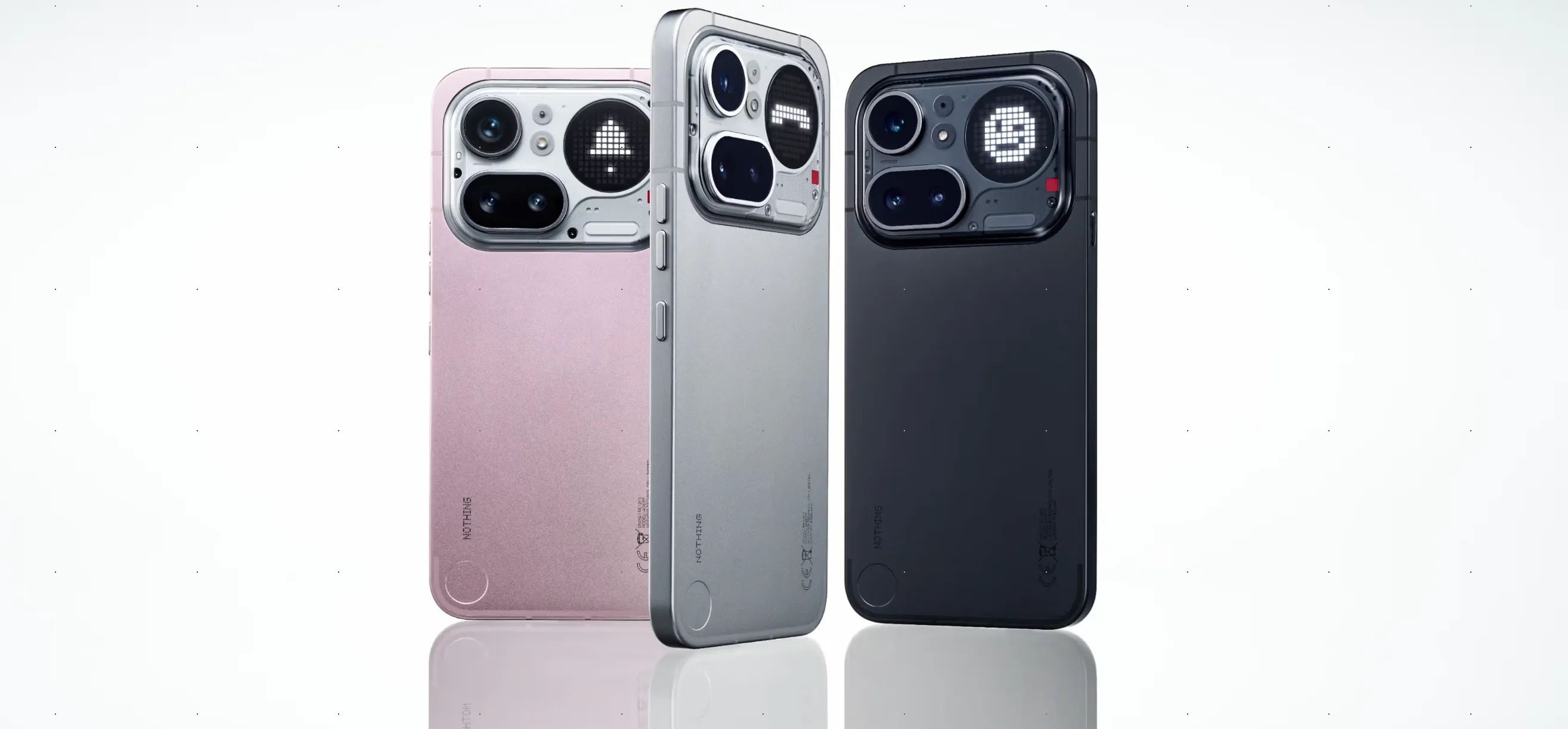
Nothing phones at Best Buy are now a real U.S. retail play. The London-based company has brought its phones and audio lineup to more than 500 Best Buy stores across the country, giving shoppers a much easier way to see and handle its hardware before buying.
According to Android Central, Nothing announced the U.S. Best Buy expansion on June 12, 2026, with Phone (3), Phone (4a) Pro, Headphone (a), and Ear (3) available in stores and additional Nothing products available through Best Buy's website. For unlocked Android buyers outside New York, that is a direct improvement in access. For Nothing's broader U.S. ambitions, it is still a qualified step.
Nothing still does not sell its phones through Verizon, AT&T, or T-Mobile. Best Buy expands where shoppers can find the hardware. It does not change how most Americans buy phones.
What Best Buy changes for Nothing shoppers
Before the June 2026 Best Buy rollout, Nothing's most visible U.S. retail presence was its flagship store in New York's SoHo neighborhood. Buyers outside New York had fewer chances to handle the phones before ordering.
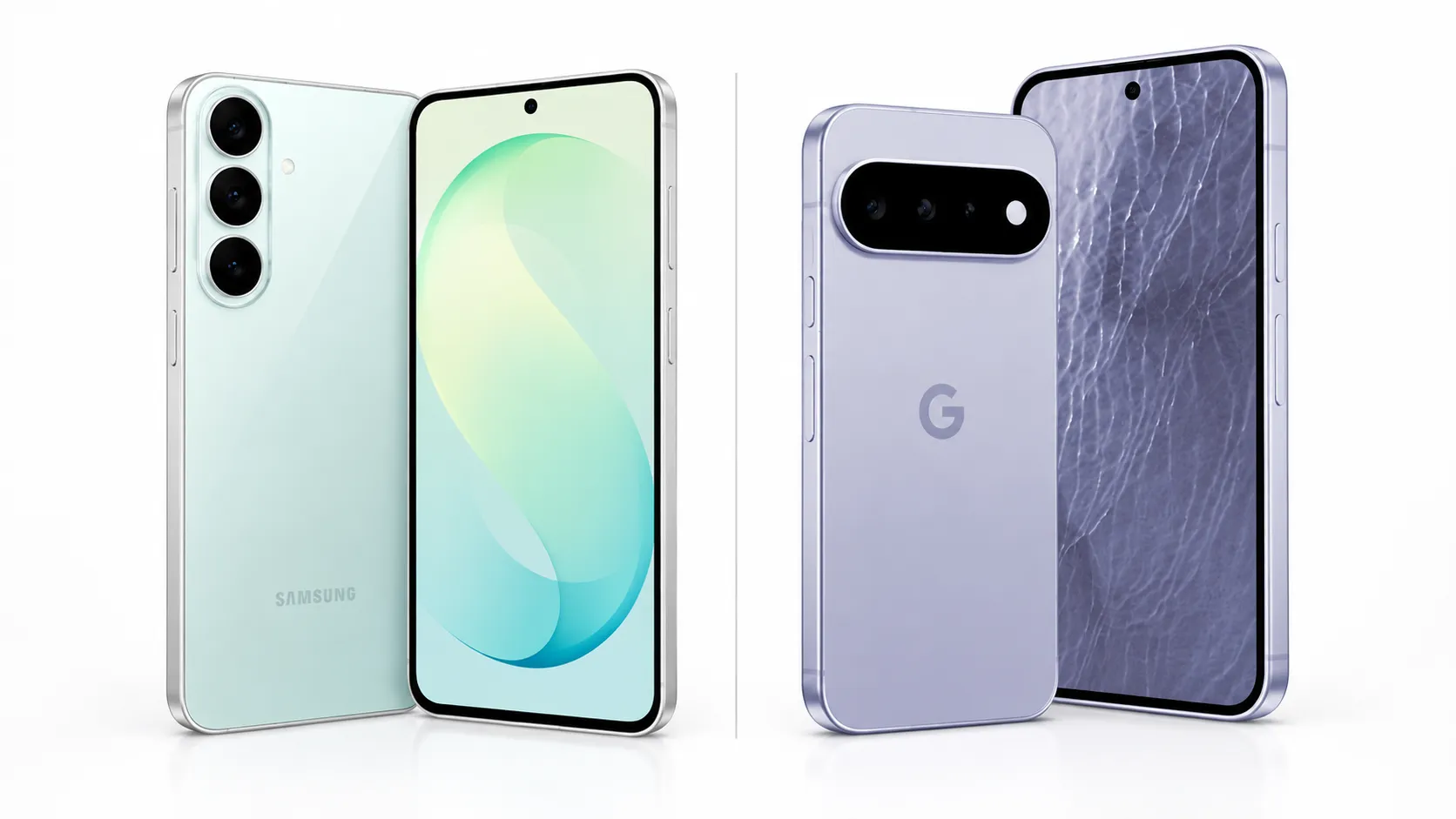
That matters for a brand built around design. Nothing phones are not just spec-sheet devices; they rely on translucent styling, light-based notifications, and a software look that feels different from the usual Samsung, Google, or Motorola options. A store shelf gives shoppers a faster way to decide whether that design is useful, distracting, or exactly what they want from an Android phone.
The audience this primarily serves is the unlocked-phone buyer: someone who chooses the device first, then activates it separately. The Phone (4a) Pro starts at $499, while the higher-end Phone (3) sits above it as Nothing's flagship option. Because these are unlocked models, shoppers should check carrier compatibility, eSIM support, return terms, and warranty handling before buying.
The audio products also help. Headphone (a) and Ear (3) put more of Nothing's ecosystem on the same retail shelf, which makes the brand easier to understand in one visit instead of one product listing at a time.
Why Nothing benefits from a store shelf
Nothing's biggest advantage is still the thing that can be hardest to judge online: whether its design feels fun or gimmicky in person.
The translucent backs, Glyph lighting, and monochrome software are more convincing when shoppers can pick up the device, turn it over, and see how the hardware behaves. For Gadget Hacks readers who like customizing phones, that hands-on experience matters. Nothing's pitch is not just that its phones are cheaper than flagships; it is that they make Android feel more personal.
The Phone (4a) Pro is the clearest example. TechRadar's review said the phone launched on March 19, 2026, with pricing from $499 / £499, putting it in the same conversation as other midrange Android phones. But its appeal depends heavily on features that are easier to evaluate in person: the Glyph Matrix, the aluminum body, the large display, and Nothing OS.
The test now is whether that visibility can turn casual Best Buy browsers into unlocked-phone buyers.
What Best Buy cannot solve
The carrier gap is still the biggest limit on Nothing's U.S. growth.
A Best Buy partnership makes Nothing easier to find, but it does not put the phones inside the sales channels where many Americans still buy devices: carrier stores, carrier websites, trade-in promos, monthly installment plans, and activation support from Verizon, AT&T, and T-Mobile.
That distinction matters. An unlocked phone can be a great fit for shoppers who already know what they want and are comfortable checking network compatibility. It is a harder sell for people who buy whatever their carrier offers with the best monthly deal.
Nothing's reported growth also needs context. Android Central cited company-supplied figures showing U.S. sales rose 120% and revenue grew 175% in 2025. Those numbers show momentum, but Nothing has not disclosed absolute U.S. shipment volume in the same report. Big percentage gains from a small base can be real without making the brand a mass-market player.
What the Best Buy deal establishes is a stronger national unlocked-retail niche, built without a carrier sales agreement. That is a meaningful lane, but it is not the same as competing head-on with Apple, Samsung, and Google inside carrier stores.
What comes next for Nothing in the U.S.
The Best Buy launch gives Nothing something it has not had before in the U.S.: a national stage for hardware that rewards being seen and held in person.
For shoppers, the practical change is simple. Nothing phones are now easier to compare against other unlocked Android options before buying. For the company, the next question is bigger: whether retail visibility leads to wider distribution.
Nothing has shown that U.S. interest can grow without a carrier deal. Whether it pursues one or doubles down on unlocked retail will determine how much the June 2026 Best Buy launch ultimately matters.




Comments
Be the first, drop a comment!