



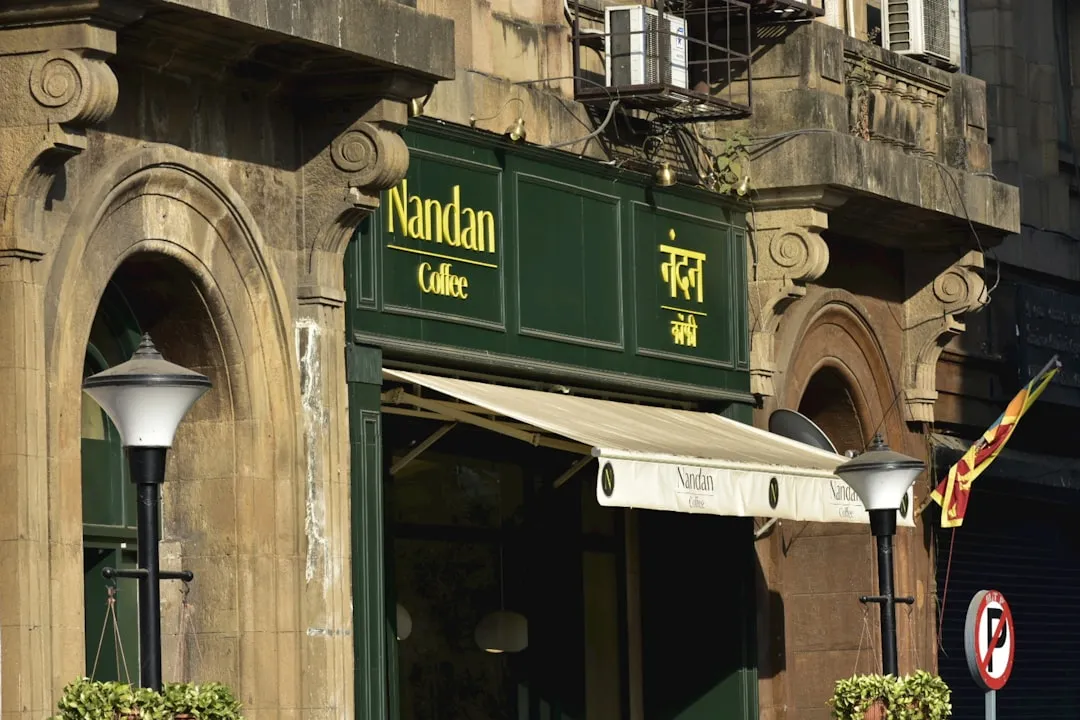
Nothing's bet on brick-and-mortar retail is getting serious. The London-based smartphone maker has just opened its first flagship store in India—a market where the brand has been building momentum since its debut. According to TechCrunch, a two-story flagship in Indiranagar, Bengaluru (the company opened its India flagship there) marks a significant shift in the company's distribution strategy. For a brand that initially relied heavily on online flash sales and invite systems, planting a physical flag in a market dominated by established players signals both ambition and a maturing retail philosophy.
Here's what makes this move particularly interesting: Can Nothing's distinctive design language and community-focused approach translate to the offline retail experience? And what does this expansion tell us about the brand's long-term vision?
Why India, and why now?
The timing and location of Nothing's first flagship store reveal careful strategic thinking. The company chose Mumbai's Jio World Plaza—a premium retail environment that attracts exactly the demographic Nothing targets: tech-savvy consumers willing to pay for design and innovation. India represents Nothing's largest market outside of Europe, as reported by TechCrunch, making it the logical choice for the brand's flagship retail experiment.
The broader smartphone landscape in India has shifted significantly. The market has been experiencing a premiumization trend, with consumers increasingly willing to invest in devices above the budget segment. Nothing's transparent design aesthetic and Glyph interface—that distinctive LED notification system on the phone's back—have already resonated with Indian buyers through online channels. But physical retail offers something e-commerce simply cannot: the ability to experience the brand's unique visual and tactile identity firsthand. You need to see those LED patterns pulse in person to truly get it. The 2,000-square-foot space provides ample room for product displays, hands-on demonstrations, and the kind of immersive brand experience that builds loyalty beyond spec sheets.
This strategic positioning also lets Nothing compete more effectively with established players like OnePlus and Samsung, both of which have invested heavily in offline retail presence across India. While Nothing has carved out a distinct identity online, physical stores offer critical advantages: customer acquisition, after-sales service, and brand credibility. In a market where many consumers still prefer to see and touch devices before purchasing, that physical presence matters more than marketing campaigns alone.
What the flagship experience actually offers
Nothing's flagship store isn't just a sales counter—it's designed as an experiential space that reflects the brand's design philosophy. The store will showcase Nothing's complete product lineup, showcasing Nothing's current product lineup (Nothing and CMF phones, audio products and accessories) — see local store coverage for the exact models on display. This comprehensive product display allows potential buyers to understand how Nothing's ecosystem works together—a crucial selling point for a brand positioning itself as more than just a smartphone maker.
The retail space emphasizes Nothing's distinctive transparent design language, creating an environment that mirrors the aesthetic of the products themselves. For a brand that has built its identity around transparency—both literal and metaphorical—the physical store becomes an extension of that philosophy. Customers can interact with the Glyph interface, experience the unique notification system in person, and understand the thoughtfulness behind design choices that might not translate through online product photos.
PRO TIP: If you're considering Nothing products, visiting the flagship store gives you the chance to test how the Glyph interface actually works in daily scenarios. Try setting up custom notification patterns for different contacts—it's far more intuitive to configure in person than it sounds on paper.
Beyond product displays, the flagship store serves as a customer service hub, providing after-sales support and service. This addresses one of the key concerns for smartphone buyers in India: reliable warranty support and repair services. The infrastructure investment signals Nothing's commitment to the market beyond simply selling devices—it's building the support ecosystem necessary for long-term customer satisfaction and brand loyalty.
The bigger picture: offline retail in a digital-first brand's evolution
Nothing's flagship store opening represents a significant evolution in the company's retail strategy—and it's following a proven playbook. The brand initially gained attention through carefully orchestrated online launches, invite systems, and flash sales that created artificial scarcity and buzz. That approach successfully built hype and community engagement, but sustainable growth requires broader distribution channels. The Mumbai flagship suggests Nothing has reached a maturity point where physical retail makes strategic sense.
This shift mirrors the trajectories of other digitally-native brands. OnePlus, for example, started with online-only flash sales before building an extensive network of experience centers and retail partnerships across India. Nothing appears to be following a similar playbook, though with its own distinct approach to the retail experience. The key difference? Nothing's emphasis on design-forward spaces that feel more like brand galleries than traditional phone shops—think more Apple Store, less carrier kiosk.
The expansion into physical retail also addresses practical realities in India's market dynamics. Offline retail provides opportunities for impulse purchases, hands-on product comparisons, and immediate gratification that e-commerce cannot match, regardless of how fast delivery has become. For consumers making significant purchases—smartphones in the ₹40,000+ range—the confidence of a physical store visit often tips the decision.
What this means for Nothing's competitive positioning
The flagship store opening signals Nothing's intention to compete seriously in the premium smartphone segment in India. By establishing a physical presence in Mumbai's upscale Jio World Plaza, as noted by TechCrunch, Nothing positions itself alongside established premium brands rather than budget competitors. This location choice communicates brand aspirations as powerfully as any marketing campaign—you're known by the company you keep, and Jio World Plaza puts Nothing in premium territory.
The competitive landscape in India's premium segment is intense. Samsung dominates the high end, Apple has been growing aggressively, and Chinese brands like Xiaomi and OnePlus fight for the upper-mid-range. Nothing's transparent design and Glyph interface differentiate it visually, but physical retail allows the brand to demonstrate these differences in ways that online marketing simply cannot capture. The tactile experience of Nothing's products—the weight, the LED patterns, the overall build quality—becomes a competitive advantage when customers can compare directly with alternatives on adjacent display tables.
Let's break it down: The store's focus on the complete product ecosystem, including audio products, positions Nothing to capture more wallet share from each customer. Rather than competing solely on smartphone specs and pricing, the brand can demonstrate how its devices and accessories work together, creating stickiness through ecosystem lock-in. It's a page from Apple's playbook, adapted for more accessible price points.
Where Nothing goes from here
Nothing's Mumbai flagship represents just the beginning of the company's offline retail ambitions. The store serves as a proof of concept that could be replicated in other major Indian cities if successful. Delhi, Bangalore, and Hyderabad represent logical next steps, each offering large populations of tech-savvy consumers who fit Nothing's target demographic.
The success of this retail experiment will be measured not just in direct sales from the store, but in broader brand metrics: increased awareness, improved brand perception, and the halo effect on online sales. Physical stores create brand legitimacy and provide marketing value that extends beyond the four walls of the retail space. Every customer who visits, even without purchasing, becomes more familiar with Nothing's products and brand story—and potentially more likely to buy online later.
Bottom line: India's position as Nothing's largest market outside Europe means the company will likely continue investing in the region. Beyond additional flagship stores, we might see Nothing expand into multi-brand retail partnerships, airport locations, and experience centers in tier-two cities. The real test will be whether Nothing can scale its distinctive retail experience while maintaining the design-forward, premium feel that differentiates it from competitors' often generic store layouts. That balance between expansion and brand consistency will determine whether this flagship is the first of many—or a one-off experiment.








Comments
Be the first, drop a comment!