



Reviewed by: Y. Garcia
Your Qi2-enabled smartphone just became a compelling reason to upgrade your ride. Nissan's introduction of advanced wireless charging technology in their 2026 SUVs represents more than just a convenience upgrade — it's the first glimpse of how automotive technology is finally catching up with our mobile devices. Nissan claims to be the first automaker in the U.S. to offer Qi2 wireless charging, specifically in their new Pathfinder and Murano models. The wireless charging market is experiencing explosive growth, with projections showing it will increase by USD 40.37 billion at a 39.6% CAGR from 2024 to 2029. Meanwhile, the Qi2 ecosystem has already expanded to support over 1.5 billion devices worldwide in less than two years since its announcement.
What makes Qi2 charging a game-changer for drivers?
Here's the bottom line: traditional in-car wireless charging has been frustratingly unreliable. You know the drill — place your phone on the pad, drive away, and discover hours later that it barely charged because it shifted slightly out of position. Nissan's Qi2 implementation solves this with magnetic alignment technology that uses a raised magnetic circle to lock compatible phones in place. The system works with iPhones from the 12 onward, newer Google Pixels, and Android devices with supported cases.
The performance improvements are substantial. Nissan's new system delivers up to 15 watts of power — three times that of earlier generations. More impressively, charging time from 10% to 90% drops from four hours to just over 90 minutes. The magnetic positioning ensures proper alignment even with modern phones' large camera bumps, eliminating one of the most common charging failures.
This precision matters more than you might realize. Consider that wireless charging failures typically stem from millimeter-level misalignment between charging coils — a problem that becomes exponentially worse when your phone slides around on a smooth surface during acceleration, braking, or turns. The magnetic attachment eliminates these positioning variables entirely, creating the consistent coil alignment that traditional automotive wireless chargers have never achieved.
Why cooling technology matters more than you think
The built-in cooling fan isn't just a nice-to-have feature — it's essential for maintaining charging performance. The system includes a fan that cools both the charger and the device being charged, which helps prevent overheating that can interrupt charging until the device cools down. This addresses a critical issue with wireless charging: heat generation that reduces efficiency and can damage battery health over time.
Now here's something you might not have considered: heat is wireless charging's biggest performance killer. When your phone gets too warm during wireless charging, it automatically throttles the charging speed to protect the battery. In a hot car during summer, this thermal throttling can essentially shut down charging altogether, leaving you with a dead phone despite hours on the charging pad. Worse yet, repeated exposure to high temperatures during charging can permanently reduce your battery's capacity over time.
Nissan's raised magnetic circle design with integrated cooling vents represents a thoughtful engineering approach to this challenge. The hockey puck-like charger holds phones in the correct spot for charging and keeps them cool with a fan, making for much more efficient powering. Visual feedback comes via LED indicators: solid orange indicates charging is underway, green shows full charge, and flashing orange warns of foreign object detection. It's the kind of attention to detail that suggests Nissan actually listened to real user complaints instead of just checking boxes on a feature list.
The broader Qi2 ecosystem explosion
Nissan's automotive implementation arrives as Qi2 technology experiences remarkable market adoption. Over 1,200 new products became certified in 2025, with nearly four billion Qi2 products expected to ship within the next five years. Consumer satisfaction is driving this growth — 88% of smartphone users report being extremely or somewhat satisfied with Qi2 wireless charging performance.
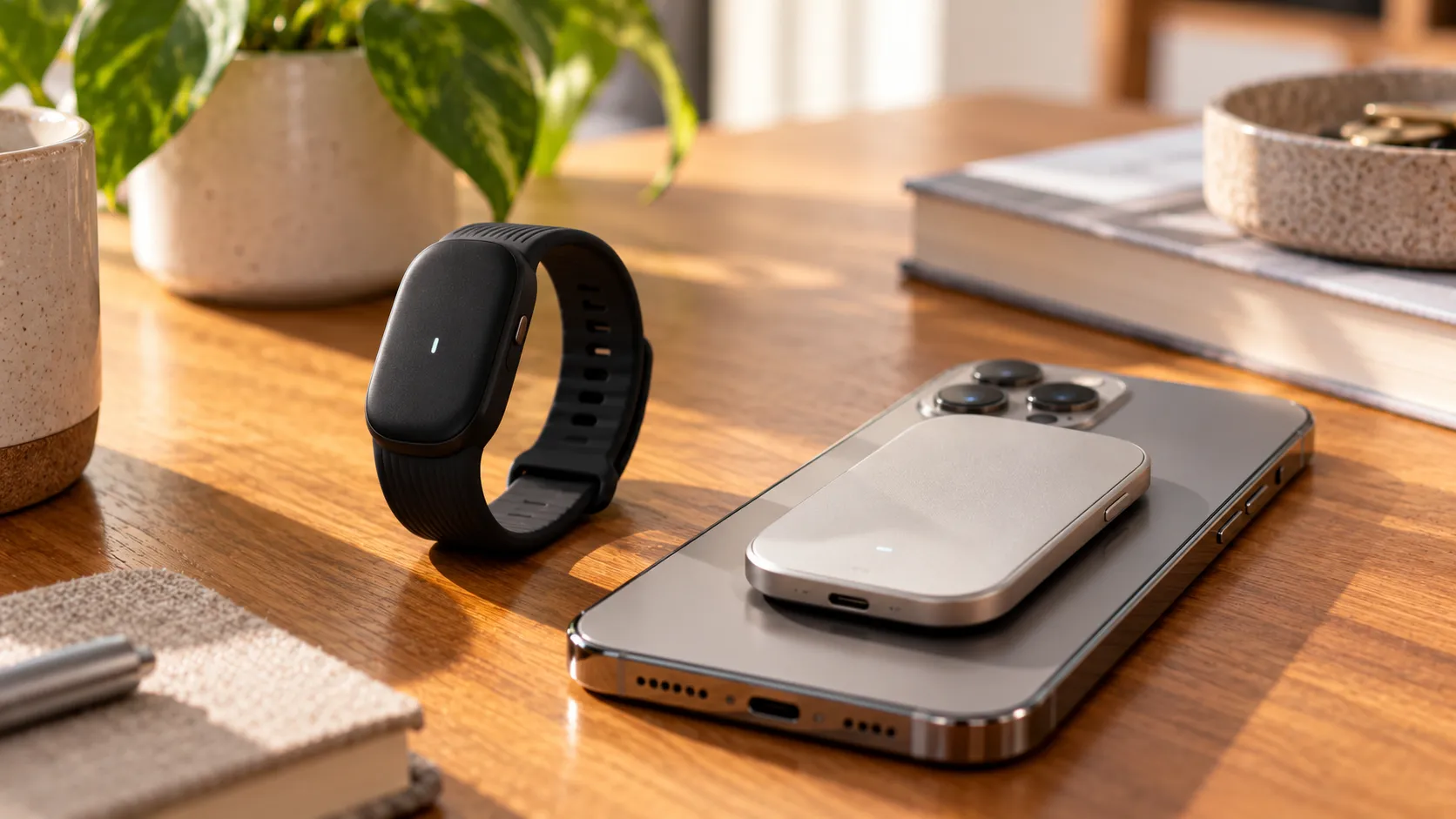
The technology's appeal extends beyond convenience. ESR showcases complete Qi2 25W charging experiences with expanded CryoBoost magnetic chargers, while CryoBoost represents the world's first active phone cooling technology integrated into wireless charging. The ecosystem now includes everything from ultra-thin power banks to sophisticated multi-device charging stations.
This rapid ecosystem expansion creates a compelling advantage for car buyers: accessory compatibility across your entire charging setup. When your home charger, office stand, power bank, and car all use the same magnetic alignment system, you eliminate the guesswork and inconsistent performance that has plagued wireless charging. More importantly, this standardization means you're not locked into proprietary charging solutions that become obsolete when you switch phone brands or car manufacturers.
What this means for your next vehicle purchase
The integration of Qi2 technology in vehicles represents a significant shift in automotive convenience features. Qi2 uses magnets and a cooling fan to improve phone alignment and prevent overheating, addressing fundamental problems that have plagued in-car wireless charging since its introduction. The 2026 Nissan Pathfinder and Murano are currently the first and only vehicles in their segments sold in the U.S. that offer Qi2 wireless charging.
This technological advancement signals broader changes coming to automotive charging systems. The Wireless Power Consortium has developed moving coil technology specifically designed for automobile use, which enables optimal alignment regardless of where devices are placed on charging pads. Fourteen devices completed Qi2 25W certification testing in a limited launch, with faster 25W charging promising even more dramatic improvements in charging speed.
Here's the strategic consideration: if you're in the market for a new vehicle and wireless charging matters to you, Nissan has essentially leapfrogged the entire automotive industry. While other manufacturers are still offering basic wireless charging that barely works reliably, Nissan is delivering technology that solves the fundamental problems we've all experienced. Early adopters of this technology will enjoy years of superior charging performance while waiting for competitors to catch up — and given automotive development cycles, that could be three to five years.
The road ahead for wireless charging
Nissan's pioneering implementation of Qi2 technology demonstrates how automotive manufacturers are finally addressing real user pain points rather than simply adding features for marketing purposes. The system aims to reduce the small frustrations drivers deal with every day, representing a thoughtful approach to technology integration. Consumer satisfaction data shows 89% of Qi2 users who previously used standard Qi devices report being more satisfied with the newer technology.
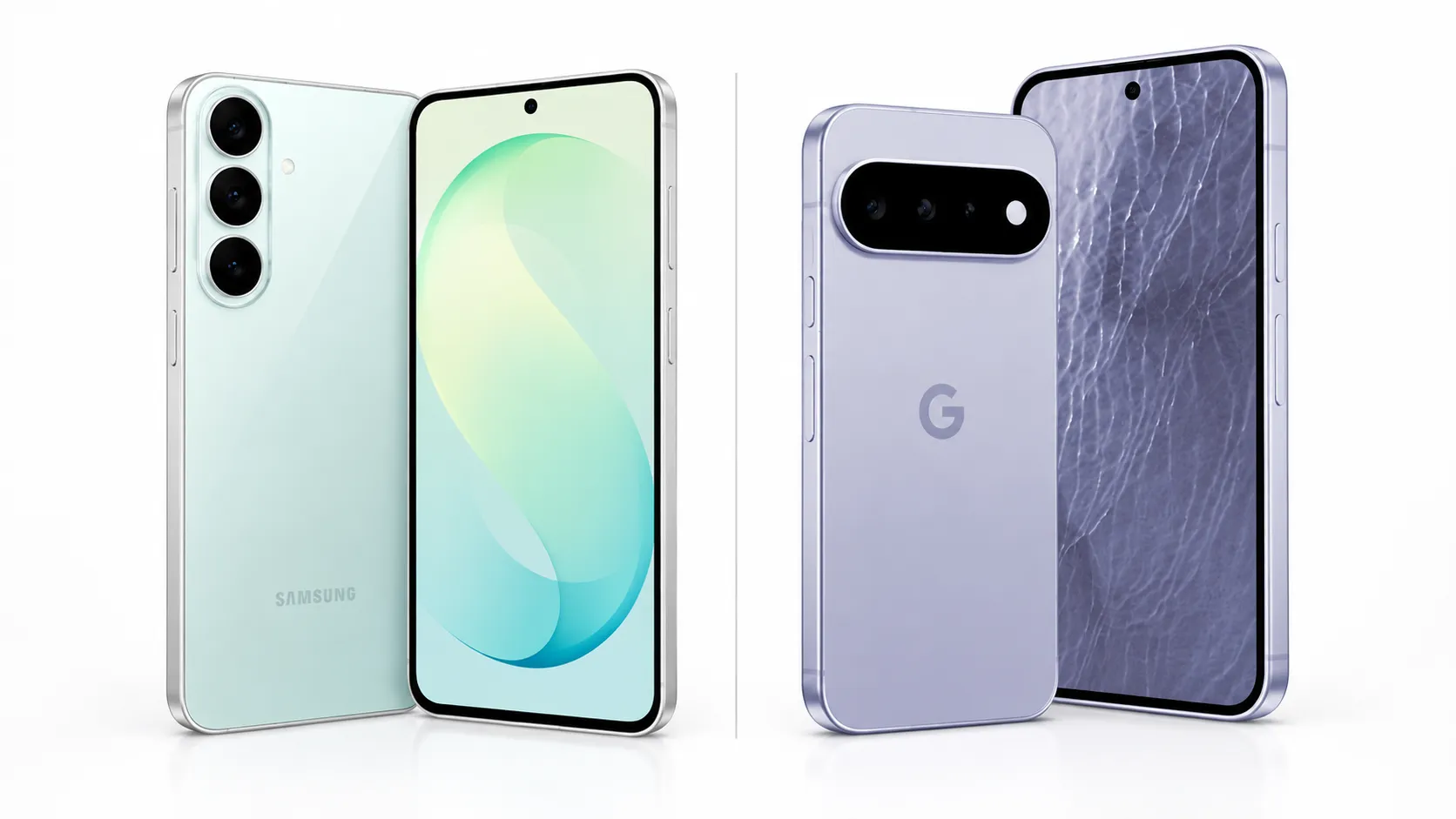
The timing couldn't be better for consumers considering new vehicle purchases. Major players like Samsung are rolling out Qi2-enabled devices, while Google contributes high-power wireless charging technology to the Qi v2.2 standard development. As smartphone manufacturers increasingly adopt Qi2 technology, the value proposition for Qi2-equipped vehicles only strengthens.
The key takeaway is that this represents a rare moment when automotive technology actually leads consumer expectations rather than lagging behind them. For too long, in-car wireless charging has been one of those features that sounds great in theory but disappoints in practice. Nissan's Qi2 implementation suggests we've reached an inflection point where automotive charging systems finally deliver on their promises — making that new car purchase suddenly much more compelling for anyone tired of fumbling with charging cables or dealing with the daily frustration of unreliable wireless charging pads that never quite work as advertised.






Comments
Be the first, drop a comment!