





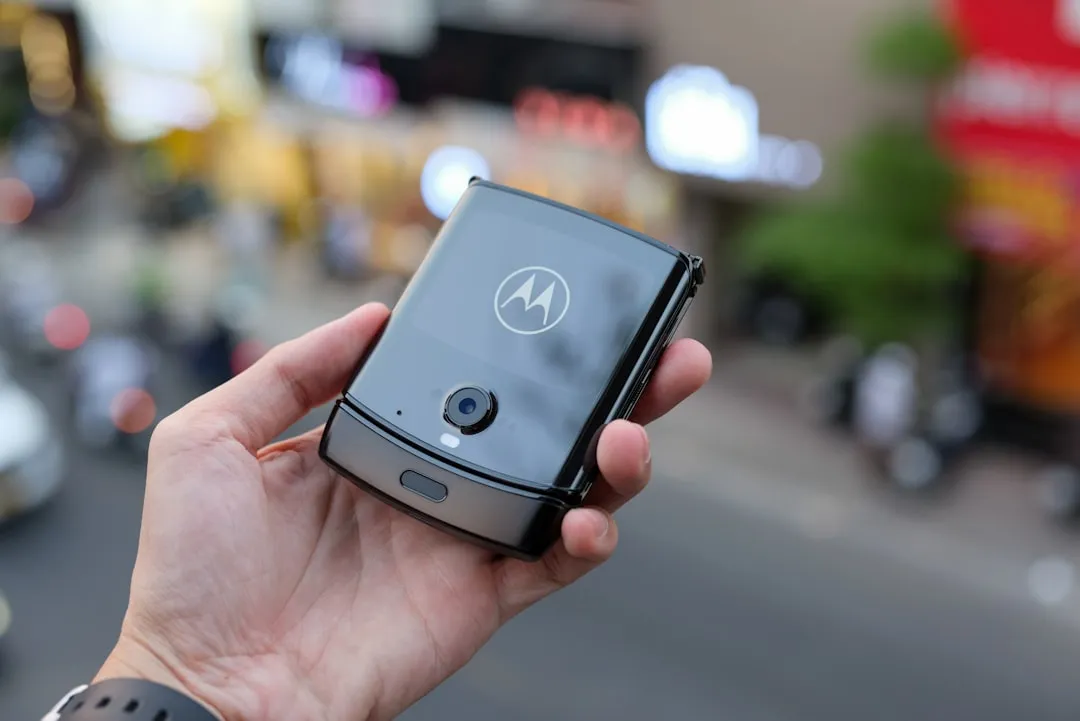
Motorola Razr Fold Charging Speed: Real-World Times by Model
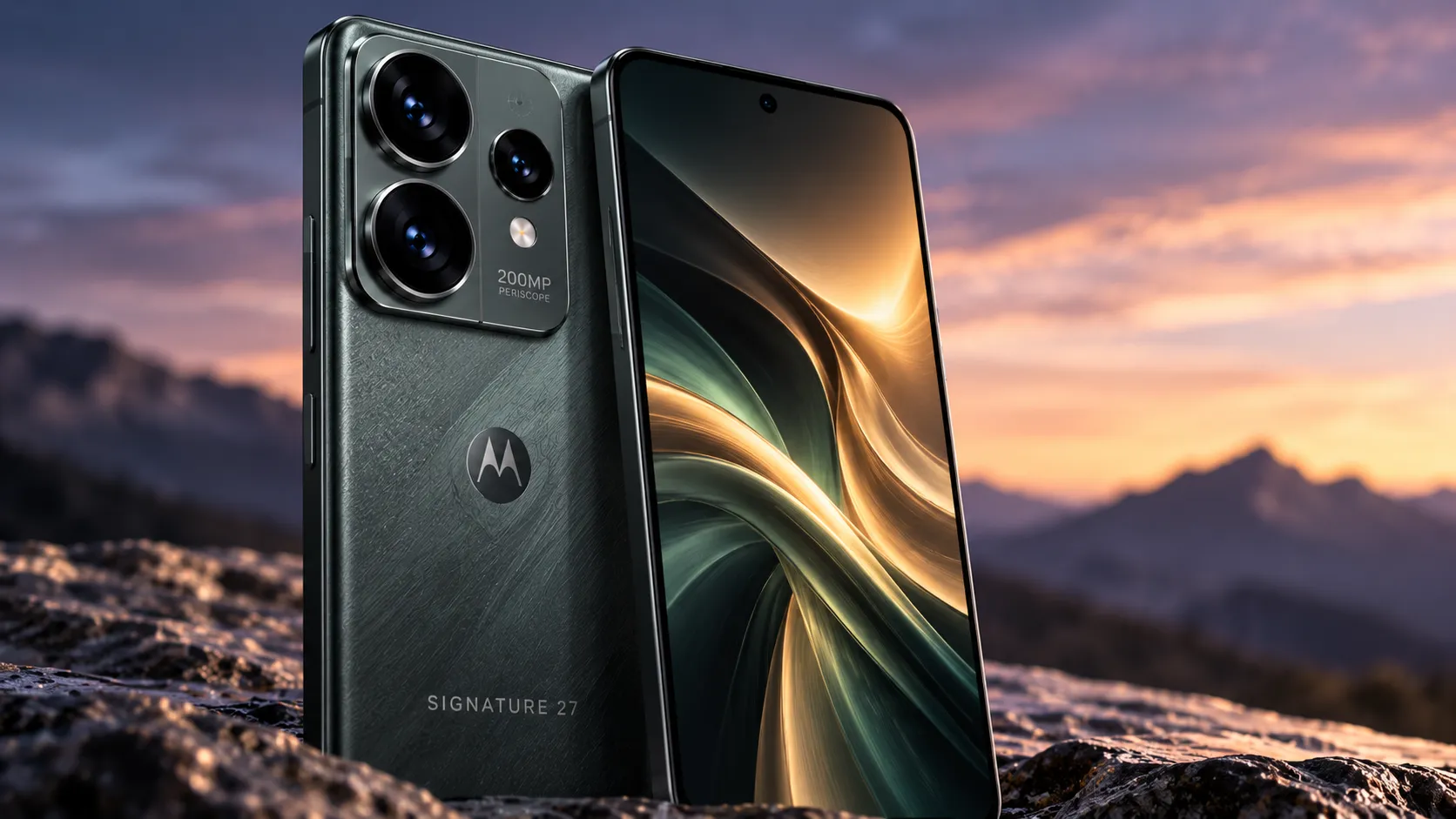
If you searched "Motorola Razr Fold charging speed" and got contradictory answers, the naming is why. "Razr Fold" isn't an official product name it's shorthand for Motorola's clamshell foldable lineup, which currently spans three distinct devices with three very different charging systems. The Motorola Razr Fold wired charging wattage ranges from 30W on the base model to 68W on the Ultra, and that spread has real consequences: in lab-tested conditions, it's the difference between a 43-minute full charge and one that takes well over an hour.
Model year, not the Razr brand name, determines your charging experience. Rated wattage only partially predicts how long you'll actually wait. This article works through what the specs mean, what independent testing has confirmed, what hardware you'll need, and which model to consider if quick top-ups matter.
Motorola Razr Fold wired charging wattage by model
Here's the full picture across the current lineup, with independently tested charge times where available:
| Model | Battery | Wired charging | Wireless charging | Tested full-charge time |
|---|---|---|---|---|
| Motorola Razr 2025 / Razr 60 | 4,500mAh | 30W | 15W | Not yet published |
| Motorola Razr Plus (2024) | Not confirmed in sources | 45W | 15W | 52 min (PhoneArena) |
| Motorola Razr Ultra (2025) | 4,700mAh | 68W | 30W | 43 min (PhoneArena) |
The "tested full-charge time" column reflects independent lab results, not Motorola's marketing claims. Those are different things, and this article keeps them separate throughout. No charge-time testing has been published for the base Razr 2025 at the time of writing. Its 30W wired and 15W wireless specs come from GSMArena's review, but extrapolating a charge time from wattage alone isn't reliable the next section explains why.
Motorola's lineup also shifts by region and release cycle. Before purchase, check the official Motorola product page for your market rather than assuming the specs listed here apply to every variant.
How fast does Motorola Razr Fold charge in real life?
Wattage ratings tell you the ceiling. They don't tell you how long it actually takes to get there and the gap between those two things is where most charging misconceptions live.
Think of it like a highway speed limit: knowing the maximum speed doesn't tell you your travel time. A phone typically draws close to its peak wattage early in a charge cycle, then throttles back as the battery fills to protect cell longevity. That curve means a 50% increase in rated wattage rarely produces anything close to a 50% reduction in charge time. Comparing the 2023 and 2024 Razr Plus makes this concrete: upgrading from 30W to 45W wired charging a 50% jump on paper trimmed just six minutes off a zero-to-full charge, per PhoneArena's battery test. Six minutes, from a 50% wattage increase. The ceiling moved; the curve underneath it didn't move nearly as much.
The tested charge times across the lineup tell a clearer story. The Razr Plus (2024) at 45W reached a full charge in 52 minutes, with 70% done by the 30-minute mark, per PhoneArena. The Razr Ultra (2025) at 68W completed a full charge in 43 minutes, hitting 80% at 30 minutes, according to PhoneArena's comparison testing. The jump from 45W to 68W a larger absolute wattage increase than the 2023-to-2024 Razr Plus upgrade produced a more meaningful nine-minute reduction and meaningfully faster mid-charge rates. If quick top-ups during a commute or between meetings are what you're optimizing for, that 80% at 30 minutes is the number worth paying attention to.
What about wireless? The Razr Ultra (2025) carries a confirmed 30W wireless spec, per The Verge and PhoneArena. No independent full-charge wireless timing has been published yet so the 30W spec is verified, but what that translates to in minutes remains untested. The Razr Plus (2024) and base Razr 2025 both carry 15W wireless specs, but neither has published wireless charge-time data in available testing either. Wireless charging specs, for now, remain unvalidated by lab results across the entire lineup.
What charger you'll need to hit these speeds
Specs only matter if you have the right hardware to back them up, and the box contents vary more than buyers typically expect.
The Razr 2025 / Razr 60 ships with no wall charger. GSMArena's review notes the bundled cable is a standard 3A USB-C unit, which is sufficient for that model's 30W ceiling so a 30W USB-C charger from any brand should cover it. You're buying the phone without an adapter, but at least you're not buying a phone whose peak speed requires proprietary hardware to unlock.
The Razr Ultra is a different situation. Reaching 68W requires a charger that can deliver it. Motorola sells a TurboPower 68W charger separately a single USB-C port adapter rated for 100–240V input, making it usable internationally. Whether third-party high-wattage chargers will reach peak speeds depends on the charging protocol, and available research doesn't confirm whether Motorola's fast charging uses standard USB Power Delivery / PPS or a proprietary standard. Motorola's own accessory is the one explicitly documented in the research; everything else involves uncertainty the sources don't resolve.
What's not confirmed: whether the Razr Ultra or Razr Plus ship with a wall charger included. Box contents vary by market, and assuming a fast-charging phone comes with a fast-charging adapter is a reasonable assumption that turns out to be wrong often enough to be worth checking. Before buying, verify the specific retailer or regional product page listing.
How the Razr lineup compares to Samsung's Galaxy Z Flip 6
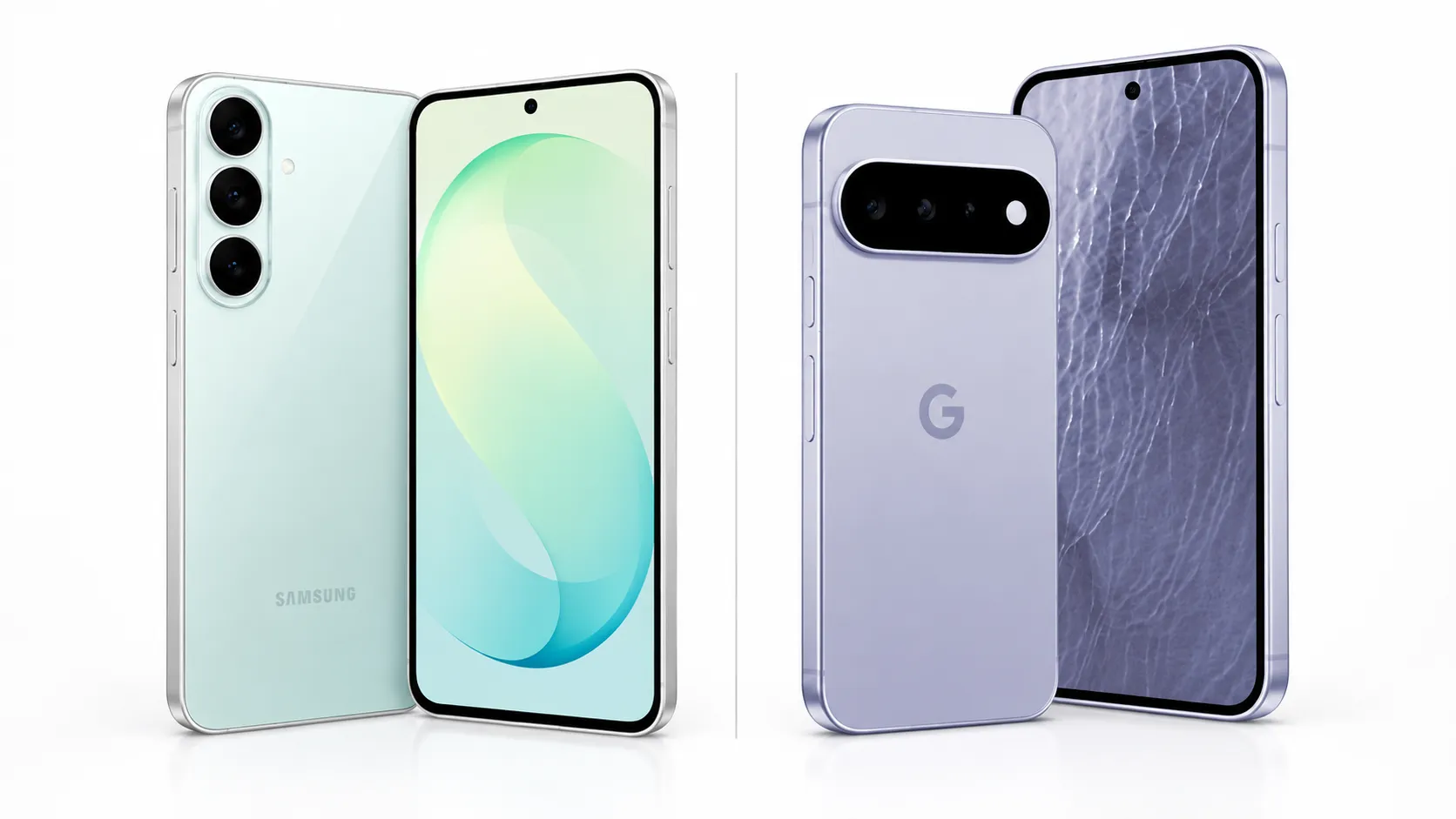
Put the numbers side by side and the gap is hard to ignore. The Galaxy Z Flip 6 is rated at 25W wired and 15W wireless, paired with a 4,000mAh battery. The Razr Ultra (2025) carries 68W wired and 30W wireless, with a larger 4,700mAh battery. In PhoneArena's head-to-head testing, the Razr Ultra reached a full charge in 43 minutes; the Galaxy Z Flip 6 took 1 hour and 31 minutes. At the 30-minute mark, the Razr Ultra was at 80% while the Z Flip 6 had reached 53%. That's the measured difference between a phone you can meaningfully top up during a coffee break and one that barely crosses the halfway point in the same window despite the Z Flip carrying a smaller battery.
PhoneArena's 2024 clamshell roundup ranked the Galaxy Z Flip 5 last in its segment with 25W wired charging, and the Z Flip 6 stayed at the same 25W rating. Samsung's foldables have historically competed on software integration and ecosystem depth rather than raw charging speed, and the data across two generations reflects that priority. For buyers who need quick top-ups, that's a consistent and measurable gap, not just a spec-sheet talking point.
The comparison also reframes where the Razr Plus sits. At 45W, it completes a full charge faster than the Z Flip 6 manages at 25W, making it competitive in the clamshell segment even if it doesn't match the Ultra. The Ultra, carrying nearly three times the Z Flip 6's wired wattage and charging almost 50 minutes faster despite the larger battery per PhoneArena, is in a different category entirely.
Which Razr makes sense if charging speed matters to you
The tested data supports a clear hierarchy, and it's worth being direct about what that hierarchy actually shows.
The Razr Ultra (2025) is the only clamshell in this lineup with published test results confirming a sub-45-minute full charge. If fast charging is the priority, the evidence points here. The 68W wired speed, 4,700mAh battery, and 80% at 30 minutes are all confirmed by PhoneArena's testing. The Ultra also adds 5W reverse wired charging for topping up accessories a minor but useful capability at this price tier.
The Razr Plus (2024) at 45W is a solid middle option, but the six-minute improvement over its 30W predecessor, per PhoneArena, is a useful reminder of what incremental wattage upgrades actually deliver. Fifty-two minutes to a full charge is still competitive faster than anything Samsung offers in this form factor but the 70% at 30 minutes is where the real-world case for it rests.
The base Razr 2025 lacks published lab timing data. Its 30W wired and 15W wireless specs are confirmed, but buying based on those numbers alone means accepting genuine uncertainty about actual charge times. At 30W, the precedent from the 2023 Razr Plus suggests the full charge could land somewhere around 58 minutes or more, but that's extrapolation from a different device with different battery chemistry not a tested figure for this phone.
Before purchasing any model, verify charger inclusion for your specific region and retailer. For the base Razr 2025, a wall adapter is not in the box. For the Ultra, peak speed requires a 68W-capable charger; Motorola sells one separately and third-party compatibility remains unconfirmed. Check regional product pages directly. The Motorola spec sheet tells you the wattage ceiling; it doesn't tell you whether you'll have the hardware to reach it on day one.
The Motorola Razr Fold battery charging time story ultimately comes down to this: the Ultra delivers on its specs in tested conditions, the Plus delivers modest but real gains over older hardware, and the base model remains an open question. Buy based on verified minutes and confirmed charger availability, not listed wattage alone.





Comments
Be the first, drop a comment!