






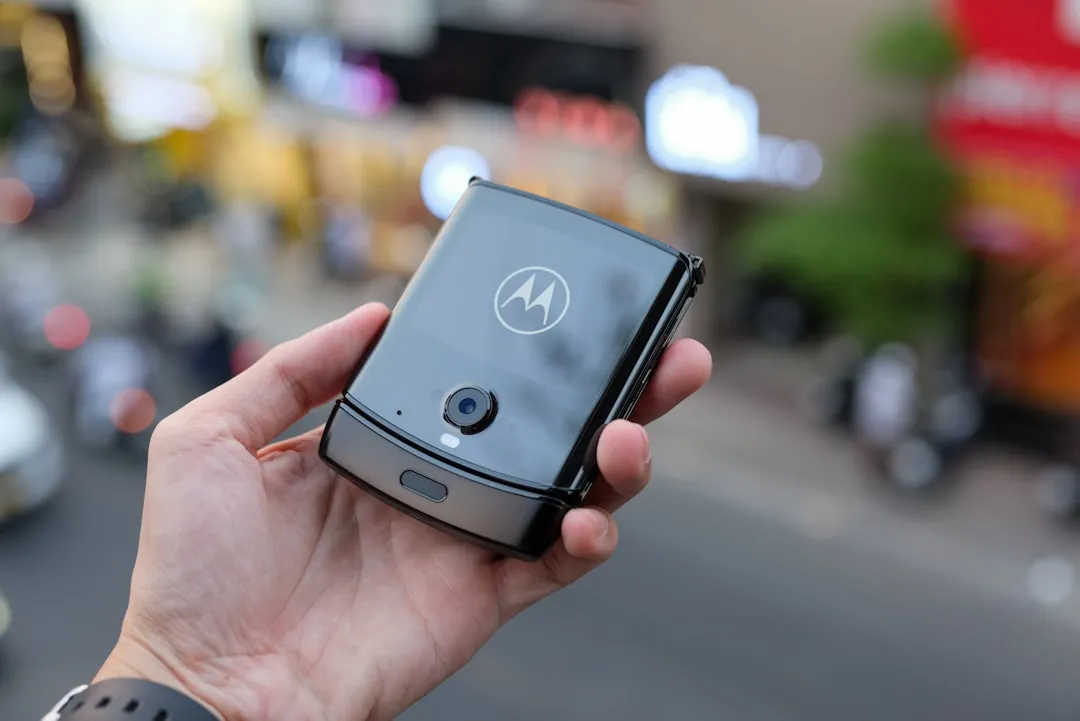
Motorola Razr Carrier Deals: How Free Phone Offers Actually Work
Motorola's 2026 Razr lineup goes on sale today, and US carriers are competing on who can make the sticker prices disappear fastest. Motorola Razr carrier deals hitting stores this week follow a familiar structure: headline "free phone" offers built on 36-month financing agreements that require a premium plan to deliver the credit. Before accepting any of them, the plan math is worth running.
Prices rose across the board. The base Razr now starts at $799, up $100 from last year, while the Razr Plus climbed from $999 to $1,099, The Verge reported three weeks ago. Motorola attributes both increases to a component shortage pushing memory costs higher, Moor Insights & Strategy noted earlier this month. With the new Razr Fold at $1,899, the lineup now spans $799 to $1,899.
Higher retail prices make carrier "savings" look larger on paper. A $1,099 phone offered at no upfront cost reads as a bigger win than a $999 one did last year. The financing structure underneath hasn't changed; only the number at the top has, which is worth keeping in mind as you walk through the offer terms.
What "free" actually means: the mechanics of Motorola Razr US carrier deals
Carrier promotions advertised as free phones are not discounts. They are 36-month device financing agreements where the carrier covers monthly installments with bill credits that stop the moment you leave the qualifying plan, as cellt explained last month.
The plan requirement is where the economics shift. If your natural plan choice would run $60 per month but the qualifying plan costs $95 per month, you're paying an extra $35 monthly to capture the phone credit. Over 36 months, that's $1,260 in additional plan spending to "save" $1,000 on the phone a net loss of $260 before anything else enters the picture, cellt calculated.
Zoomed out to the full three-year window, the gap between buying outright and going BYOD on a budget carrier versus taking a "free" phone on a premium plan can reach $1,421: $1,999 total in the BYOD scenario versus $3,420 under premium-plan financing, according to cellt. The "free" phone is a loan. The expensive plan is how you service it.
Leave early and the math deteriorates quickly. Canceling the line, switching carriers, or downgrading to a cheaper plan stops the credits. For a comparably priced financed device at month 12, that typically means $700 to $900 due immediately, cellt noted.
One important caveat: the specific terms of current Razr promotions which models qualify, whether trade-ins are required, the exact plan tiers involved have not been independently confirmed by the major carriers at publication. The cost structure above reflects how these promotions work as a category. Verify exact terms directly with your carrier before signing.
Why the 2026 Razr lineup is a tricky value argument
The hardware improvements are real but uneven. The 2026 Razr and Razr Plus are evolutionary updates. The base model carries the same dimensions, screen size, resolution, and IP48 water resistance as last year. Its 50MP main camera is unchanged. The gains include MIL-STD-810H durability certification, a battery increase from 4,500mAh to 4,800mAh, and an ultrawide upgrade from 13MP to 50MP, The Verge and Android Police both reported in the past few weeks. The starting price went up $100. Storage dropped from 256GB to 128GB.
The Razr Plus asks $1,099 while still running a two-year-old Snapdragon 8S Gen 3 chipset, The Verge noted. Its most meaningful upgrade is the battery, which grows from 4,000mAh to 4,500mAh using silicon-carbon cell technology a genuine improvement, since silicon-carbon cells pack more energy into the same physical space. A better battery matters. A processor that was mid-range two years ago doesn't do much to justify paying $100 more for it.
Software support deserves attention for anyone considering a 36-month financing deal specifically. Android Police flagged two weeks ago that the base Razr offers only three years of OS updates beyond Android 16 "a bit tight," in the reviewer's words. The review unit also encountered software issues that required a factory reset before testing could continue. A phone whose support window closes at almost the exact moment the financing contract does gives buyers no runway after the deal ends.
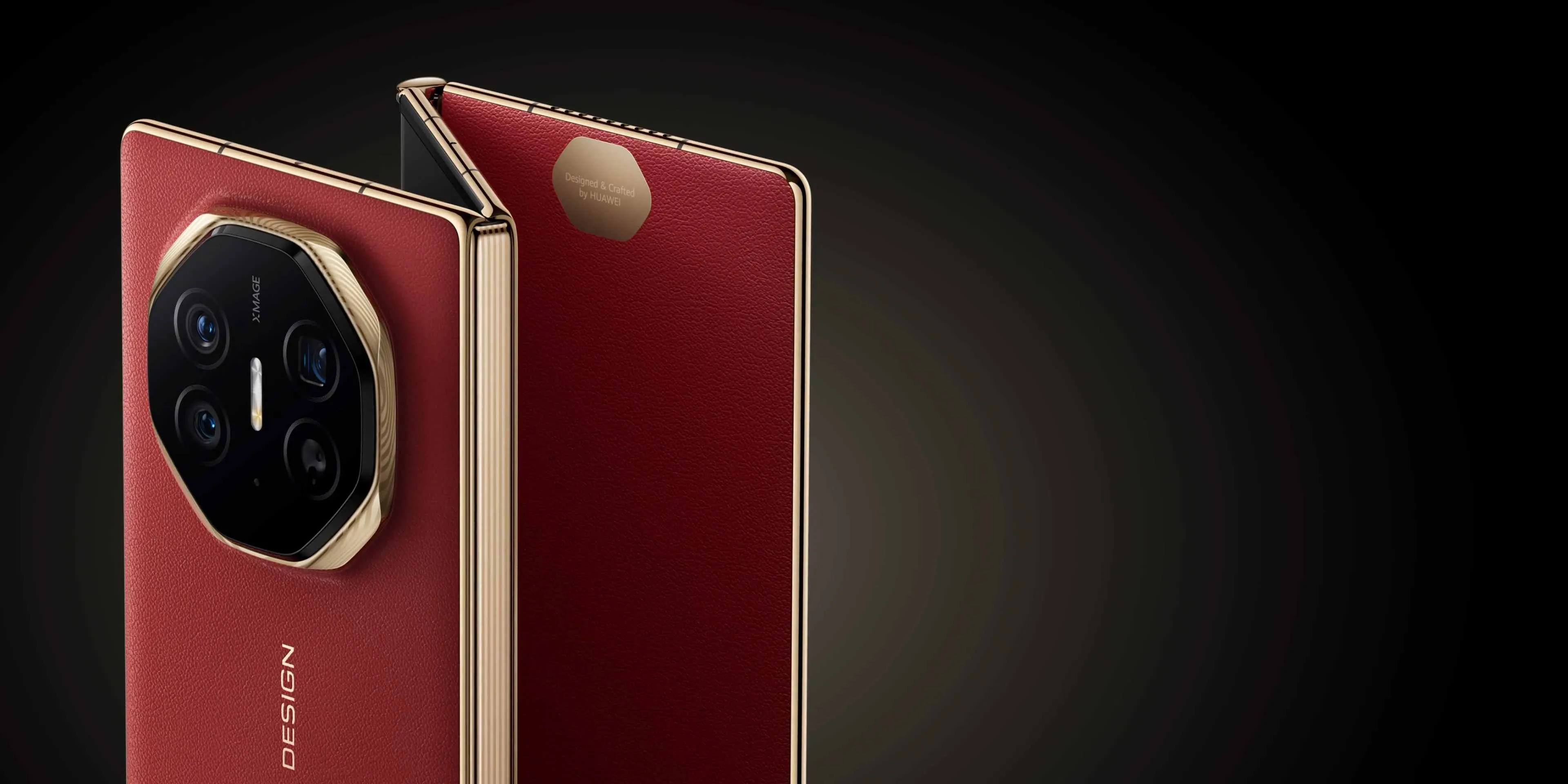
The Razr Fold at $1,899 is a different proposition. It ships with a 6,000mAh battery, a titanium hinge that Motorola claims reduces crease visibility by 30%, and a camera that one analyst at Moor Insights & Strategy placed in the DXOMark top 10 overall and first among foldables though the same analyst suspects Motorola made a chipset compromise to get there, shipping a Snapdragon 8 Gen 5 rather than the top-tier Snapdragon 8 Elite Gen 5, which he noted would make more sense at $1,899.
How to evaluate any Razr deal before you sign
The right question before accepting any promotion isn't "how much am I saving on the phone?" It's "what plan would I pay for anyway, and what does the qualifying plan cost?" If the plan premium exceeds the phone credit over 36 months and the $1,421 gap analysis above shows it often does buying outright and going BYOD is cheaper, cellt concluded.
The math isn't the same for everyone. Someone already on a top-tier unlimited plan gets a genuinely subsidized phone. Someone who would otherwise spend $60 per month is paying $1,260 over three years for a discount that reads as $1,000 on paper. Same offer, very different outcome depending on where you start.
Three questions make the evaluation concrete:
- What plan is required, and what would you pay otherwise? The monthly difference multiplied by 36 is your real cost of "free."
- Is a trade-in mandatory, and do you receive the value upfront or as 36 monthly credits? Credits that stop when you leave the carrier are not the same as cash.
- What is your remaining device balance if you cancel at month 12 or month 24? That number is your exit penalty.
The Razr Fold has genuine differentiation: a 6,000mAh battery, a top-ranked camera, and the Razr family will be the first non-Pixel partner to integrate Google Photos Memories directly into its content feed, Moor Insights & Strategy noted earlier this month. The Razr and Razr Plus cost more than last year for incremental gains and, in the base model's case, less storage. Those three questions will tell you whether any specific carrier offer is worth taking.


Comments
Be the first, drop a comment!