





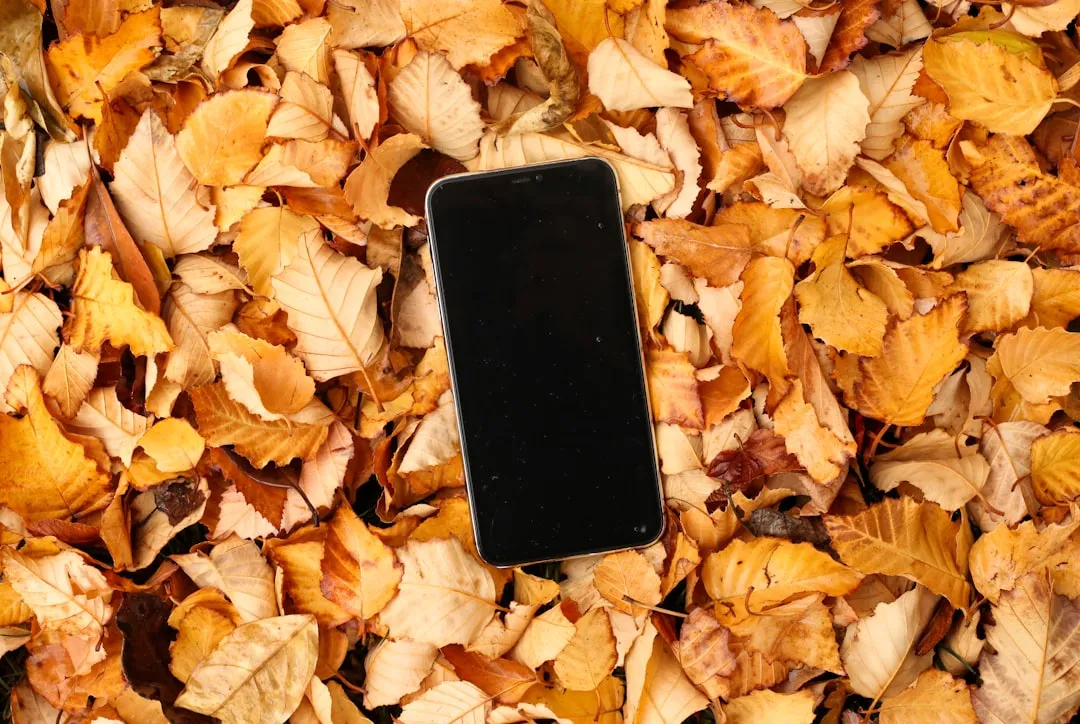
iPhone Air Popularity Explained: Early Usage Data vs. the Flop Narrative
The iPhone Air captured 6.8% of U.S. Speedtest samples during the iPhone 17 launch window in Q4 2025, more than doubling the 2.9% share the iPhone 16 Plus achieved in the comparable period a year earlier, according to Ookla. That comparison cuts against the "flop" narrative that formed around the Air's rank within the iPhone 17 lineup and it's the right benchmark for evaluating what this product was actually supposed to do.
9to5Mac today called the Air a "relative success" on that basis. The qualifier matters. The Air remains the least popular iPhone 17 model by Speedtest share, and judging it against the Pro Max which holds over half the lineup's usage share produces a misleading picture of what Apple was trying to accomplish.
One framing note before the numbers do any work: all adoption figures here come from Ookla's Speedtest sample data, meaning active devices running network speed tests during the launch window. That is not the same as unit sales, shipments, or revenue. Usage share reflects which devices people are actually running, not how many boxes moved off shelves. The evidence supports conclusions about early device adoption, not precise commercial performance.
The benchmark that changes the assessment of iPhone Air sales performance
The failure narrative rests on one observation: the Air ranked last among iPhone 17 models by usage share. That's accurate, and it's also the wrong test.
The more useful question is whether the Air improved on what it replaced and whether it did so without pulling share from Apple's premium tier. On both counts, the Q4 2025 launch-window data is unambiguous. The slot the Plus had occupied sat at 2.9% in 2024. The Air brought it to 6.8%, a gain of nearly 4 percentage points in the lineup's weakest position, per Ookla. These are comparable launch-window samples from consecutive years, not cumulative installed base figures.
The Pro Max held firm. The iPhone 17 Pro Max claimed 55.5% of the Speedtest mix during launch, functionally unchanged from the 56.3% the 16 Pro Max held the prior year, Ookla data shows. The Air's gains came from elsewhere in the lineup. A product in the fourth slot being fourth is not a failure. The question is whether it performs better in that slot than its predecessor and this one does, by a wide margin.
How the Air reshaped Apple's lineup mix
The Air drew its share primarily from the standard Pro tier. The iPhone 17 Pro's Speedtest share dropped from 34.9% to 30.6%, a shift Ookla attributes to the Air's appeal. Ookla's analysis interprets the migration as roughly 4% of launch-window users choosing the Air's slimmer profile over the Pro's telephoto lens and processing headroom a trade-off that simply wasn't available when the only non-Pro alternative was the Plus.
That the Pro absorbed a modest decline without any disruption to the Pro Max is worth noting explicitly. Apple's highest-margin slot stayed put. The share shift moved sideways through the lineup, not upward into the tier Apple most needs to protect.
The base iPhone 17 also gained ground, rising from 5.9% to 7.0%. Ookla connects this partly to the cleaner three-tier structure Standard, Slim, Pro though whether sharper segmentation caused the gain or simply coincided with it is a reasonable distinction the data alone can't resolve.
Here's the Q4 2025 U.S. Speedtest breakdown compared to 2024 launch windows:
- iPhone 17 Pro Max: 55.5% (vs. 56.3% for the 16 Pro Max)
- iPhone 17 Pro: 30.6% (vs. 34.9%)
- iPhone 17 (base): 7.0% (vs. 5.9%)
- iPhone Air / 16 Plus: 6.8% vs. 2.9%
The weakest slot improved substantially, the top tier held, the standard Pro absorbed a modest decline, and the base model grew slightly. That's the distribution Apple's product planners were aiming for.
Where iPhone Air demand was strongest and where it struggled
The 6.8% U.S. figure places the Air in the lower half of Ookla's global adoption table. Several markets ran considerably higher: South Korea led at 11.2%, Japan reached 8.9%, and Singapore came in at 8.4%, according to Ookla. 9to5Mac also noted strong Speedtest share in Sweden, without a specific figure.
That geographic spread matters for the headline argument. If U.S. performance represented the global ceiling, the "weak" label would stick more firmly. Several key markets showed adoption well above the U.S. level, which undermines any claim that demand was uniformly low even if the Ookla data doesn't explain what drove the regional differences.
China was a genuine exception. The Air launched late in that market and came in at low single-digit share during Q4 2025. Counterpoint Research analyst Ivan Lam, cited in a January 9to5Mac report, attributed the slow start to the delayed rollout and the design trade-offs inherent in an ultra-thin device while still characterizing the Air as a significant product with longer-term structural implications for eSIM adoption in the domestic market. No follow-up data shows whether demand recovered once the launch period closed. That gap is worth stating plainly rather than papering over.
On competitive positioning: in the U.S., the Air's 6.8% Speedtest share outpaced the Samsung Galaxy S25 Edge's 2.4% by a 3-to-1 margin, per Ookla. The S25 Edge is the most direct thin-phone rival. Even in South Korea Samsung's home market the S25 Edge's 8.7% Speedtest share trailed the Air's 11.2%. Outside South Korea, Ookla data shows the S25 Edge's adoption was negligible. The comparison doesn't prove broad commercial success, but it does suggest Apple correctly identified a real buyer segment for slim devices and is currently reaching more of them than Samsung is.
What buyers are actually giving up: the modem picture
A persistent objection to thin phones is that the form factor forces component compromises. The Air's modem performance complicates that argument and it connects directly to why the Air's adoption numbers look the way they do.
Ookla's network data shows Apple's C1X achieved real-world parity with Qualcomm's X80 the modem in the iPhone 17 Pro Max on download speeds across most tested markets. Ookla describes the C1X as "a performance equalizer rather than a compromise" for general consumer use, per their analysis. The stronger result is on latency: the Air registered lower latency than the Qualcomm-equipped Pro Max in 19 of 22 analyzed markets, with Ookla identifying responsiveness as the C1X's single biggest improvement over its predecessor.
Upload is a different story. The Pro Max maintained up to a 32% lead in upload speeds, with uplink carrier aggregation remaining an unresolved limitation for Apple's silicon, according to Ookla. For users who regularly push large files or stream live video, that gap is real and shouldn't be minimized.
For most buyers, the trade-off looks like this: download speeds roughly on par with the Pro Max, latency better, uploads meaningfully behind. That's a credible position for a device selling a design premium and it helps explain why buyers who weren't committed to the Pro's camera and processing specs found the Air a viable alternative rather than a compromise.
What the early data actually says about iPhone Air popularity
The Air improved its lineup slot by more than 130% in U.S. Speedtest share from 2.9% to 6.8% without disturbing the Pro Max's dominance and while lifting the base iPhone's share modestly, per Ookla's Q4 2025 data. For anyone searching for a plain-English answer: early usage data shows the Air is considerably more popular than the Plus it replaced, but not a breakout hit across the whole lineup.
The failure verdict requires judging the Air against the Pro Max a device that was never its competitive target. Judging a sedan by whether it outsells the brand's luxury SUV tells you nothing useful about whether the sedan is a good sedan.
The legitimate uncertainties are real. No sell-through data, no margin picture, no evidence demand holds once novelty fades, and China's slow start is unresolved. Q4 2025 is also the only data cycle available.
The Air passed the two tests that matter most in this early dataset: it improved on what it replaced, and it left the premium tier undisturbed. The next data worth watching is whether it holds that position through a full product cycle. Separately, Apple's upload gap remains the clearest engineering gap to close and that race gets harder as flagship Android devices move to Qualcomm's X85, which Ookla notes will likely improve on the X80's peak speeds and efficiency. For now, the Air earned its slot.


Comments
Be the first, drop a comment!