





![for iPhone 18 Pro Case Clear [Not-Yellowing]](https://m.media-amazon.com/images/I/714DZnjreeL._AC_UY218_.jpg)
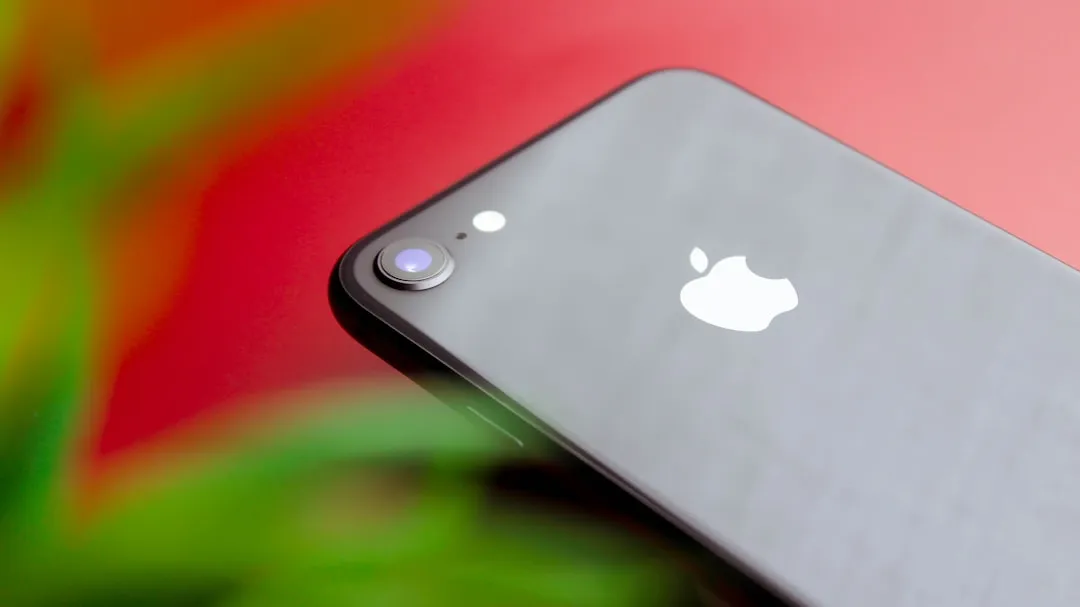
The smartphone landscape is about to get a lot more interesting. Recent leaks surrounding Apple's iPhone 18 Pro have revealed some ambitious plans that could fundamentally shift the competitive dynamic between Apple and Samsung. While Apple appears to be preparing significant technological leaps for its 2026 flagship, reports suggest Samsung may be scaling back its original Galaxy S26 plans in response to Apple's aggressive strategy. The timing couldn't be more critical, as Apple is considering a staggered release approach where only Pro models launch in fall 2026, potentially giving them a clear competitive advantage. With analyst projections showing Apple could gain market share in a declining smartphone market, these iPhone 18 Pro leaks reveal more than just new features—they expose a strategic chess match that could reshape flagship smartphone expectations.
What makes the iPhone 18 Pro leak so significant?
The latest iPhone 18 Pro specifications paint a picture of Apple's most ambitious smartphone upgrade in years. Analyst Jeff Pu has provided detailed specs for the iPhone 18 Pro models expected in September 2026, and the improvements span virtually every aspect of the device. The Pro models will feature 6.3-inch and 6.9-inch displays respectively, maintaining familiar screen sizes while introducing revolutionary changes beneath the surface.
Here's what's really catching attention: Leakers/analysts claim Apple is implementing under-display Face ID that could dramatically reshape the front of the device. We're talking about the biggest design shift since the iPhone X introduced Face ID back in 2017. The engineering challenge of moving Face ID sensors completely under the display while relocating the front camera to a small hole in the top-left corner represents the kind of breakthrough that could create a cleaner, more immersive display experience.
Leaked spec sheets/analysts point to triple 48MP rear cameras and an 18MP front camera. But the real game-changer is variable aperture technology through a mechanical iris system. This gives users manual control over depth of field—something typically reserved for professional cameras. Think about it: you'd be able to adjust how much light hits the sensor, manually controlling that beautiful bokeh effect photographers love.
Beyond the headline features, the engineering foundation promises substantial improvements. Analyst/leak reports say the A20 Pro will be built on TSMC's 2nm process and may use WMCM/wafer-level multi-chip packaging with 12GB LPDDR5. This packaging innovation could deliver superior performance, efficiency, and thermal management compared to traditional chip designs while potentially freeing up internal space for larger batteries.
How is Samsung responding to Apple's strategy?
Samsung's response to these iPhone 18 Pro leaks reveals a company that seems genuinely caught off guard by Apple's aggressive positioning. And honestly, their reaction is pretty surprising for a company that's traditionally pushed hardware boundaries. Samsung has reportedly canceled planned camera upgrades for the Galaxy S26 specifically to compete on pricing rather than innovation. That's a stunning strategic retreat.
Let's break this down: The Galaxy S26 will use the same camera sensors for the fourth consecutive year, featuring a 50MP primary, 12MP ultrawide, and 10MP telephoto setup that dates back to the Galaxy S22. Meanwhile, Apple has transitioned from 12MP to 48MP cameras across its lineup, highlighting a growing capability gap that's becoming harder to ignore.
The broader strategic vision seems to be falling apart under competitive pressure. Reports indicate Samsung has abandoned its "Galaxy S26 Pro" naming strategy after realizing it would represent marketing changes rather than meaningful hardware improvements. The company has also killed its ultra-thin Galaxy S26 Edge concept, reverting to a conventional Galaxy S26+ that offers incremental upgrades over its predecessor.
What's particularly telling is how this shift reverses Samsung's original plans. Samsung originally intended to upgrade the Galaxy S26's camera hardware and increase pricing, but Apple's aggressive approach forced them into damage control rather than innovation leadership.
The technical improvements Samsung is implementing feel more like catch-up than breakthrough innovation. While the Galaxy S26 will feature Qualcomm's new "20-bit triple ISP" with the Snapdragon 8 Elite Gen 5, promising four times the dynamic range of its predecessor, these are primarily software and processing improvements rather than fundamental hardware advances.
Why Apple's timing creates maximum pressure
Apple's rumored release strategy amplifies the competitive pressure on Samsung in ways that seem almost calculated. Reports suggest Apple will launch only iPhone 18 Pro models in September 2026, with the standard iPhone 18 delayed until spring 2027. This means Samsung's Galaxy S26 offerings will face only Apple's most advanced models during the crucial fall launch window.
This eliminates the usual comparison between Samsung's flagships and Apple's more affordable base models. Instead of customers weighing a Galaxy S26 against a standard iPhone 18, they'll be comparing Samsung's entire lineup against only Apple's premium offerings. The staggered release is aimed at encouraging more customers to buy the more expensive Pro models, but it also creates a competitive scenario where Samsung can't rely on undercutting Apple's pricing on entry-level flagship models.
The technological gap becomes even more pronounced when you consider what Apple's bringing to the table. Battery improvements could be substantial, with the iPhone 18 Pro Max potentially featuring a 5,100mAh battery. Combined with Apple's new C2 modem for improved connectivity, these devices could offer substantially better real-world performance than Samsung's offerings.
Apple's confidence in this strategy suggests they believe their technological advantages are compelling enough to justify premium pricing across the board. While the Galaxy S26 is expected to cost less than the iPhone 18 Pro, Apple seems to be betting that features like variable aperture cameras, under-display Face ID, and 2nm processing will make price differences less relevant to consumers seeking cutting-edge capabilities.
The market data supports this confidence. Analysts expect 2% iPhone shipment growth to 250 million units despite an overall 4% smartphone market decline. This growth would increase Apple's market share to 21%, potentially at Samsung's expense if the Galaxy S26 lineup fails to offer compelling differentiation beyond pricing.
What this means for the flagship smartphone market
These iPhone 18 Pro leaks expose fundamental weaknesses in Samsung's flagship strategy that extend way beyond individual product cycles. The pattern we're seeing suggests Samsung is increasingly focused on minimizing risk rather than maximizing opportunity—and that's a concerning shift for a company that built its reputation on pushing boundaries.
Let's talk about innovation versus iteration. Apple's willingness to implement complex technologies like under-display Face ID and variable aperture cameras demonstrates serious confidence in their engineering capabilities and supply chain relationships. These aren't incremental improvements—they're the kind of breakthrough features that typically define new generations of devices. Meanwhile, Samsung's retreat to familiar camera specifications suggests a company prioritizing safe, predictable outcomes over breakthrough features.
Apple is also addressing the broader product experience with thoughtful design refinements. Reports indicate Samsung has been testing new color options and design refinements for the iPhone 18 Pro, including coffee, purple, and burgundy finishes that could refresh the lineup's visual appeal. These aesthetic improvements, combined with substantial technical upgrades, position Apple to capture consumer attention across multiple dimensions.
Samsung's abandonment of its Galaxy S26 Edge concept reveals a company that's struggling to balance innovation with market realities. The Edge concept could have been Samsung's answer to Apple's rumored ultra-thin designs, but instead of pushing through the challenges, they've retreated to safer ground.
The implications extend beyond just these two companies. If Samsung—traditionally one of the most aggressive innovators in smartphone hardware—is pulling back from ambitious projects, it raises questions about where meaningful innovation will come from in the Android ecosystem. Other manufacturers typically follow Samsung and Apple's lead rather than setting new directions themselves.
Bottom line: we're witnessing a shift in smartphone competition where meaningful innovation increasingly separates market leaders from followers. Apple's integrated hardware and software advantages are becoming even more pronounced as technical complexity increases, and Samsung's conservative response suggests they may not have clear answers for competing at this level.
The bigger picture: innovation vs. iteration
The iPhone 18 Pro leaks reveal something deeper than just new features or competitive positioning—they expose a fundamental shift in how these companies approach innovation and risk. Apple's aggressive timeline and feature set suggest a company that's willing to bet big on complex engineering challenges, while Samsung appears increasingly focused on managing expectations rather than exceeding them.
This divergence couldn't come at a worse time for Samsung's competitive prospects. The smartphone market is becoming more demanding, not less, and consumers are expecting meaningful improvements that justify the premium pricing of flagship devices. Apple's plan to use TSMC's Wafer-Level Multi-Chip Module packaging technology, integrating RAM directly onto the chip wafer, represents exactly the kind of technical innovation that could define the next generation of mobile computing.
Apple's approach is particularly compelling because they're addressing real user pain points while pushing technical boundaries. Variable aperture cameras aren't just a spec sheet improvement—they offer genuine creative control that photographers and content creators have been requesting for years. Under-display Face ID solves the longstanding design compromise of the Dynamic Island while maintaining security standards. These aren't features for the sake of features; they're thoughtful solutions to genuine limitations.
Samsung's strategic retreats suggest a company that's lost confidence in its ability to leapfrog the competition through hardware innovation. The decision to maintain four-year-old camera specifications while Apple advances to variable aperture systems speaks to fundamentally different philosophies about product development and market leadership.
Perhaps most concerning for Samsung is how this conservative approach could become self-reinforcing. If the Galaxy S26 lineup fails to capture market imagination, it becomes harder to justify the R&D investments needed for breakthrough features in future generations. Apple, conversely, can use iPhone 18 Pro success to fund even more ambitious projects for subsequent releases.
The smartphone landscape in 2026 could look very different than today, with Apple's integrated hardware and software advantages becoming even more difficult for competitors to match. These iPhone 18 Pro leaks suggest we're not just looking at new phones—we're witnessing the emergence of a more stratified market where true innovation commands premium positioning, and iterative improvements struggle to justify flagship pricing.








Comments
Be the first, drop a comment!