





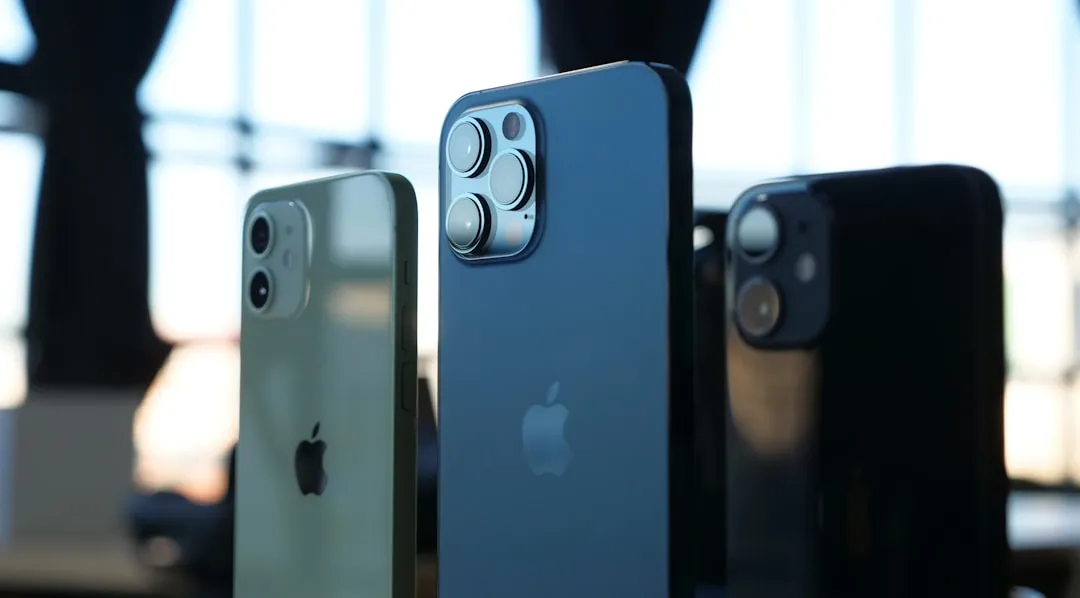
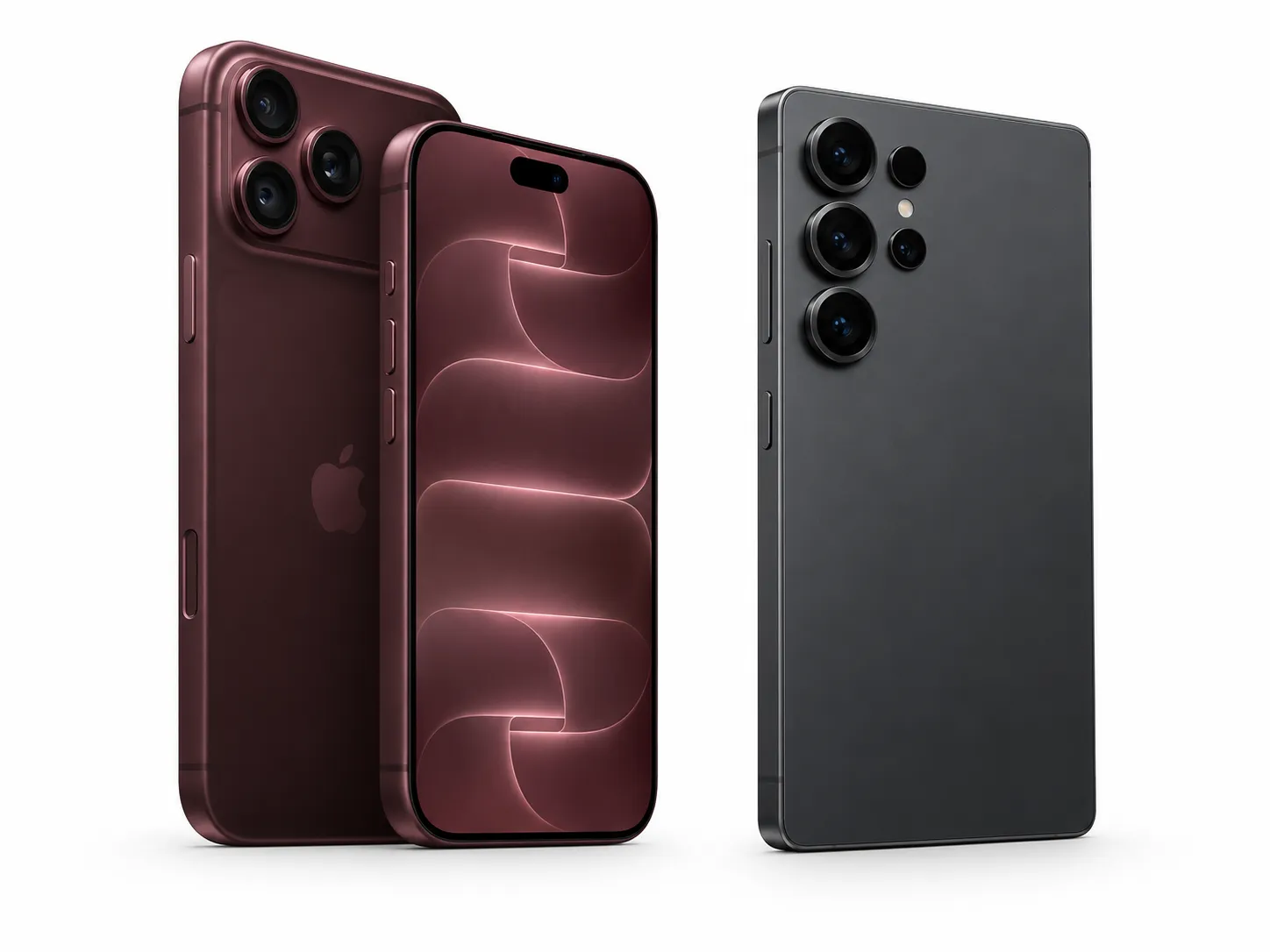
The iPhone 17 was the world's best-selling smartphone model in Q1 2026, taking 6% of global unit sales, according to Counterpoint Research's Global Handset Model Sales Tracker. Apple also took the next two model slots with the iPhone 17 Pro Max and iPhone 17 Pro, while the top 10 smartphones together accounted for 25% of global sales. Separately, Counterpoint said Apple led the global smartphone market by vendor shipments in Q1 2026, with 21% share and 5% year-over-year growth, as memory shortages and weaker demand pressured the broader market.
One clarification worth making upfront: Counterpoint's model ranking and vendor ranking measure different things. The iPhone 17 result refers to a single handset model's share of global unit sales, while Apple's vendor lead refers to total iPhone shipments across the company's lineup.
The model ranking also shows how concentrated the market became. Counterpoint said the iPhone 17, iPhone 17 Pro Max, and iPhone 17 Pro took the top three spots, while Samsung's Galaxy A series supplied five of the top 10 entries. The Galaxy A07 4G was the best-selling Android phone, Xiaomi's Redmi A5 ranked tenth, and Samsung's Galaxy S26 Ultra landed just outside the top 10 despite stronger early sales than its predecessor.
What the Q1 numbers show: iPhone 17 led, and Apple won Counterpoint's vendor ranking
The vendor breakdown was stark in Counterpoint's shipment report: Apple posted 21% global shipment share and 5% growth, making it the only top-five vendor to grow in that dataset. Samsung finished second at 20% share but fell 6%, hurt by weak mass-market demand and the delayed launch of the Galaxy S26 family, per Counterpoint Research via 9to5Mac.
IDC's global tracker told a slightly different vendor-share story, ranking Samsung narrowly ahead of Apple in Q1 2026. That makes the distinction important: the iPhone 17 model ranking is a Counterpoint model-sales finding, while Apple's vendor lead is specific to Counterpoint's shipment dataset.
The Android picture was more mixed at model level. Samsung's top-10 presence came entirely from Galaxy A-series phones, not its flagship line, while Xiaomi's only top-10 entry was the Redmi A5. That matters because the same memory-cost pressures that hurt low-margin Android portfolios also helped concentrate sales around a smaller number of high-volume models.
The broader point is that differentiated or premium-leaning brands had more room to withstand component pressure than vendors relying heavily on price-sensitive volume.
Why Apple and the iPhone 17 gained ground in Q1 2026
Counterpoint attributed Apple's Q1 performance to three interlocking drivers: strong demand for the iPhone 17 series, proactive supply chain management that helped Apple secure memory components while rivals were constrained, and aggressive trade-in programs that lowered the upgrade barrier for existing iPhone owners, heise online reported.
Geography added to the picture. Counterpoint noted gains in key Asia-Pacific markets including India alongside iPhone 17 demand and trade-in activity, broadening Apple's growth base beyond its established strongholds, per 9to5Mac. India is a market where Apple has historically held thin share against price-competitive Android brands, so growth there during a quarter when those Android brands were squeezed says something about where Apple's expansion headroom actually is.
On the component side, Counterpoint analyst Jain was direct: "The shortage of memory chips and rising costs have impacted the price-sensitive segments the most, such as entry- and mid-range devices, which are most exposed to such demand and supply pressures," heise online reported. Apple's premium concentration kept it out of exactly that tier.
The supply-chain angle matters because memory costs hit price-sensitive devices hardest. Counterpoint's framing suggests Apple benefited from premium pricing, stronger demand for the iPhone 17 series, and better access to constrained components, while lower-margin Android portfolios had less room to absorb higher costs.
China: Apple's fastest growth rate, Huawei's market lead
Apple grew 33.3% year-over-year in China in Q1 2026, the fastest rate among the top five vendors in the country, even as the market contracted 3.3% to roughly 69 million units, IDC reported in April 2026. The market shrank, and Apple's shipments expanded by a third. IDC said rising memory and component costs constrained supply and pushed vendors to prioritize higher-end models.
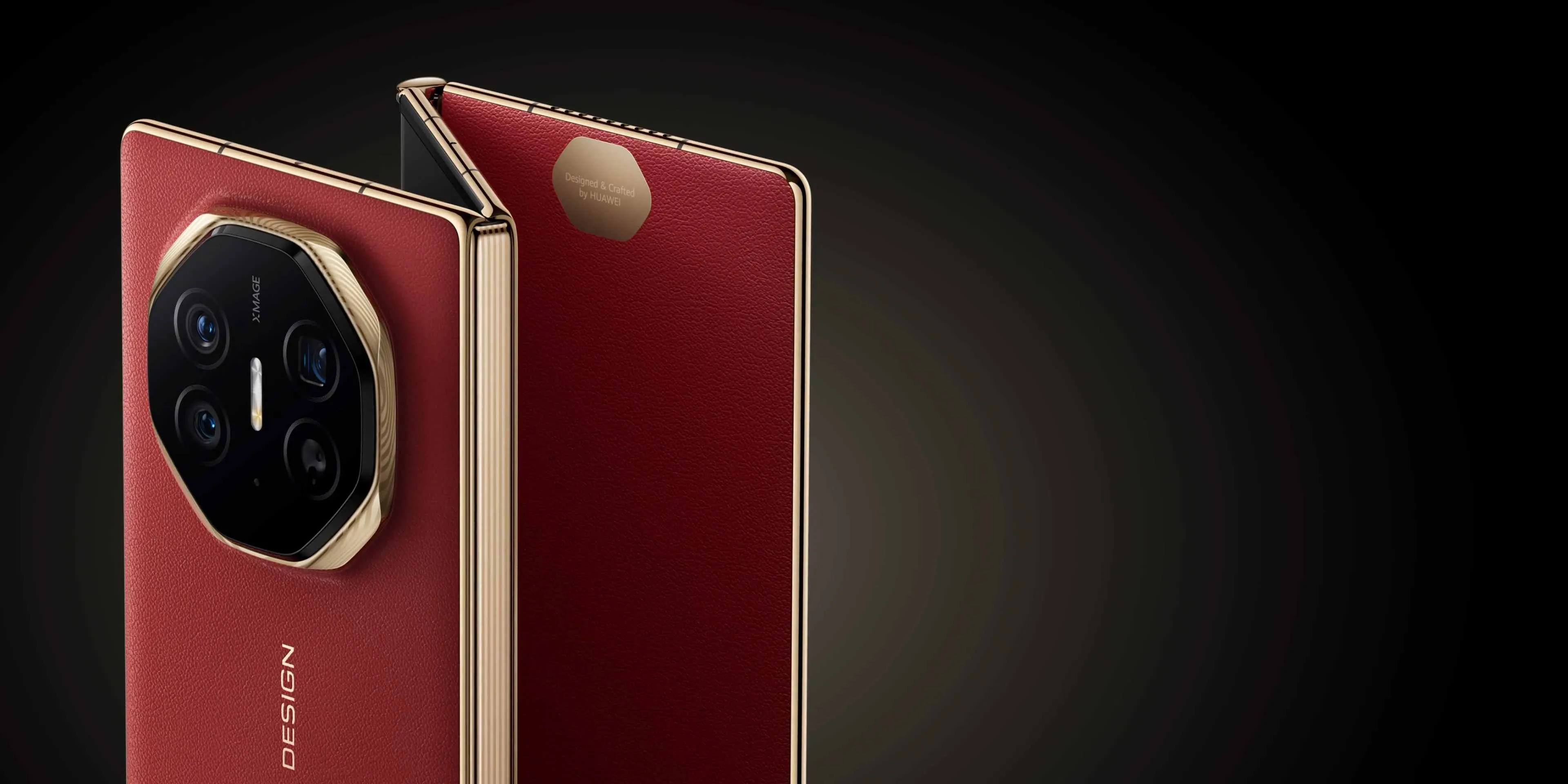
Huawei retained the lead in China, while IDC said the foldable Pura X exceeded 1.5 million shipments in the quarter and helped support premium demand. Premium demand held in China, but it held for Huawei too. IDC senior research manager Will Wong said China's smartphone market is moving into a phase where "profitability matters more than shipment growth," with vendors reducing low-end exposure and focusing on premium segments to protect margins.
What the China data adds to the global picture is a second, independent validation of the premium-resilience thesis. Both Apple and Huawei gained ground in a market where overall volumes fell. The vendors that struggled were those with heavier exposure to mid- and entry-tier devices. That pattern holds across both the Chinese domestic market and the global vendor rankings, which suggests the dynamic isn't regional noise. It's structural.
What the memory shortage could mean beyond Q1 2026
Counterpoint's outlook points to continued pressure through 2026, with memory constraints expected to keep pushing manufacturers toward higher-value devices rather than low-margin volume. That helps explain why the Q1 model ranking favored Apple's iPhone 17 line and Samsung's higher-volume Galaxy A models, while also making refurbished devices more important for budget buyers.
Longer-term growth is increasingly expected to come from software, ecosystem expansion, and services rather than hardware shipment volumes, per 9to5Mac. That framing shifts the competitive question from who ships the most units to who has the most to sell once the hardware is in a customer's hands. IDC's China data lands in the same place, with profitability displacing shipment volume as the industry's organizing metric, IDC noted.
Q1 is one quarter. Later Android flagship launches could change the model rankings in subsequent quarters, and Counterpoint noted that the Galaxy S26 Ultra narrowly missed the Q1 top 10 despite stronger initial sales than its predecessor. Whether Apple holds its top position in later 2026 rankings remains an open question. What Q1 suggests is what can happen when component scarcity raises costs and puts a premium on supply-chain execution: brands with pricing power, loyal upgrade bases, and portfolios less exposed to the lowest-margin segments have more room to maneuver. Apple had those advantages in Q1 2026, and the numbers show where that gap opened up.


Comments
Be the first, drop a comment!