



![ZORSOME Compatible with Huawei Mate XT Hinged Case,Leather + PC Edge Frame All-Inclusive Shockproof Full-Body Protective Magnetic Hinge Cover[Lens Protection][Kickstand] (Red)](https://m.media-amazon.com/images/I/61NhA5S3iFL._AC_UY218_.jpg)


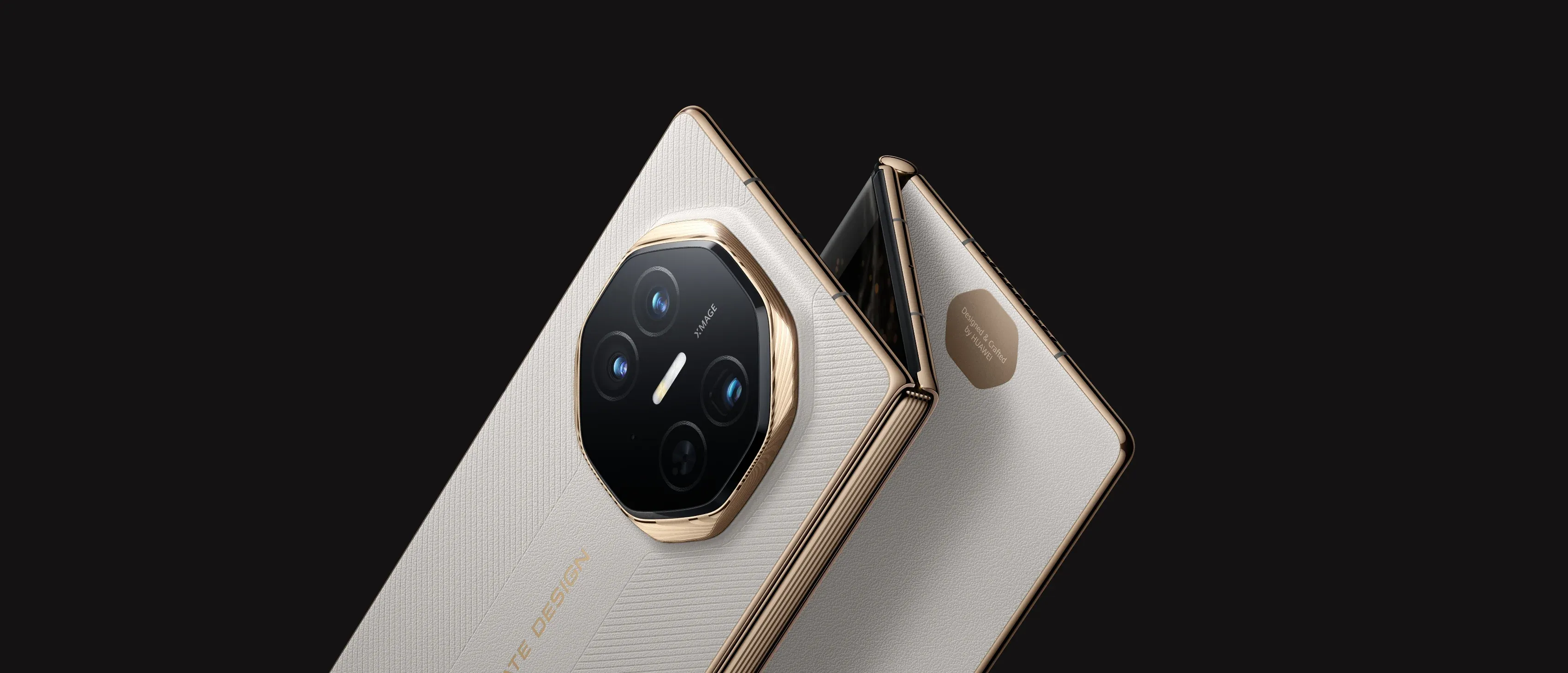
A surfaced Huawei vertical tri-fold phone patent points to something more consequential than a single filing: Huawei appears to be treating the Mate XT not as a finished product line but as an engineering platform, with a vertical folding axis as the next stress test. Where the Mate XT folds horizontally to open into a wide tablet slab, a vertical tri-fold would collapse a tall display into a compact, phone-shaped rectangle. That is a different ergonomic proposition entirely, and the distinction matters more than any patent claim.
The strategic backdrop deserves immediate context. The global foldables market had its 2024 shipment forecast cut in half, from roughly 30 million units to 15 million, with software that fails to exploit larger screens and persistent durability concerns identified as the primary causes, according to analyst Ming-Chi Kuo. Huawei is filing patents for more mechanically complex folding hardware inside a category that is actively contracting. That tension is the story.
What the Huawei vertical tri-fold phone patent direction implies
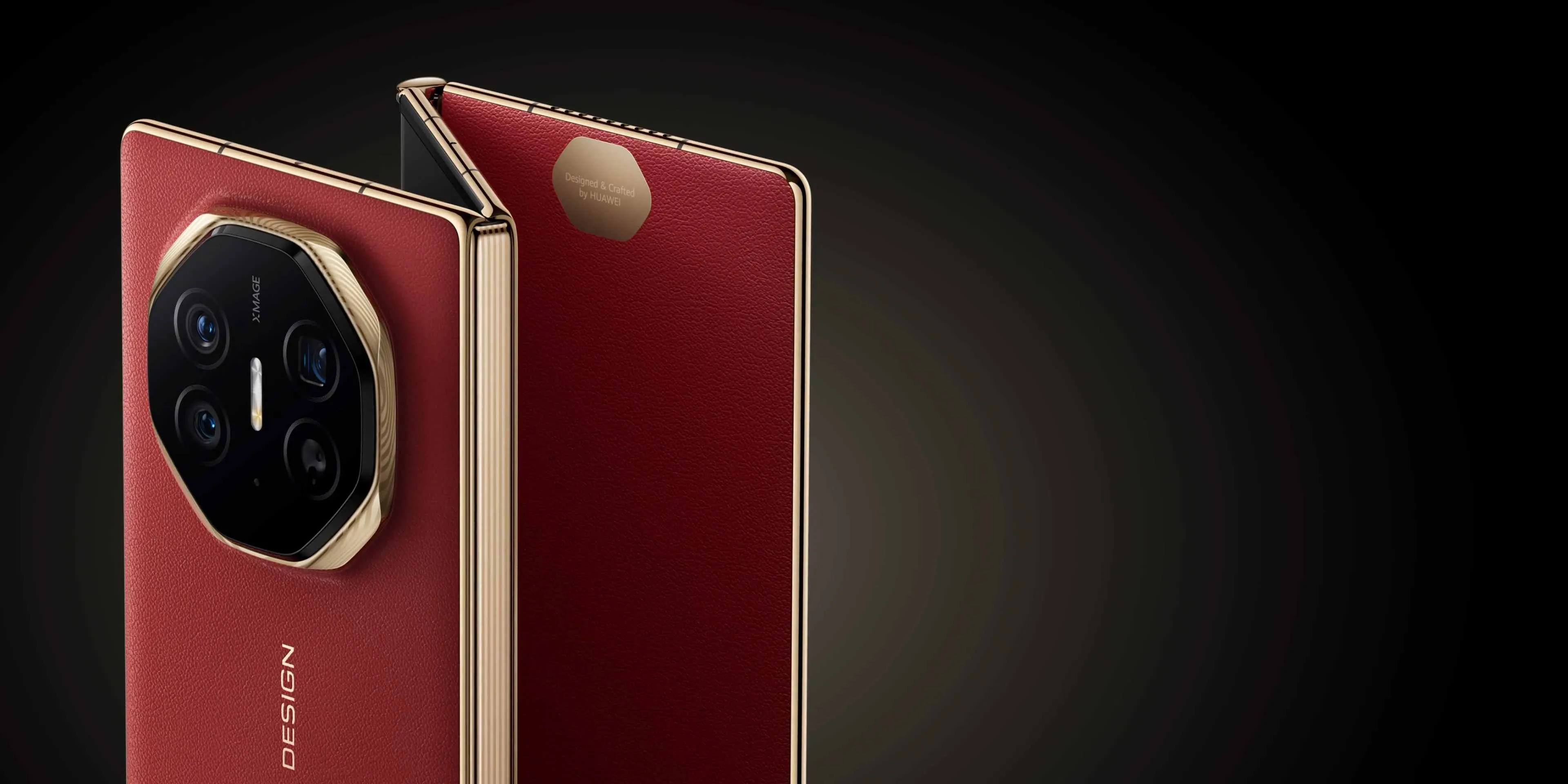
The Mate XT established the horizontal template: a 10.2-inch OLED display at 2232 x 3184 resolution that spreads wide and competes with entry-level tablets on screen area, but constrains single-hand use and pocket practicality in exchange, per Trusted Reviews. A vertical tri-fold would trade that raw screen real estate for a display extending in height rather than width, with a folded footprint closer to a standard phone.
That tradeoff addresses a criticism no wide-format foldable has fully answered. Opening a phone sideways into a small tablet changes the grip, the reach, and the one-handed usability in ways many users reject. A tall, narrow display is closer to how people already hold phones. The folded form factor would look more familiar in a pocket than the Mate XT's wide profile.
The engineering challenge is not trivial. The Mate XT demonstrated three distinct usage states: a 6.4-inch phone mode, a 7.9-inch dual-panel intermediate view, and the full 10.2-inch tablet configuration, according to Trusted Reviews. A vertical architecture requires solving the same multi-state software problem on a completely different aspect ratio. Vertical intermediate states have no established app ecosystem to design around, whereas the Mate XT's horizontal intermediate mode at least resembles the book-style foldables developers already target. Harder, not lateral.
Mate XT hardware: what Huawei proved, and what remains unsolved
The Mate XT's physical execution is a credible reference point. Despite housing two hinge mechanisms and a 5600mAh battery, the device closes to 12.8mm, only about half a millimeter thicker than Samsung's Galaxy Z Fold 6, while reaching just 3.6mm at its thinnest unfolded sections, per Trusted Reviews. That's a real engineering result. It's what makes a vertical tri-fold look like a plausible next step rather than an exercise in IP accumulation.
The shortfalls are equally concrete. The Mate XT carries no IP rating for water or dust resistance and ships with a bundled case designed to protect an exposed portion of screen, per Trusted Reviews. Kuo identified durability as "the biggest concern" for foldables broadly. More hinge surfaces and more crease exposure compound that problem. The Mate XT already weighs 298g; additional fold mechanisms don't move that number in a useful direction.
Software is arguably the harder problem. Three usage states only justify themselves if applications adapt meaningfully across each configuration. Kuo flagged software that doesn't fully exploit larger screen real estate as a central driver of the foldables market's contraction. The Mate XT ships with HarmonyOS 4.2, but available sources don't evaluate how well it handles multi-state layout optimization across all three configurations. A vertical variant would add another distinct aspect ratio to that same unsolved burden.
Why Huawei's competitive position makes this bet hard to avoid
Kuo's analysis frames the strategic logic plainly. With processor performance lagging behind competitors, Huawei's ability to differentiate in the high-end market is constrained, so the company has positioned tri-fold form factor leadership as its flagship strategy instead. The Mate XT runs a 7nm Kirin 9010 chip while most competing Android flagships that year shipped on 3nm-class processes. The gap is wide enough that winning on benchmark performance wasn't an option.
The uncontested nature of the tri-fold space matters to that logic. At the time of the Mate XT's launch, no other Android manufacturer had announced plans to ship a tri-fold device. A vertical patent extends Huawei's positional lead before rivals even finish analyzing the horizontal version.
Consumer interest in the Mate XT was genuine enough to shift Kuo's numbers. The 2024 shipment forecast was revised upward from 500,000 to 1 million units before launch. Kuo flagged the more important question in the same breath: Huawei flagship models have historically seen demand drop sharply after initial release, and whether the Mate XT could sustain early enthusiasm was the key variable. A doubled pre-launch forecast tells you the curiosity is real. It says nothing about month seven.
There's a broader structural problem for the category. Lower profit margins on foldables have dampened other manufacturers' motivation to develop and market them. For most Android brands, foldables are optional. For Huawei, operating with limited options in the conventional flagship tier, they may be the only remaining vector for premium differentiation. That asymmetry explains the continued investment.
What to watch next
The useful signals here aren't in the patent drawings. Watch whether HarmonyOS updates begin handling multiple aspect ratios more explicitly; that software investment would convert additional fold configurations from engineering demonstrations into practical use cases. Watch also for any Huawei hardware announcement that borrows the vertical clamshell language already established by flip-phone foldables, which would suggest the patent reflects an active prototype direction rather than exploratory filing.
The core tension hasn't moved. The foldables market halved its own 2024 growth forecast precisely because hardware ambition has consistently outpaced software usefulness and physical durability, per Kuo. A vertical tri-fold adds mechanical complexity to both unsolved problems. Kuo's analysis positions Huawei as the manufacturer with both the motive and the demonstrated capability to push this direction, which makes the patent worth taking seriously. Whether there is a durable market waiting for it, in a category still struggling to convert the curious into committed buyers, is the question the filing leaves entirely open.






Comments
Be the first, drop a comment!