





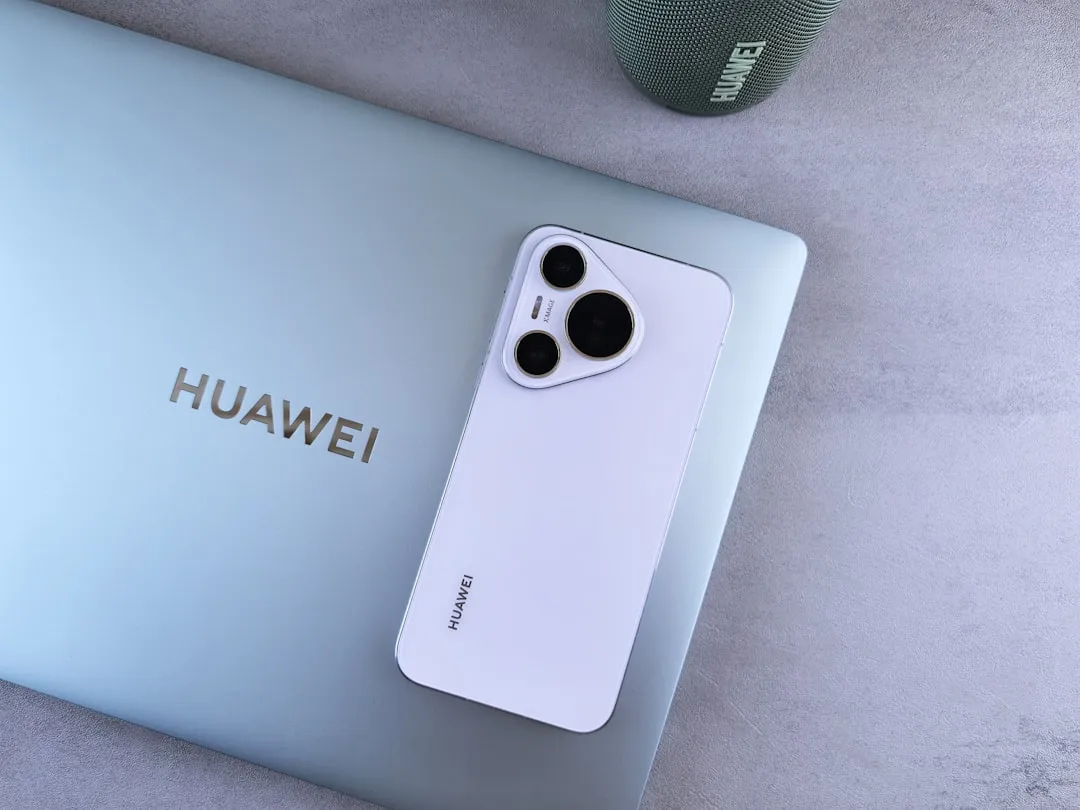
The foldable phone market has been steadily maturing over the past few years, and while Samsung and Motorola are high-profile players in clamshell foldables — Motorola has recently expanded its market share, one manufacturer has been quietly experimenting with a radically different approach. Huawei's first-generation Pura X flip phone turned heads not for following industry norms, but for boldly ignoring them—featuring a compact / square cover display (≈3.5-inch, ~980×980) and an unconventional internal 16:10 aspect ratio and unconventional aspect ratios that puzzled and intrigued users in equal measure. Now, fresh leaks suggest the company is preparing to launch a successor that addresses some of the original's quirks while doubling down on its distinctive design philosophy. The Pura X2, if rumors hold true, could represent Huawei's attempt to refine its unconventional vision and carve out a unique space in an increasingly crowded foldable landscape.
What made the original Pura X so unusual?
The first-generation Huawei Pura X stood apart from competitors through design choices that seemed almost deliberately contrarian. While most flip-style foldables from Samsung and Motorola opted for wider cover screens that could handle basic tasks comfortably, Huawei's approach favored a dramatically narrower display that limited functionality in ways many reviewers found frustrating. The internal screen's aspect ratio also diverged from industry standards, creating a viewing experience that felt distinctly different from what users had come to expect from foldable devices.
This wasn't simply about being different for difference's sake—Huawei appeared to be exploring whether alternative form factors might offer advantages in portability or one-handed use, even if it meant sacrificing some conventional usability. The result was a device that sparked genuine debate about whether innovation meant following established patterns or challenging them entirely. You either appreciated the bold experimentation or found yourself wishing Huawei had just stuck with what works.
That polarization matters because it highlights the exact tightrope the Pura X2 must walk: evolve enough to address legitimate usability concerns without abandoning the distinctive identity that made the original interesting in the first place.
How the Pura X2 might address early criticisms
According to recent leaks, the upcoming Pura X2 appears poised to tackle the most common complaints about its predecessor while maintaining the design's core identity. The cover screen is reportedly receiving significant attention in the redesign, with changes aimed at improving everyday usability without abandoning the narrow profile that defined the original. It's a delicate balancing act—make it too conventional and you lose what made the device interesting in the first place, but don't evolve enough and you risk repeating the same mistakes.
Similarly, the internal display is expected to feature adjustments to its aspect ratio, potentially making it more practical for standard smartphone tasks like messaging, browsing, and video consumption. These modifications suggest Huawei has been listening to user feedback and market response, attempting to strike a better balance between distinctive design and practical functionality.
The challenge will be whether these refinements go far enough to win over skeptics who found the first generation too compromised, or if the Pura X2 will remain a niche product for users who prioritize uniqueness over convention. From what we can tell from the leaks, Huawei seems to be threading that needle by maintaining design differentiation while addressing the most common friction points—messaging and quick interactions—that made the original's narrow screen feel limiting in daily use.
The broader context of cover screen evolution
The Pura X2's reported changes arrive at a fascinating moment in foldable phone development, as manufacturers continue experimenting with cover screen size and functionality. Industry trends have generally moved toward larger, more capable external displays that can handle an increasing range of tasks without requiring users to unfold their devices constantly. This evolution reflects manufacturers have been increasing cover-screen capability — a response that suggests users value quick interactions on external screens, reserving the larger internal display for more immersive activities.
Here's the thing—when you're constantly unfolding your phone just to check a text message or glance at a notification, the whole appeal of having a compact foldable starts to diminish. That practical reality is exactly why we've seen this race toward bigger, more functional cover screens across the industry, and why the original Pura X's narrow display felt like it was working against rather than with typical usage patterns.
Huawei's approach with the Pura X2 will test whether there's still room in the market for alternative philosophies, or if consumer preferences have decisively shifted toward the larger-cover-screen paradigm. The answer could influence not just Huawei's future foldable strategy, but also signal to other manufacturers whether design experimentation still has value in an increasingly standardized product category. It's one of those moments where a single device might tell us something important about where the entire category is heading—whether there are genuinely different ways to solve the foldable form factor, or if the industry has already converged on the optimal solution.
What to expect from specs and positioning
While detailed specifications remain scarce, the Pura X2 will likely need to compete on more than just its unconventional design to gain traction in today's competitive foldable market. Processing power, camera capabilities, battery life, and software optimization have become table stakes for premium foldable devices, and any significant shortcomings in these areas could undermine whatever advantages the unique form factor might offer. You might be willing to overlook a quirky aspect ratio if the cameras are stellar and the battery lasts all day, but not if the device struggles with basic performance or can't match competitors on core smartphone fundamentals.
Pricing will prove particularly critical—if Huawei positions the Pura X2 as a premium flagship, it will face direct comparison with well-established competitors that have refined their designs over multiple generations. That's tough territory, especially when those competitors have brand recognition and proven track records. Alternatively, a more aggressive pricing strategy could help the device find an audience among users curious about foldables but hesitant to invest in more expensive mainstream options.
The broader question is whether Huawei can leverage its distinctive approach into a genuine competitive advantage, or if the Pura X2 will remain a fascinating footnote in foldable phone history. Bottom line: unique design gets you attention, but it doesn't guarantee sales—especially when buyers are weighing that distinctiveness against refined alternatives that might simply work better for everyday use.
Where does unconventional design fit in foldables' future?
The Pura X2's impending launch raises fundamental questions about innovation and standardization in the foldable phone market. As the technology matures and manufacturers converge on similar design solutions, devices that deliberately diverge from established patterns face an increasingly difficult path to mainstream acceptance. It's a pattern we've seen play out in tech repeatedly—think of how wildly experimental smartphone designs gave way to the now-universal glass rectangle, or how various tablet form factors ultimately converged around iPad-like dimensions once the market matured.
Yet this standardization also creates opportunities for products that genuinely solve problems differently or appeal to specific user preferences that dominant designs overlook. Huawei's willingness to iterate on its unconventional approach, rather than simply copying successful competitors, suggests the company believes there's value in exploring alternative possibilities even if they don't immediately capture mass-market appeal.
Whether the Pura X2 succeeds commercially or not, its existence serves as a reminder that innovation sometimes requires challenging assumptions about what users want—even when conventional wisdom suggests a safer path. For those of us who follow this space closely, that kind of experimentation keeps the foldable category interesting and ensures we haven't seen the final form these devices might take. And honestly? In a market where most devices are starting to look remarkably similar, that willingness to be different is worth something in itself—even if it means the Pura X2 remains more of a conversation starter than a sales leader.






Comments
Be the first, drop a comment!