




The Mobile World Congress always delivers surprises, but Honor's latest creation stands out as something truly unprecedented in smartphone design. This isn't just another flagship with incremental camera improvements—it's a device that fundamentally reimagines how smartphones capture content through its integrated three-axis motorized gimbal system that actively tracks subjects.
At first glance, you might mistake it for a concept device that will never see commercial release. The mechanical complexity alone raises questions about durability, battery life, and everyday practicality. But spending time with Honor's robot phone reveals a device that could potentially transform mobile content creation if it ships as planned, even if it comes with significant tradeoffs that potential users need to understand.
The engineering challenges behind integrating a full gimbal system into a smartphone form factor are staggering. We're talking about precision motors, ball bearings, and control algorithms all working together in a package that still needs to function as your daily driver phone.
What makes this gimbal system actually different?
The mechanical engineering behind Honor's robot phone represents a departure from traditional smartphone camera stabilization. While most flagship devices rely on electronic image stabilization (EIS) or optical image stabilization (OIS) that work within the confines of a static camera module, this system physically moves the entire camera assembly across three axes.
Traditional smartphone stabilization happens within extremely tight physical constraints. Your iPhone or Galaxy phone might shift the camera sensor by fractions of a millimeter to compensate for hand shake. Honor's system operates on an entirely different scale, with the camera module capable of rotating and tilting through much larger ranges of motion.
The tracking capabilities extend beyond simple stabilization to active subject following, using AI-powered recognition to maintain focus on moving targets. This creates possibilities for hands-free content creation that would typically require external gimbal accessories or dedicated camera operators.
The precision required for this system to work smoothly is remarkable. The motors need to respond to tracking algorithms in real-time while maintaining perfect balance and avoiding any jerky movements that would ruin video footage. It's the kind of engineering challenge that explains why few manufacturers have attempted this level of integration this level of integration.
However, the mechanical complexity introduces potential failure points that don't exist in conventional smartphones. The motor systems, precision bearings, and moving components represent a significant departure from the sealed, solid-state design philosophy that has dominated smartphone engineering for the past decade.
How does this compare to existing camera-focused flagships?
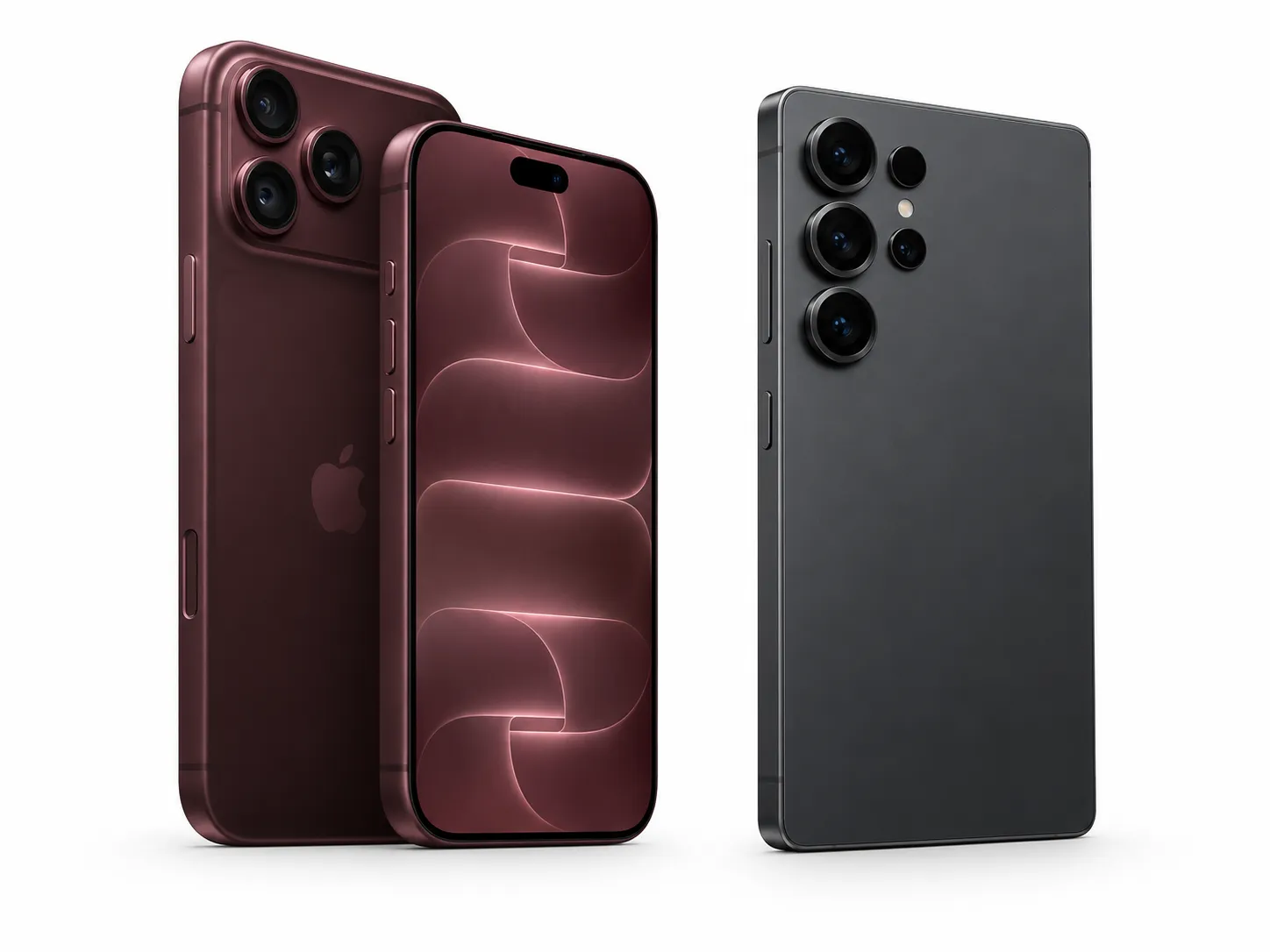
Current camera-centric smartphones like the iPhone Pro series, Samsung Galaxy Ultra models, and Google Pixel flagships achieve impressive stabilization through computational photography and traditional OIS systems. These approaches prioritize reliability and battery efficiency while delivering professional-quality results for most users.
The established approach has clear advantages in terms of proven reliability and power efficiency. Computational photography improvements over recent years have been genuinely impressive, enabling phones to capture photos and videos that would have required professional equipment just a few years ago.
Honor's mechanical approach sacrifices some of that proven reliability for capabilities that simply aren't achievable with static camera systems. The ability to automatically track subjects while maintaining perfect framing opens up creative possibilities that extend far beyond what computational photography alone can accomplish.
For content creators who currently carry separate gimbal accessories, this integration could eliminate significant equipment overhead. Anyone who has tried to manage a smartphone gimbal alongside other content creation gear will immediately understand the appeal of having this functionality built directly into the device.
The critical question becomes whether the unique capabilities justify the additional complexity and potential durability concerns compared to the reliability advantages of conventional smartphone camera systems.
What are the real-world implications for creators and everyday users?
The practical applications for this technology span from casual social media content to professional video production. Vloggers and content creators could benefit significantly from hands-free tracking capabilities, especially for solo content creation where traditional camera operation becomes challenging.
Consider the specific scenarios where this makes a real difference: educational content where you need to move around while presenting, product demonstrations that require showing items from different angles, or fitness videos where you're actively moving throughout the recording. The phone's ability to automatically maintain framing eliminates the need for a camera operator or multiple static shots.
The system's AI-powered subject recognition raises important considerations about data processing and user control. For the tracking to work effectively, the phone must continuously analyze video input to identify and follow subjects, which has implications for battery consumption and privacy management.
Device weight and power consumption represent practical concerns that could impact daily usability. The motorized gimbal system requires additional power beyond typical smartphone operations, and the mechanical components necessarily add bulk compared to conventional flagship devices.
PRO TIP: Before considering this device, honestly evaluate your content creation needs. The gimbal functionality is impressive, but if your primary use cases are standard photography and occasional video calls, the additional complexity might not provide enough value to justify the tradeoffs.
Where does smartphone innovation go from here?
Honor's robot phone represents bold experimentation that challenges current industry assumptions about smartphone design philosophy. For years, the trend has been toward fewer moving parts, better sealing, and integration of functions into solid-state components. This device argues that mechanical complexity can be worthwhile when the functionality gains are substantial enough.
The integration of complex mechanical systems into smartphones opens possibilities that extend beyond camera functionality into areas like adaptive displays, environmental sensing, and interactive interfaces. We could see future devices that physically adapt to different use cases in ways that aren't possible with current static designs.
This serves as a proof of concept for what becomes possible when manufacturers move beyond incremental improvements to fundamental design reconsideration. Whether this specific approach gains widespread adoption matters less than the innovation precedent it establishes for the industry.
The market response to this device will likely influence how other manufacturers approach the balance between mechanical complexity and user experience in future flagship development. Success could inspire more experimentation with moving components, while market rejection might reinforce the industry's preference for electronic solutions.
The bottom line: innovation with serious tradeoffs
Honor's robot phone succeeds in creating something genuinely unique in a smartphone market often criticized for lack of meaningful innovation. The three-axis gimbal system delivers capabilities that simply aren't available through traditional smartphone camera designs, opening up new possibilities for mobile content creation.
The fundamental question isn't whether this technology is impressive—it clearly demonstrates remarkable engineering. The question is whether enough users will find the unique capabilities valuable enough to accept the potential tradeoffs in durability, battery life, and device complexity that come with integrating mechanical systems into smartphones.
This device represents a philosophical shift in smartphone design priorities. Instead of optimizing for reliability and simplicity above all else, Honor is testing whether users are ready for devices that offer distinctive capabilities even when they introduce additional complexity.
For the smartphone industry, devices like this play a crucial role in exploring possibilities beyond current design paradigms that have dominated flagship development. Whether you're interested in purchasing this specific device or not, this kind of bold experimentation provides valuable insights that help push the entire industry forward toward new possibilities we haven't yet imagined.


Comments
Be the first, drop a comment!