



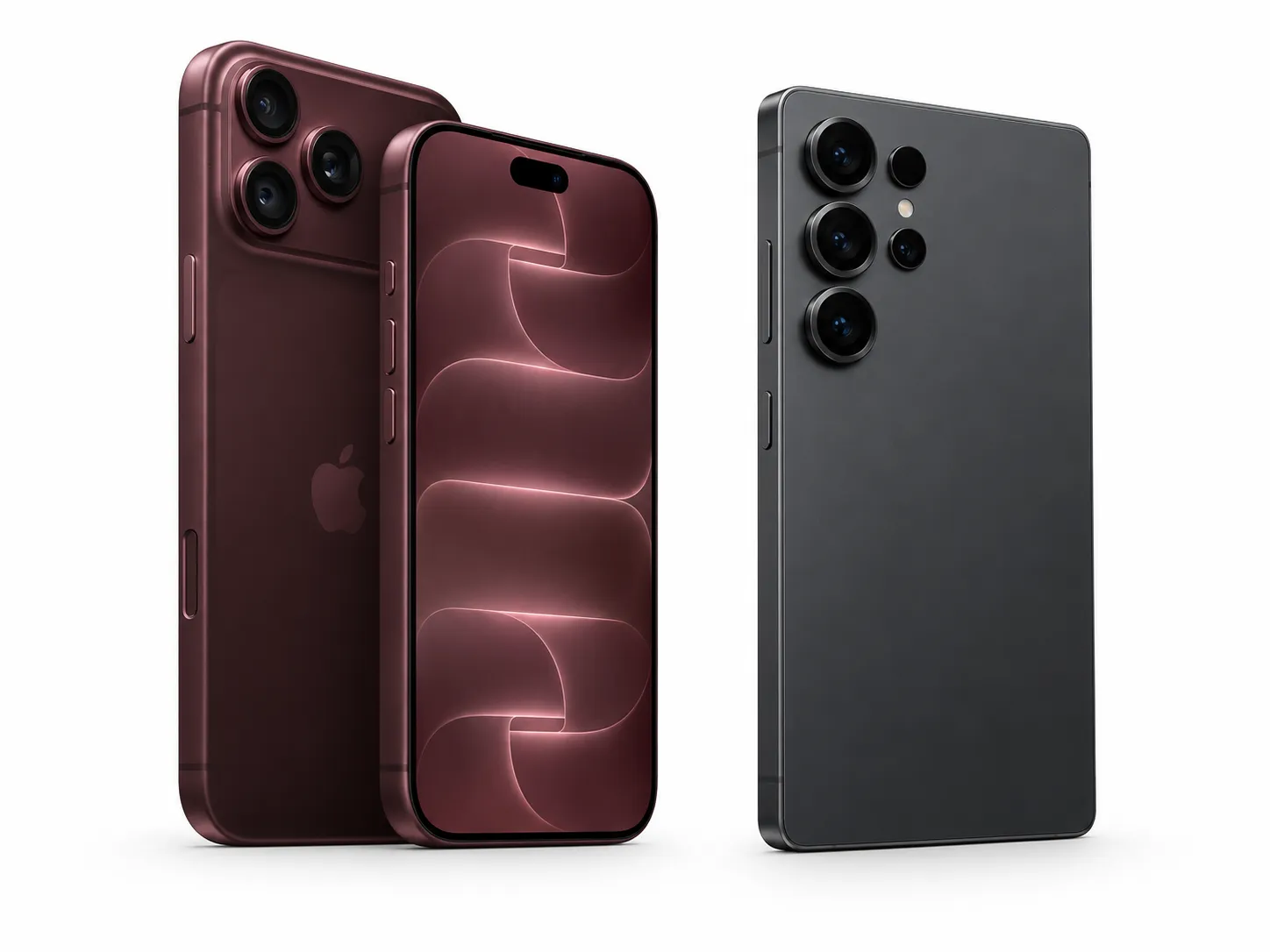
The Galaxy S26 Ultra has me questioning everything I thought I knew about Android flagships. As someone who's been firmly planted in Google's ecosystem for years, I never expected to find myself envious of Samsung's latest offering. Yet here we are, and the reasons might surprise you.
Don't get me wrong—I've been a Pixel devotee since the beginning. There's something pure about Google's vision: clean Android, computational photography magic, and that "just works" philosophy that keeps me coming back. But lately, I've been watching Samsung's trajectory with growing interest, and the S26 Ultra represents everything that's making me reconsider my loyalties.
What struck me first wasn't the typical spec sheet comparison—it was holding the device and realizing how many assumptions I'd made about what Samsung prioritizes in their flagship experience. After two weeks of hands-on testing alongside my Pixel 8 Pro, the differences have become impossible to ignore.
What Samsung got right this time around
The hardware story alone is compelling enough to make any tech enthusiast take notice. While Google continues to play it safe with incremental improvements, Samsung has been pushing boundaries in ways that feel genuinely innovative rather than gimmicky.
Let's break it down: the display technology represents a significant leap forward, offering improvements in both brightness and color accuracy that appears significantly improved based on my testing. During my daily outdoor usage tests, the screen remained perfectly readable even in direct sunlight situations where my Pixel struggled. Battery optimization has reached new heights, delivering consistent 8-9 hour screen-on time even under heavy usage scenarios that would have previous generations begging for a charger by afternoon.
Perhaps most impressively, the camera system has evolved beyond the megapixel wars into something that actually enhances the photography experience. In head-to-head shooting sessions, I found Samsung's approach to portrait mode processing and low-light detail retention matched or exceeded what I'm used to from Pixel's computational photography.
What strikes me most is how Samsung has managed to pack all this technology into a device that doesn't feel overwhelming. The integration feels thoughtful rather than thrown together—addressing my longstanding criticism of previous Galaxy devices that seemed more focused on feature count than user experience. When hardware improvements actually translate to noticeable daily benefits like faster charging speeds and more responsive touch input, that's when you know a company has moved beyond the specification game.
The build quality and attention to detail have reached a level where holding the device feels like interacting with a premium tool rather than just another smartphone. It's the kind of refinement that eliminates the small friction points you didn't realize were bothering you with other devices.
Where Pixel suddenly feels behind
This is the part that stings as a longtime Google fan. Areas where Pixel once dominated now feel like they're lagging behind Samsung's relentless innovation cycle, and it's happening faster than I expected.
The computational photography that made Pixel famous still works well, but it's no longer the clear winner it once was. Samsung's approach to AI-enhanced imaging has caught up and, in some scenarios, surpassed what Google offers. Testing both phones in challenging lighting conditions, I found Samsung's camera consistently captured more detail in shadows while maintaining better color balance in mixed lighting situations.
Software update promises remain strong for Pixel, but Samsung's commitment has significantly improved, narrowing what was once a major advantage. When both companies are offering similar long-term support timelines, Pixel loses one of its biggest differentiators.
Performance optimization, once a Pixel strength thanks to tight hardware-software integration, now feels less distinctive when Samsung's devices run just as smoothly with more powerful hardware underneath. The pure Android experience that drew many to Pixel is still appealing, but Samsung's One UI has matured into something that feels less intrusive and more genuinely useful.
What's particularly noticeable is Google's slower hardware innovation cycle. While Samsung pushes forward with new display technologies, battery improvements, and camera innovations, Pixel updates have started feeling more evolutionary than revolutionary. In the premium flagship space, standing still starts to feel like moving backward when your competition is making bigger leaps.
The ecosystem advantage I didn't see coming
Perhaps the most surprising aspect of my Galaxy S26 Ultra envy centers around ecosystem integration. Samsung has quietly built something that rivals what Apple offers, and it's making Google's ecosystem feel incomplete by comparison.
The seamless connection between Galaxy devices, from smartphones to tablets to earbuds, creates a user experience that feels more cohesive than what I get with my Pixel and other Android accessories. Testing this with Galaxy Buds Pro and a Galaxy Tab, I experienced the kind of integration where devices anticipate what you need rather than requiring manual connection each time.
Samsung's approach to cross-device functionality has evolved beyond simple connectivity into genuine productivity enhancement. Starting a document on the phone and seamlessly continuing on a tablet happens automatically, while earbuds intelligently switch between devices based on what you're actively using. Multi-device workflows that once required workarounds now happen without conscious effort.
The integration with Samsung's broader hardware lineup offers conveniences that Google simply can't match without manufacturing their own complete ecosystem. Features like universal clipboard and seamless audio switching work more reliably than Google's alternatives, which often feel like afterthoughts rather than core features.
Here's what surprised me most: Samsung's ecosystem doesn't feel locked down like Apple's approach, but it also doesn't feel fragmented like the broader Android ecosystem often can. They've found a sweet spot between openness and integration that transforms how you interact with technology throughout your day. When your devices work together this smoothly, you start using them differently, with tasks that felt cumbersome becoming natural parts of your workflow.
What this means for the Android landscape
My personal device envy reflects broader shifts in the Android ecosystem that extend beyond individual preferences. Samsung's evolution represents a maturation of Android hardware that's reshaping competitive dynamics across the market.
The gap between "pure" Android and manufacturer customizations has narrowed significantly, with Samsung's approach now feeling more like enhancement rather than replacement. One UI has evolved into something that adds value without sacrificing the core Android experience that many of us prefer—a far cry from the heavy, intrusive software overlays Samsung was known for years ago.
Innovation cycles have shifted, with hardware manufacturers like Samsung often leading in areas where Google once set the pace. This role reversal has been gradual but undeniable. Google built Android's foundation and continues to drive software innovation, but Samsung is increasingly defining what flagship Android devices can accomplish in terms of hardware capability and ecosystem integration.
Consumer expectations for flagship Android devices have evolved beyond software purity toward comprehensive feature sets and ecosystem integration. The market has matured to the point where "stock Android" alone isn't enough to differentiate a device. Users want Android's openness combined with Apple-level polish and cross-device functionality.
This competitive intensity is pushing other manufacturers to elevate their game as well. Everyone's responding with improved long-term software support, better ecosystem integration, and more thoughtful hardware-software optimization. The result is a rising tide that benefits all Android users, regardless of which brand they choose.
Where do we go from here?
My Galaxy S26 Ultra envy has taught me something important about technology loyalty and the danger of staying too comfortable with familiar choices. While I'm not ready to abandon Pixel entirely, this experience has opened my eyes to how quickly the mobile landscape can shift.
The competition between Samsung and Google ultimately drives innovation that benefits everyone using Android devices. When Samsung pushes forward with display technology, Google responds with software innovations. When Google advances computational photography, Samsung develops new hardware approaches to imaging. This back-and-forth creates a dynamic that makes the entire ecosystem stronger.
Samsung's recent improvements push Google to innovate beyond their traditional strengths, while Google's software expertise continues to influence how all Android manufacturers approach user experience. The ecosystem wars are intensifying, creating more compelling options for consumers willing to explore beyond their comfort zones, though this also means potentially deeper integration with specific brands' hardware lineups.
PRO TIP: If you're feeling similar device envy, consider what specifically draws you to the alternative. Is it hardware capabilities, software features, ecosystem integration, or something else entirely? Understanding the root of your interest can help inform whether it's worth making a switch or waiting to see how your current platform responds.
The bottom line is this: sometimes the best thing that can happen to your tech preferences is having them challenged by genuinely impressive alternatives. My Pixel loyalty isn't disappearing overnight, but my Galaxy S26 Ultra envy has reminded me why staying curious about the competition makes us all better technology users.
Whether I ultimately make the switch or not, this experience has made me a more informed participant in the Android ecosystem. In a market where innovation happens quickly and competitive advantages shift faster than ever, maintaining an open mind about alternatives isn't just smart—it's essential for anyone who wants to make the most of their mobile technology investment.


Comments
Be the first, drop a comment!