




Dreame Technology unveiled a line of premium smartphones at AWE 2026 in Shanghai in March, marking the most visible signal yet that the robot vacuum brand is pushing toward something bigger than home appliances. To be precise: unveiled, not launched. No pricing has been announced, no launch markets confirmed, no independent reviews exist. These phones were shown at a trade event, and whether they ship at a meaningful commercial scale in 2026 is still an open question.
That caveat matters, but it doesn't diminish the story. The Dreame smartphone launch is significant not because the company suddenly became a phone maker, but because of what it suggests about the direction Dreame is pushing. Founded in 2015 as part of the Xiaomi Ecological Chain, Dreame has been systematically expanding from vacuums into hair tools, air purifiers, lawnmowers, refrigerators, and televisions. A smartphone fits that expansion pattern, though whether it represents the natural endpoint or an overreach is precisely what the rest of 2026 will test.
Dreame smartphone launch details: what the AURORA line includes
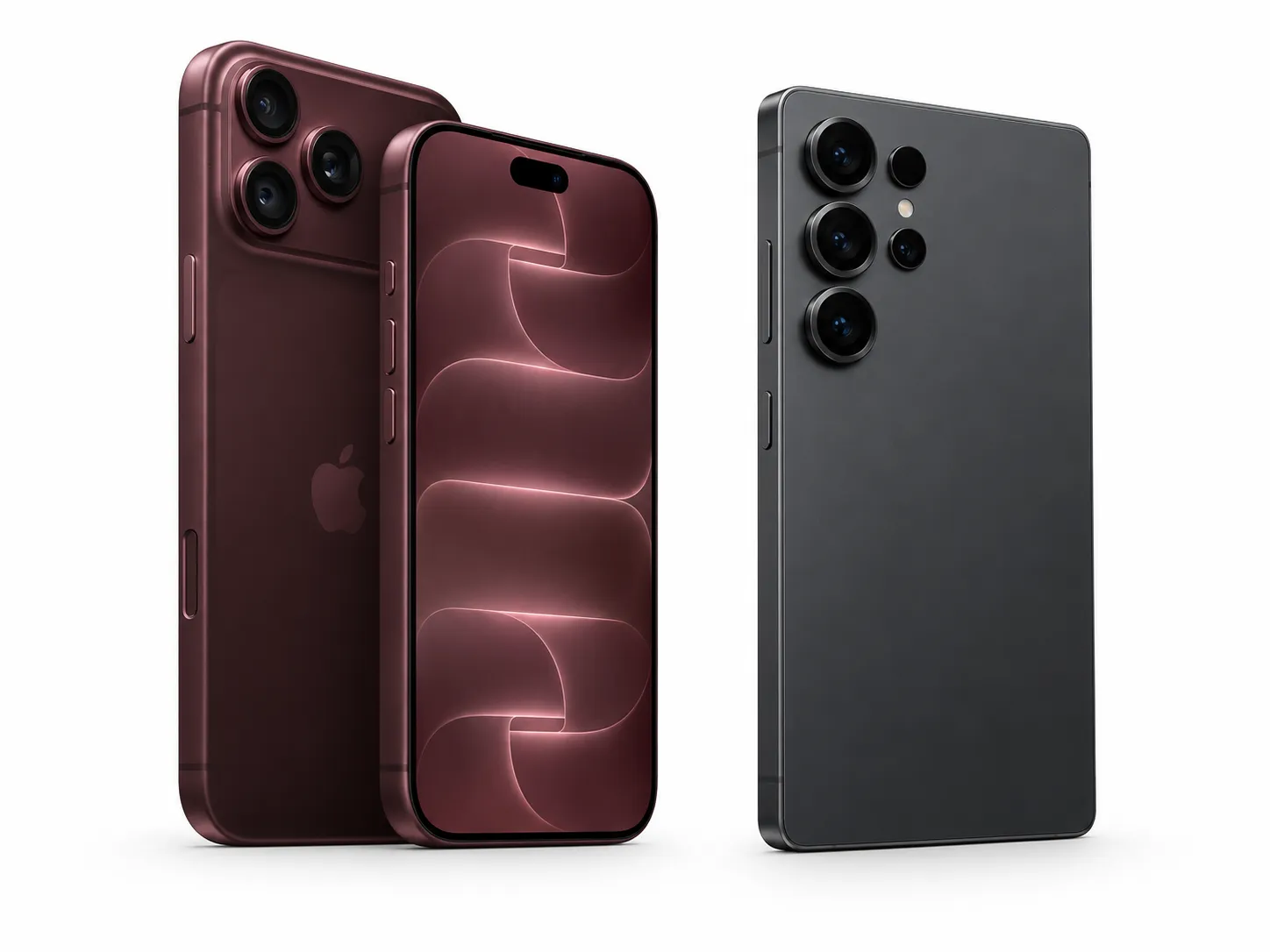
Dreame introduced two distinct tiers at AWE 2026. The AURORA LUX Series covers 29 models blending what the company calls luxury and technology. The headline device is the NEX LS1, described by Dreame as "the world's first modular triple-camera imaging flagship smartphone," per Dreame's press release from March.
Twenty-nine models are an unusually broad opening slate for a new entrant. Most brands building toward a premium position lead with one or two devices and expand from there. Launching with a full range suggests Dreame is trying to establish a presence across price points from the start, though the company has not confirmed its pricing structure or distribution approach for the LUX Series.
The NEX LS1's defining feature is a magnetically attachable external camera module carrying a 1-inch sensor and a native 115mm optical telephoto lens. Dreame claims the combination approaches mirrorless camera performance. By May 1, the AURORA line's capabilities were described more expansively as including full-focal-range 200-megapixel imaging and advanced signal capture, according to Dreame's Silicon Valley event announcement. None of these claims has been independently tested or benchmarked.
Dreame also announced AURORA AIOS 1.0, a proprietary operating system that has completed internal testing and is scheduled for release in the second half of 2026, exclusively on AURORA devices. To back the entire effort, the company committed to investing more than RMB 10 billion (approximately $1.38 billion) in smartphone R&D over three years, with plans to grow its engineering headcount to 5,000 by 2027, more than 70% of them in R&D roles, per the AWE announcement.
What the announcement doesn't include: pricing, confirmed retail or carrier channels, chipset and battery specifications, software support timelines, or any evidence of manufacturing partnerships. The AURORA story, as it stands today, is almost entirely Dreame-authored.
Why a vacuum company would do this: the ecosystem context
The smartphone push makes more sense alongside what Dreame has been building across its broader product range. At CES 2026 in January, the company announced a "Whole-home Smart Ecosystem" spanning six product categories: cleaning, climate, cooking, personal care, outdoor maintenance, and entertainment. Every product in the lineup connects to a single unified app. Scheduling a robot vacuum and adjusting an air purifier happen in the same interface.
Two months after CES, Dreame took over an entire exhibition hall at AWE 2026 in Shanghai to showcase more than 100 new technologies across eight product zones under the theme "ALL IN DREAME." This week, a company announcement concluding a four-day Silicon Valley showcase confirmed the personal device tier had expanded further to include smart rings, pendants, watches, and glasses alongside the AURORA smartphones, according to Dreame's own announcement.
The Xiaomi comparison is instructive, and Dreame's origins make it more than a coincidence. Xiaomi is an investor in Dreame, though not its parent company, per Mashable. Xiaomi also followed a recognizable trajectory: start with strong hardware in one category, expand methodically into adjacent ones, then introduce a smartphone to anchor the entire product family. A customer already running the Dreame app to manage a vacuum, air purifier, and lawnmower is an obvious candidate for a Dreame-branded phone running the same ecosystem natively. Whether consumers actually follow that logic, particularly in markets where brand trust around personal devices takes years to build, is a separate matter.
Dreame's commercial foundation is stronger than a trade-show-heavy brand might suggest. The company claims the leading robot vacuum market share across 18 countries, with a share above 50% in several, according to The Gadgeteer. In the U.S., products are available through more than 175 Target locations and major online retailers, including Amazon, Best Buy, and Walmart, alongside brick-and-mortar stores in California and New Jersey, according to Mashable. In Southeast Asia, Dreame leads smart cleaning sales on Shopee and has used that foothold to push into broader home appliance categories in Singapore, Malaysia, Vietnam, and Thailand. That's a real commercial base with real distribution. The expo presence reflects it rather than substitutes for it.
Why becoming a phone company is harder than it looks
Vacuums and smartphones are not adjacent categories. A robot vacuum needs good hardware, strong mapping software, and a reliable app. A smartphone needs all of that, plus a mature operating system, years of software update support, a chipset partner, carrier relationships, an app ecosystem, and consumer trust in a device that holds personal data and functions as a primary communication tool. Dreame has demonstrated it can win on hardware. None of the rest has been demonstrated yet.
The modular camera concept is genuinely interesting and genuinely difficult. Sony Ericsson's modular Cybershot phones, Moto Mods, and a string of similar ideas have surfaced repeatedly over the years and consistently failed to gain mainstream traction. Add-on camera modules require consumers to carry extra hardware, remember to attach it, and accept a degraded primary camera experience when they don't. The concept appeals strongly at trade shows and poorly in daily use.
The competitive tier Dreame is targeting makes the challenge steeper. Apple and Samsung dominate the global premium market. Xiaomi, Oppo, Vivo, and Huawei have each spent a decade building camera systems, software ecosystems, and regional distribution in exactly the markets Dreame would need to enter. Dreame's Xiaomi connection is an advantage in supply chain familiarity, but Xiaomi is also a direct competitor.
AURORA AIOS adds another layer of risk. A proprietary OS means Dreame either builds Android compatibility into it or asks consumers to accept a more limited app environment. Neither path is simple. What AIOS actually is, an Android fork, an Android alternative, or something else entirely, has not been described in any publicly available detail. That's a significant gap for a platform scheduled to ship within the year.
What to watch before drawing conclusions
Three developments will determine whether this story becomes a business or remains a very expensive trade-show circuit.
First: does AURORA AIOS 1.0 actually ship in the second half of 2026 as promised, and what does independent coverage reveal about its software depth and app compatibility, per the committed timeline?
Second: does Dreame announce confirmed retail or carrier partnerships, particularly in Western markets, or do the AURORA phones remain available only through direct and e-commerce channels? That distinction matters considerably for premium positioning.
Third: when the first independent camera benchmarks and hands-on reviews arrive, do the NEX LS1's imaging claims hold? Dreame collected more than 50 awards at CES 2026 across its expanded product range, according to Mashable. Hardware awards at trade shows and verified performance in real-world conditions are not the same credentials.
Dreame has earned the right to be taken seriously as a hardware company. Whether it has earned the right to be taken seriously as a phone company is a question the rest of 2026 will start to answer.


Comments
Be the first, drop a comment!