



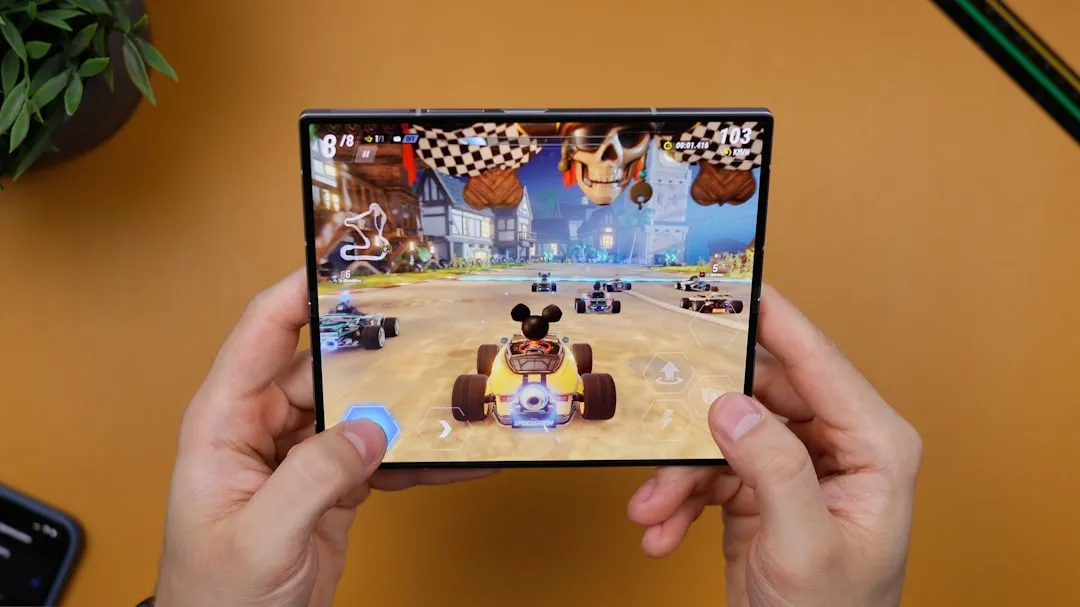
The foldable smartphone market is approaching a major milestone that few saw coming just a couple years ago. For the first time, book-style foldables—those larger, tablet-like devices that unfold horizontally—are poised to significantly outsell their clamshell counterparts in 2026. Research from Counterpoint indicates that manufacturers are betting heavily on productivity-focused designs, marking a clear shift away from the compact flip phones that initially popularized the category. This isn't just about form factor preferences; it's a signal that the foldable segment is maturing into something more strategic for OEMs like Samsung and Google. Book-style devices held 52% of the market in 2025, according to Counterpoint Research, but projections suggest that share will jump to 65% by the end of 2026. Meanwhile, industry analysis from Mordor Intelligence shows book-style models commanded 62% of revenue in 2024, underscoring their premium positioning. The real question: are manufacturers chasing higher margins, or have users genuinely found book-style devices more useful?
Why book-style foldables are winning the productivity argument
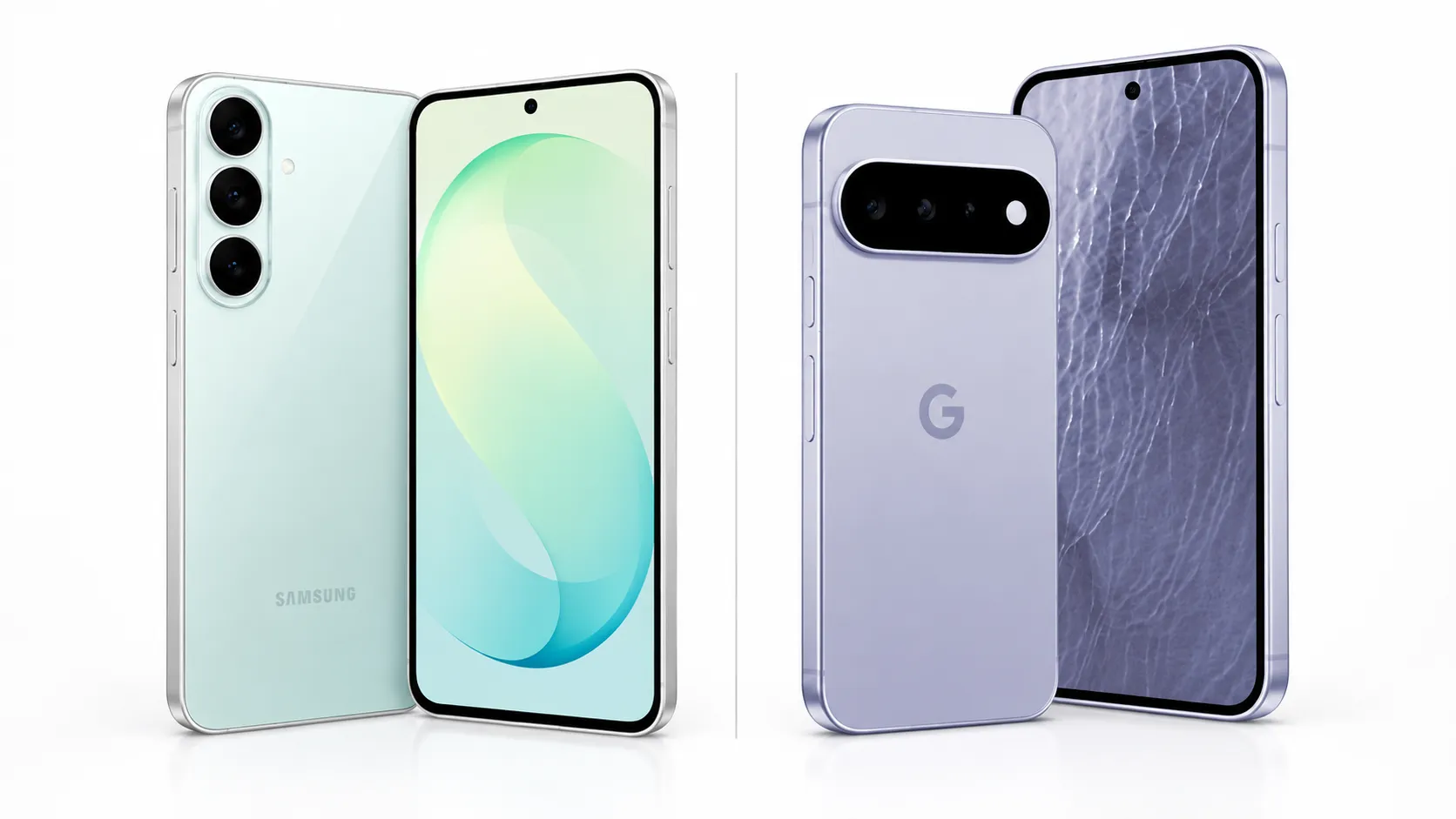
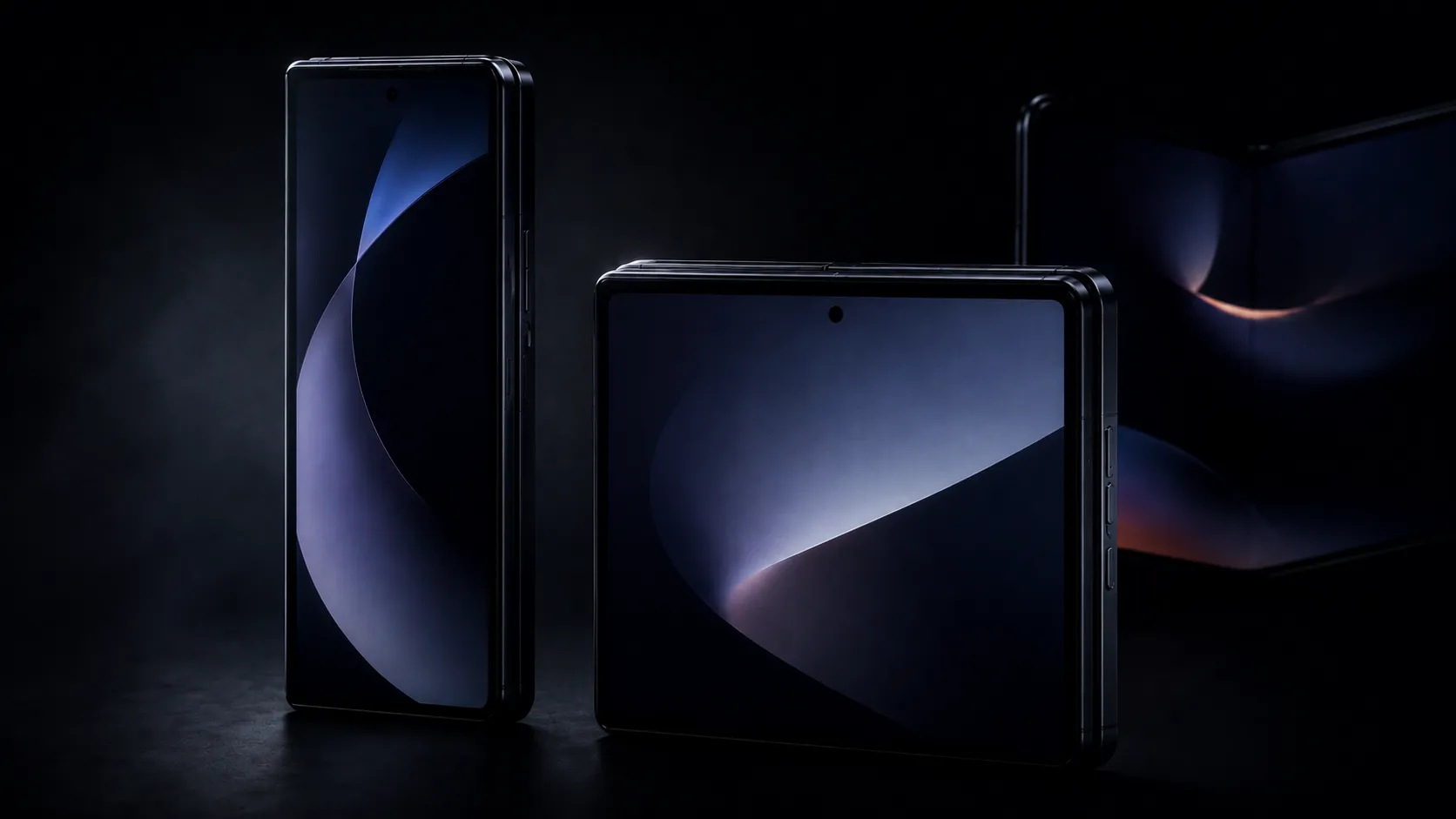
The shift toward larger foldables comes down to how users actually work with these devices. Book-style models like Samsung's Galaxy Z Fold series and Google's Pixel Fold lineup deliver high-end specifications by default, and buyers are gravitating toward that premium tier. Data from 9to5Google reveals that consumers prioritize productivity features and robust specs, which book-style devices consistently offer. This isn't surprising—when you're spending upwards of $2,000, you expect flagship performance across the board.
Here's where book-style devices actually earn their keep: a graphic designer can reference a client brief on one half of the screen while sketching on the other. A project manager reviews spreadsheets during video calls without constant app-switching. Business travelers annotate PDFs during conference calls without needing to carry a separate tablet. These aren't hypothetical scenarios—they're the workflows that justify the price premium. You're not just getting a bigger screen; you're getting the ability to run three apps simultaneously with enough screen real estate for each to remain functional rather than cramped.
Clamshell devices, by contrast, are increasingly positioned as style-first alternatives. SamMobile reports that models like the Galaxy Z Flip 7 emphasize unique features and design appeal rather than raw multitasking power. The Flip 7's cover screen, for instance, serves primarily as a gateway to generative AI rather than a full productivity hub. That positioning works for fashion-conscious buyers (and it's a legitimate strategy), but it limits the device's appeal to power users who need serious screen real estate and app flexibility.
Manufacturers have also refined durability and usability on book-style foldables over successive generations. According to SamMobile, improved hardware and better software optimization have made these larger devices more practical for everyday tasks. The result? Users see tangible benefits—split-screen multitasking, expanded canvas for creative work, and tablet-like media consumption—that justify the premium price tag. We're past the point where foldables are just a cool demo at a trade show; they're becoming legitimate productivity tools.
PRO TIP: Before buying a book-style foldable, test whether you actually use split-screen or tablet features on your current devices. If you rarely multitask beyond switching between apps, you're paying $1,000+ for screen real estate you won't fully leverage. These devices shine for document editing, research-heavy tasks, and creative work—not casual browsing and social media.
Pricing, profitability, and the premium pivot
Let's talk money. Book-style foldables typically retail around $2,000 or more, as noted by 9to5Google, which is roughly double the price of most flagship slabs. That higher average selling price (ASP) translates directly into better margins for manufacturers facing rising component costs. Industry sources cited by 9to5Google suggest OEMs view premium devices as the best bet for profitability, especially as manufacturing expenses climb. Book-style devices typically deliver 40-45% gross margins versus 30-35% for clamshells—a difference that becomes crucial when component costs are rising 15-20% year-over-year and traditional smartphone ASPs are declining.
This margin focus isn't just opportunistic—it's defensive. OEMs need foldables to subsidize their broader portfolios as traditional smartphone growth stalls. When your costs are going up and the overall market is flat, you need your revenue per unit to go up even faster.
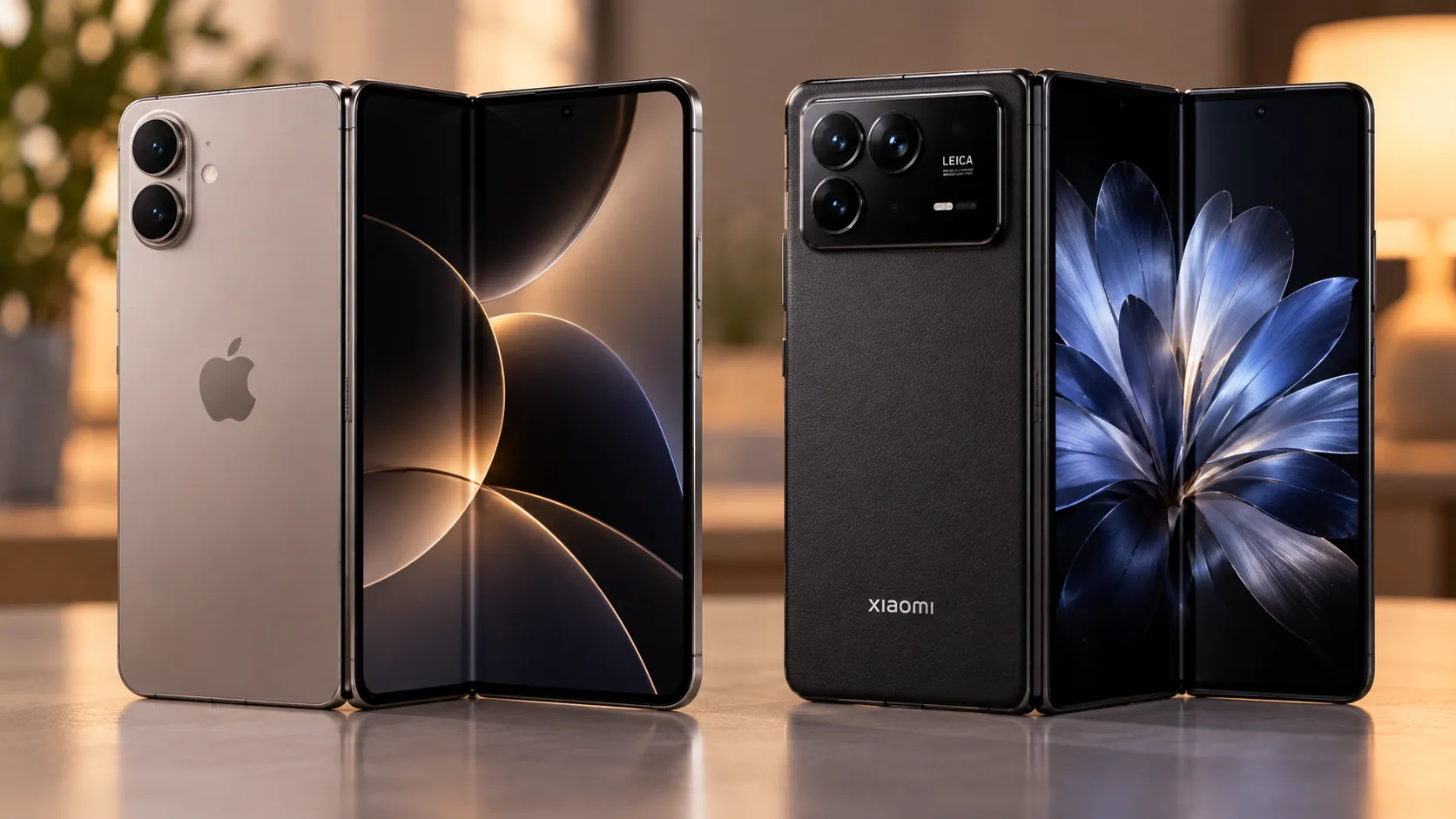
Apple's anticipated entry into the foldable market underscores this premium focus. IDC forecasts that Apple's first foldable iPhone will carry an expected price of around $2,400 and capture over 22% unit share in its debut year. More striking, Apple is projected to claim 34% of the foldable market's total value despite being a newcomer, thanks to that elevated price point. Think about what that means: Apple plans to walk into the foldable market, charge more than anyone else, and immediately grab a third of all revenue. That leaves Samsung, Google, and others fighting for 66% of revenue while still accounting for 78% of units—a margin squeeze that explains why Samsung is rumored to be developing even more expensive variants.
Clamshell models, while more affordable in some cases, don't offer the same margin upside. Research from Mordor Intelligence shows clamshells are forecast to grow at a 33.4% CAGR through 2030, driven largely by lower MSRPs and nostalgia appeal. But that growth comes from volume in emerging markets where $1,000 is still premium, not from mature markets where book-style dominates. For OEMs navigating tighter cost structures, book-style foldables deliver both revenue and brand prestige—a combination that's hard to ignore.
The Apple effect and what it means for Android OEMs
Here's the thing: Apple's impending foldable launch is the elephant in the room. Multiple reports cited by Gizmochina indicate Apple plans to release its first foldable device in the second half of 2026, and analysts expect it to be a book-style model. IDC's Francisco Jeronimo states that Apple's entry will mark a turning point for the segment, potentially driving mainstream adoption beyond current early adopters. Apple has historically acted as a catalyst for new categories (remember tablets before the iPad?), and foldables are no exception.
For Android manufacturers, Apple's arrival is both threat and opportunity. According to SamMobile, Samsung is reportedly developing a wider Fold variant to compete directly with Apple's rumored design, which is expected to exceed current Fold dimensions. That kind of reactive product strategy shows how seriously OEMs are taking the competitive pressure. This timing explains Samsung's product calendar adjustments—launching in August risks being overshadowed by Apple's typical fall announcement.
But here's the opportunity Android OEMs can't ignore: Apple's marketing machine will educate millions of consumers about foldable benefits, creating demand that Android manufacturers can capture at lower price points. Samsung's mid-range foldable strategy positions them to catch buyers who want the form factor without the Apple premium. Even more significant, Apple's App Store requirements will force developers to optimize for foldable layouts, solving Android's longstanding app compatibility problem by proxy. When developers build for Apple's foldable, those optimizations flow to Android devices automatically.
The broader implication is that 2026 represents a shift from experimentation to sustainable expansion. Counterpoint's analysis, reported by 9to5Google, describes this year as a transition into a more mature growth phase for foldables. OEMs are moving past the novelty stage and focusing on clear value propositions—software polish, ecosystem integration, and defined use cases. IDC projects the foldable category will grow at a 17% CAGR through 2029 (IDC forecast), far outpacing the sub-1% growth rate for traditional smartphones, and foldables are expected to represent over 10% of total smartphone market value by 2029. Those aren't speculative numbers anymore; that's a legitimate market segment with real momentum.
Expect Android OEMs to accelerate 2027 launches to Q1/Q2 rather than waiting until fall—getting six months of market exclusivity before Apple's annual refresh cycle could prove crucial for establishing customer loyalty before Apple's ecosystem lock-in takes effect.
Regional dynamics and the China factor
While Western markets cooled on foldables in 2025, one region tells a completely different story. China has emerged as a standout region for foldable growth, even as global momentum slowed. Gizmochina reports that foldable shipments in China expanded by over 30% in 2025, driven largely by strong demand for Huawei models and other local brands. China's 30% foldable growth occurred despite overall smartphone market contraction of 3%, indicating category-specific momentum rather than general market health.
Three factors fuel China's foldable appetite: aggressive carrier subsidies that cut effective prices by 30-40%, cultural preference for status-signaling devices, and Huawei's positioning of foldables as patriotic alternatives to Apple. These dynamics simply don't exist in Western markets where iPhone and Galaxy S series remain accessible alternatives.
Huawei, in particular, has capitalized on this momentum. TechInsights data from Q2 2024 shows Huawei leading both shipments and revenues, capturing nearly half of all foldable revenue in that quarter. IDC's forecast predicts Huawei's foldable shipments, running on HarmonyOS Next, will almost double in 2026. Huawei's dominance shows how captive ecosystems drive adoption—HarmonyOS users have fewer flagship alternatives, making foldables the default premium choice. This dynamic doesn't exist in markets where iPhone and Galaxy S series remain accessible.
Elsewhere, the picture is less rosy. Counterpoint Research, cited by Gizmochina, projects foldable display panel shipments fell roughly 4% in 2025 after flat gains in 2024. The same analysis notes that foldables still account for only about 1.5% of all smartphone sales globally, meaning more than 98% of phones sold remain traditional slabs. That sobering reality shows how far the category has to go before it's truly mainstream, even with book-style models gaining ground.
Meanwhile, European adoption stagnates at 0.8% market share, held back by higher VAT-inclusive pricing and smaller carrier subsidies. The US sits at 1.2%, with adoption concentrated in tech-forward coastal markets. What works in Shenzhen doesn't necessarily translate to San Francisco—and manufacturers are learning to tailor their approaches accordingly.
What needs to happen for foldables to break through
So what will it take for book-style foldables to move beyond niche status? First, pricing needs to hit specific thresholds. Gizmochina's analysis emphasizes that foldables must close the price gap with high-end flat phones and continue improving durability to ease concerns about repair costs and longevity. Market research suggests $1,499 is the psychological threshold for mainstream adoption—close enough to flagship slabs ($1,199) to justify the premium, but below the $1,799+ that relegates devices to enthusiast territory. Samsung's rumored Galaxy Z Fold 7 FE at $1,599 tests this hypothesis. You can't convince mainstream buyers to spend double on a device that might need a $400 screen replacement after two years.
Second, book-style foldables need to answer a simple question: why not just carry an iPad Mini? According to SamMobile, success now hinges on software polish and ecosystem integration rather than hardware novelty alone. The answer—phone calls, cellular connectivity, and single-device convenience—only holds if the software makes the foldable genuinely better than phone + tablet, not just equivalent. Users need to see everyday advantages for productivity, multitasking, and media consumption that traditional devices can't match. Book-style devices are better positioned to deliver those benefits, which explains their growing market share.
Third, ecosystem maturation needs to accelerate. Apps need foldable-optimized layouts (currently only about 30% of top Android apps fully optimize), accessories need standardization (most cases add bulk that negates portability), and repair networks need expansion (current average wait time: 7-10 days vs. 1-2 for slabs). These aren't sexy improvements, but they're essential for moving from early adopter acceptance to mainstream adoption.
Finally, the industry needs Apple to deliver—but not just any launch will do. IDC's Nabila Popal notes that Apple's foldable iPhone, combined with Samsung's Galaxy Z Trifold launching in Q1 2026, is expected to ignite consumer demand and push the market to 30% year-over-year growth—up from just 6% in prior forecasts. Apple needs to deliver three things: sub-2mm fold gap (current Android average: 3-4mm), crease invisibility that exceeds current leaders, and seamless app continuity that makes the fold/unfold transition instant. Anything less, and they validate Android's approach rather than advancing it. IDC further projects that worldwide foldable smartphone shipments will grow 10% year-over-year in 2025 to 20.6 million units, setting the stage for even stronger gains in 2026. If Apple nails the execution (and let's be honest, they usually do), we could be looking at the inflection point the category has been waiting for.
PRO TIP: Watch for carrier deals in Q4 2026 after Apple's launch—expect aggressive trade-in offers as OEMs compete for premium buyers. That's when pricing becomes most accessible for mainstream consumers.
The bottom line: form factor as strategy
The book-style shift isn't just about market share percentages—it represents a fundamental strategic pivot. Counterpoint's projection that book-style devices will capture 65% of the foldable market in 2026 isn't just a data point—it's a strategic signal. OEMs are betting that foldables will evolve from alternative form factors into the new flagship standard, with traditional slabs eventually becoming the 'budget' option. That's a 5-7 year vision, but 2026 is year one of that transition.
What this means practically: expect flagship slab development to slow (already visible in Samsung's S25 vs. S24 incremental updates) while foldable R&D accelerates. By 2028-2029, we may see OEMs launch book-style foldables as their primary flagship, with slabs relegated to mid-range. Manufacturers see these larger devices as the long-term growth engine, even as clamshells retain a role for style-focused buyers.
The arrival of Apple's foldable iPhone will test whether this bet pays off. IDC's forecast that foldables will represent over 10% of total smartphone market value by 2029 suggests the category has real staying power, provided OEMs can deliver on durability, pricing, and software. For now, the data is clear: book-style foldables are leading the charge, and 2026 could be the year that shift becomes permanent.
If you're considering a foldable purchase in 2026: early adopters should wait for post-Apple launch refinements (likely Q4 2026/Q1 2027), while mainstream buyers should target 2027-2028 when prices drop and durability improves. The exception: if you genuinely need tablet-sized screen real estate daily for work—document editing, creative projects, or research-heavy tasks—current book-style devices already deliver enough value to justify the premium.
Watch for these signals throughout 2026: Samsung's rumored wider Fold variant (likely August), Apple's launch timing (probably October), and whether Google releases a Pixel Fold 3 or skips a generation. Each decision reveals how confident OEMs are in the book-style bet. The form factor war isn't over, but the momentum is unmistakable.







Comments
Be the first, drop a comment!