



Apple's journey into foldable technology has been the subject of intense speculation, and recent rumors suggest the company is taking a unique approach to one of the biggest challenges in foldable design: screen durability. While competitors have struggled with crease formation and display longevity, whispers from the supply chain hint at Apple's potential solution—a revolutionary "glass sandwich" screen construction that could redefine how foldable devices handle the stress of repeated folding.
The durability dilemma that's plaguing current foldables isn't just about aesthetics—it's about fundamental engineering challenges that have kept Apple on the sidelines while Samsung and others pushed forward with current-generation solutions. You know how Apple operates—they're rarely first to market, but when they do show up, they usually bring something that makes you wonder why everyone else was doing it the hard way.
What exactly is a "glass sandwich" screen?
Here's where things get really interesting. The rumored glass sandwich construction represents a fascinating departure from current foldable display technology. Instead of relying solely on ultra-thin glass (UTG) or plastic polymer layers that current foldables use, this approach would theoretically sandwich multiple protective layers around the actual display components. Think of it as creating a protective cocoon that can flex without compromising the screen's integrity.
Current foldable displays face a fundamental trade-off that's been driving engineers crazy: flexibility versus durability. Samsung's Galaxy Fold series uses UTG that's incredibly thin—around 30 microns—but this thinness makes it vulnerable to microcracks and punctures. It's like trying to make paper that bends like rubber but protects like armor.
The glass sandwich approach could potentially solve this by distributing stress across multiple layers rather than concentrating it in a single ultra-thin sheet. This construction method would likely involve an outer protective layer designed for impact resistance, the actual display components optimized for flexibility, and potentially intermediate layers that could include self-healing materials to address minor scratches or stress points automatically.
What sets this apart from current approaches is the focus on complementary material properties. Rather than asking one material to be both flexible and protective, the sandwich design allows each layer to excel at its specific function while working together as a cohesive system.
How does this compare to existing foldable solutions?
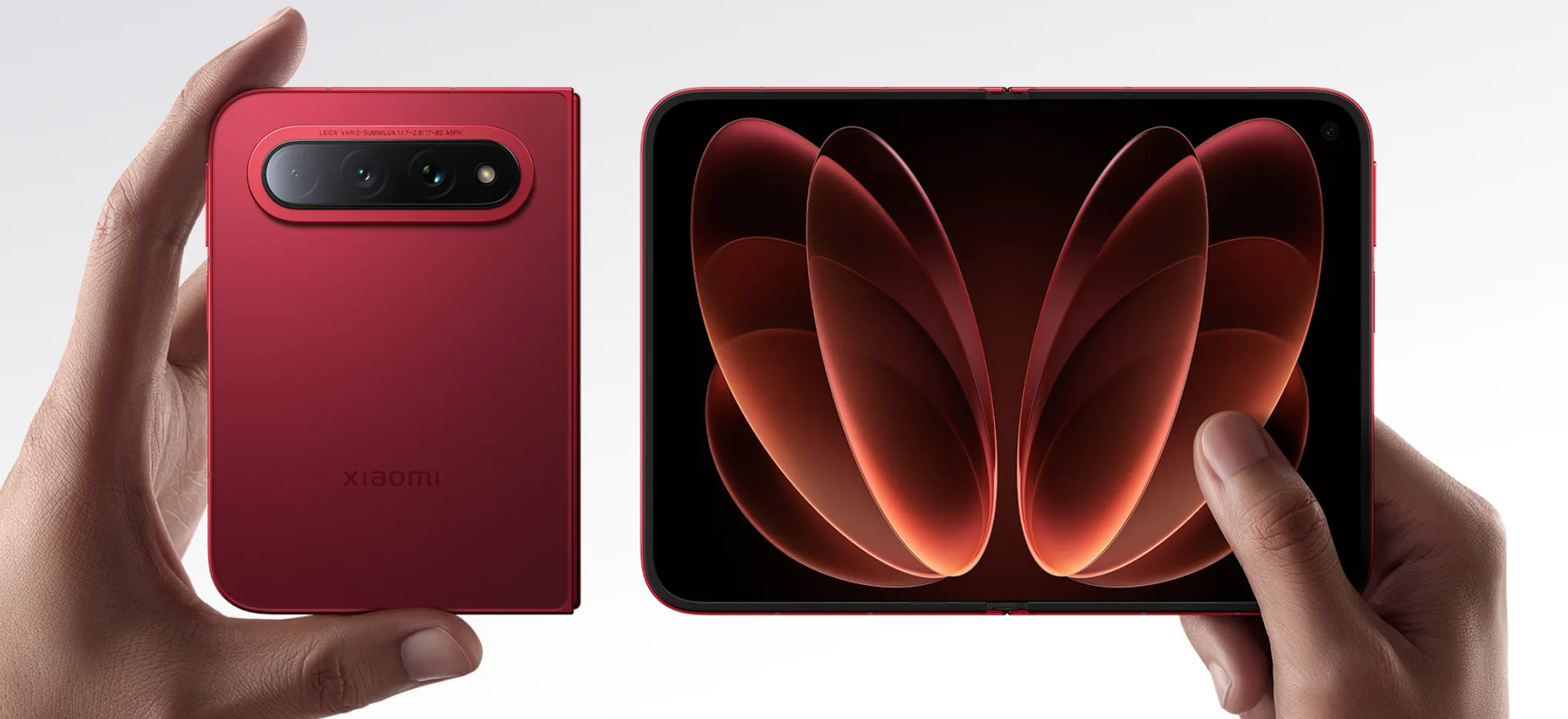
Let's be honest about where we are with current foldables. Samsung's approach with the Galaxy Z Fold series relies on UTG combined with a plastic protective layer, but the visible crease remains a persistent issue, and the screens require more careful handling than traditional smartphones. Google's Pixel Fold uses similar construction principles, though with different hinge engineering that affects how stress distributes across the display surface.
The key difference with Apple's rumored approach lies in the engineering philosophy. While current solutions manage compromises—visible creases, careful handling requirements, and limited durability compared to traditional smartphones—the glass sandwich construction suggests Apple is trying to eliminate these trade-offs rather than work around them. It's classic Apple, really. Remember how everyone was making smartphones with physical keyboards until the iPhone showed us we didn't need them?
Motorola's approach with the Razr series uses a different hinge mechanism that creates a teardrop fold instead of a sharp crease, which reduces stress concentration but introduces its own complexity in terms of device thickness when closed. Each manufacturer has tackled the durability challenge differently, but all current solutions require users to adjust their expectations about screen robustness.
This makes Apple's rumored solution particularly intriguing if it can deliver both flexibility and the durability users expect from premium smartphones—devices that can withstand the folding cycles of typical daily use without visible degradation or special handling requirements.
The engineering challenges are more complex than they appear
Creating a foldable screen that can withstand hundreds of thousands of fold cycles without degradation involves solving multiple physics problems simultaneously. The glass sandwich approach would need to address stress distribution across the fold line, prevent delamination between layers, maintain touch sensitivity throughout the device's lifespan, and ensure optical clarity isn't compromised by the multi-layer construction.
When you fold a screen, you're asking different parts of the same structure to behave in completely different ways simultaneously. The outer layer stretches while the inner layer compresses, creating stress gradients that can lead to material fatigue over time. In addition to managing these mechanical stresses, the design must maintain electrical connections for touch sensors and display drivers across the flexible region.
The hinge mechanism also plays a crucial role in screen longevity. Unlike laptops, where hinges operate in a single plane with predictable stress patterns, foldable phones create complex, multi-directional forces across the display surface. The glass sandwich construction would need to work seamlessly with Apple's hinge design to ensure the screen can handle not just folding, but also the subtle twisting, pocket pressure, and everyday handling that smartphones endure.
Temperature variations add another layer of complexity, as different materials expand and contract at different rates, potentially causing interface stresses between layers. The entire system needs to function reliably across the temperature range a smartphone typically experiences, from cold winter mornings to hot car dashboards.
What this means for the future of foldable technology
If Apple successfully implements a glass sandwich screen construction, we could be looking at a significant leap forward for the entire foldable category. Beyond just solving durability issues, this technology could enable entirely new form factors and use cases that aren't viable with current fragile displays.
Consider the possibilities: foldable devices robust enough for industrial or field use, larger screens that can truly replace laptops without durability concerns, or even new multi-fold configurations that current technology can't support. The ripple effects could extend to pricing as well—if manufacturing yields improve due to better durability predictability, and warranty costs decrease due to fewer screen failures, foldables could finally reach price points that make them accessible beyond early adopters.
However, revolutionary display technologies often face the "valley of death" between laboratory success and mass production viability. Apple's supply chain relationships with companies like Samsung Display and BOE will be crucial, as will their ability to scale production to the millions of units required for a major iPhone launch. The company's track record with complex manufacturing scale-up—from Retina displays to Face ID components—suggests they understand these challenges, but glass sandwich construction would represent uncharted territory even for Apple's manufacturing expertise.
The broader industry implications could be transformative, potentially forcing competitors to develop their own advanced multi-layer approaches or license technology to remain competitive in a post-glass-sandwich world.
Where does this leave the foldable market?
Bottom line: Apple's potential glass sandwich screen technology could be the catalyst that transforms foldables from expensive curiosities into mainstream devices that normal people actually want to buy and use daily.
Current foldable adoption has been constrained by durability concerns that create anxiety about device longevity and resale value. If Apple can deliver a foldable that matches traditional iPhone robustness while providing compelling new functionality, it could trigger the mainstream adoption curve that the category has been waiting for.
For consumers, this represents the potential end of the compromise era in foldable devices. Instead of choosing between durability and innovation, future foldable buyers might get both, along with the ecosystem integration and software refinement that Apple typically brings to new categories.
The competitive landscape would shift dramatically as well. Apple's entry with superior screen technology could accelerate innovation across the industry, similar to how the original iPhone spurred rapid advancement in touchscreen technology and mobile interfaces. We might see a new wave of foldable innovation as manufacturers race to match or exceed Apple's durability breakthrough, ultimately benefiting all consumers interested in foldable devices.
PRO TIP: If you're considering a foldable purchase, the next 12-18 months could bring significant technological leaps that make current-generation devices look like early prototypes. The glass sandwich technology—if it proves viable—might be worth waiting for, especially if durability has been your primary concern about foldable adoption.





Comments
Be the first, drop a comment!