



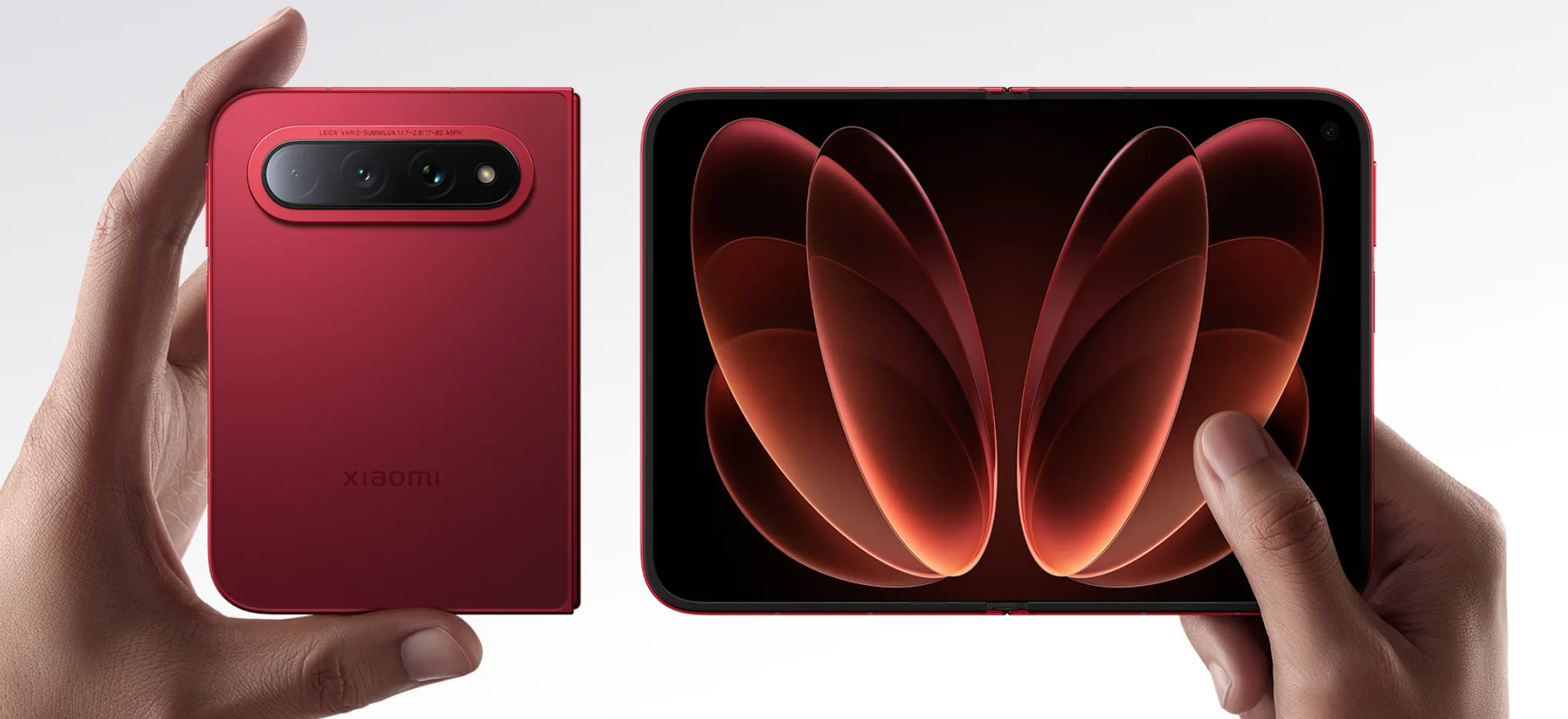
Apple's long-awaited entry into the foldable phone market might just solve the one thing that's been bugging everyone about these devices: that annoying crease running down the middle of the screen. You know the one I'm talking about – it's impossible to miss on current foldables, and honestly, it's been a deal-breaker for a lot of people considering making the jump.
Here's what's got everyone talking: Samsung Display has been making some serious progress on crease reduction technology, and the results are pretty impressive. According to TrendForce, they've managed to achieve roughly 20% less visible creasing compared to current Galaxy Z Fold models. To put that in perspective, previous generation-over-generation improvements in crease visibility have been marginal at best – this represents the most significant leap forward we've seen in addressing what many consider the technology's biggest visual flaw.
The real eye-opener came at CES 2026, where The Verge reports that Samsung Display showcased a prototype with virtually no visible crease when compared side-by-side with the Galaxy Z Fold 7. This wasn't just an incremental improvement – early hands-on observers (SamMobile, Android Central and others) described the difference as notably large and potentially category-changing in demo comparisons.
TrendForce reports Samsung Display is expected to be a primary panel supplier for Apple's initial foldable iPhone production run (TrendForce). But here's where it gets strategic – the panels destined for Apple are expected to feature different technical specifications than those used in Samsung's own devices, potentially giving Apple's foldable superior crease performance right out of the gate.
What's driving the crease breakthrough?
Let's break down the technical magic happening behind the scenes. The secret sauce isn't just one breakthrough – it's a combination of advanced materials engineering and manufacturing techniques that tackle the fundamental physics of what happens when you fold a display thousands of times.
Samsung Display's key innovation centers on implementing a dual-layer ultra-thin glass (UTG) structure that provides better structural support while maintaining the flexibility needed for smooth folding, as reported by TrendForce. This dual-layer approach enables a more sophisticated manufacturing process that includes laser-drilling techniques to create microscopic holes in the display's backplate, according to industry sources.
Here's how these technologies work together: The dual-layer UTG structure provides the foundation for more precise stress management, while the laser-drilled micro-holes act as controlled failure points that distribute mechanical stress across hundreds of tiny locations rather than concentrating it in one visible fold line. This approach addresses both the immediate visual problem and long-term durability concerns, as distributed stress should theoretically extend the display's operational lifespan over repeated folding cycles.
The practical advantages extend beyond just crease reduction. TrendForce notes that UTG is relatively cost-effective compared to alternative materials while leveraging mature manufacturing processes. This cost efficiency is crucial because it means these improvements can reach mass production without dramatically increasing device prices – a key factor in mainstream foldable adoption.
How Apple's approach differs from Samsung's strategy
While both companies will likely use Samsung Display panels, Apple's implementation is expected to take a different technical direction that could yield even better results. The panels destined for Apple's foldable iPhone will feature distinct technical differences from those supplied to Samsung Electronics, according to TrendForce analysis.
Analysts speculate Apple may prioritize hinge geometry, internal support structures, and software display-management to further reduce visible creases. While Samsung Display provides the advanced panel technology, Apple's proprietary mechanical design could further reduce stress on the display through more sophisticated hinge geometries and internal chassis engineering that better supports the folding motion.
Additionally, Apple's approach to iOS optimization for foldable displays could minimize visual artifacts through software techniques – using display calibration and pixel management to make any remaining micro-creases even less perceptible to users during normal operation.
Samsung Electronics hasn't confirmed whether they'll adopt the same dual-UTG configuration for their upcoming Galaxy Z Fold 8, as reported by TrendForce. This suggests Samsung might prioritize different factors like device thickness, battery capacity, or cost optimization, while Apple focuses exclusively on eliminating any visible imperfections regardless of other trade-offs.
What this means for the foldable market
These technological advances could finally address the primary barrier preventing mainstream foldable adoption: the perception that these devices still look and feel like prototypes rather than polished consumer products. The demonstration at CES 2026 showed Samsung Display's concept panel with virtually no visible crease when placed alongside current Galaxy devices, as observed by SamMobile.
However, it's important to note the timeline realities. Samsung Display representatives emphasized that the showcase was purely a research and development concept with no confirmed commercialization timeline, according to The Verge. That said, TrendForce projects the panel could appear in next-generation Samsung foldables targeted for the second half of 2026; Samsung described the CES unit as an R&D concept with no fixed commercialization timeline.
The market implications extend beyond just visual improvements. Eliminating the visible crease addresses key concerns about device durability and premium feel – two factors that significantly influence purchasing decisions in the $1,500+ smartphone category. If these improvements translate to mass production, we could see foldable market share expand beyond early adopters into mainstream premium smartphone segments.
The competitive pressure will be immediate. Once Apple delivers a foldable iPhone with minimal visible creasing, competitors will need to match that standard or risk appearing technically inferior. This could accelerate the entire industry's timeline for implementing similar improvements across all foldable product lines.
The bottom line: a game-changing leap forward
Apple's entry into foldables with significantly reduced crease visibility could genuinely reshape consumer expectations and force the entire industry to step up their game. The combination of dual-layer ultra-thin glass technology and advanced stress distribution techniques represents the most promising approach yet to solving foldables' most persistent visual flaw, based on TrendForce's technical analysis.
What makes this breakthrough particularly significant is how it addresses foldables' unique challenges compared to Apple's previous product category entries. Unlike smartwatches or wireless earbuds, foldables require solving fundamental materials science problems around repeated mechanical stress while maintaining display quality. The dual-layer UTG approach with laser-drilled stress distribution represents the kind of engineering solution that could finally make foldables feel like mature technology rather than impressive experiments.
While Samsung Display's CES demonstration showed remarkable progress in eliminating visible creases, as reported by The Verge, the real test will be whether these improvements maintain durability over thousands of fold cycles while keeping manufacturing costs reasonable for mass production.
If Apple can deliver on the promise of a nearly crease-free foldable iPhone, it could finally convince mainstream consumers that foldable technology is ready for prime time. More importantly, it would establish new baseline expectations for the entire category – making visible creases as unacceptable in 2026 as thick bezels became after the iPhone X. The technology is clearly advancing rapidly, and with both Apple and Samsung pushing each other toward crease-free solutions, consumers are the ultimate winners regardless of which ecosystem they choose.






Comments
Be the first, drop a comment!