





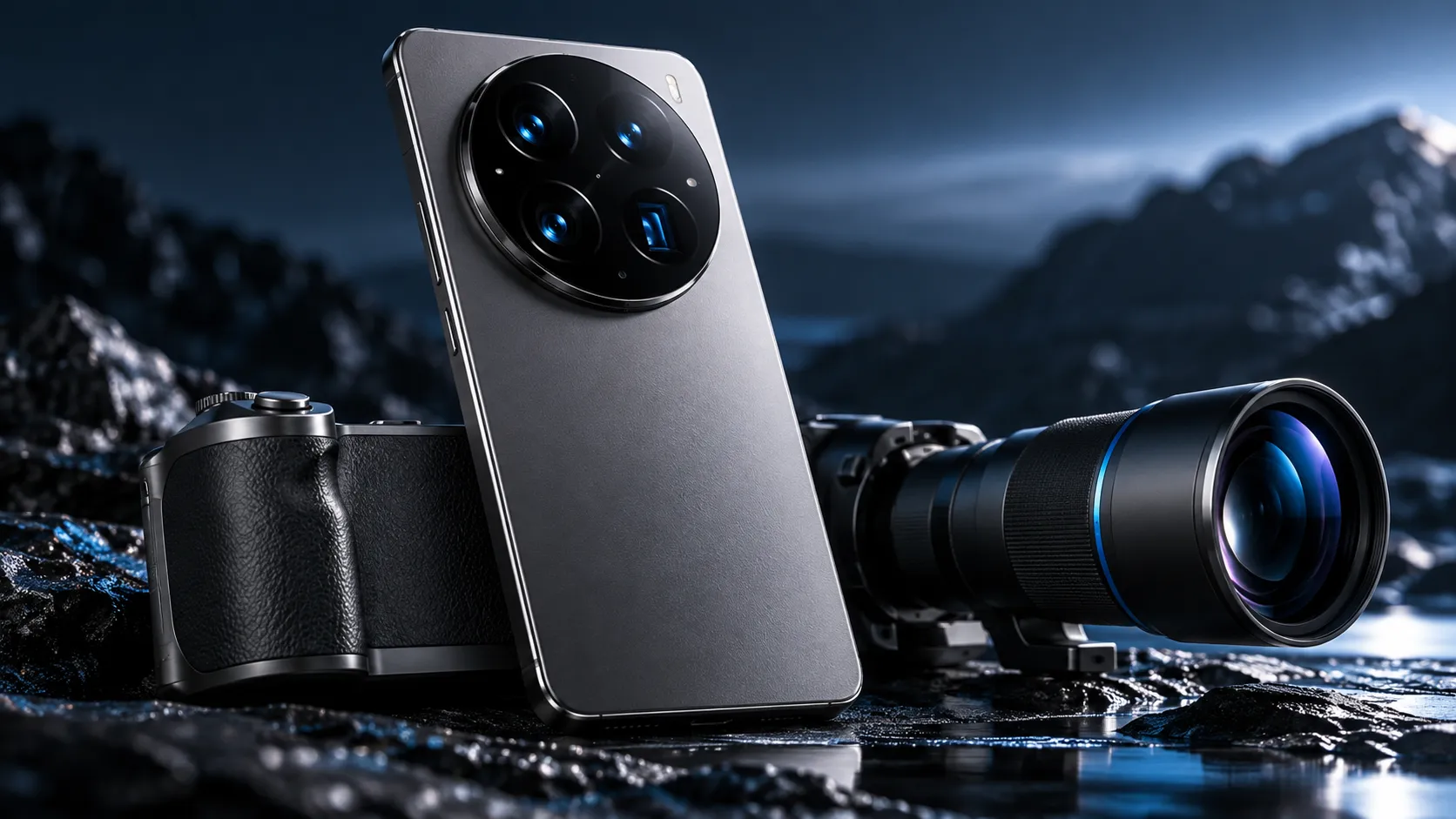
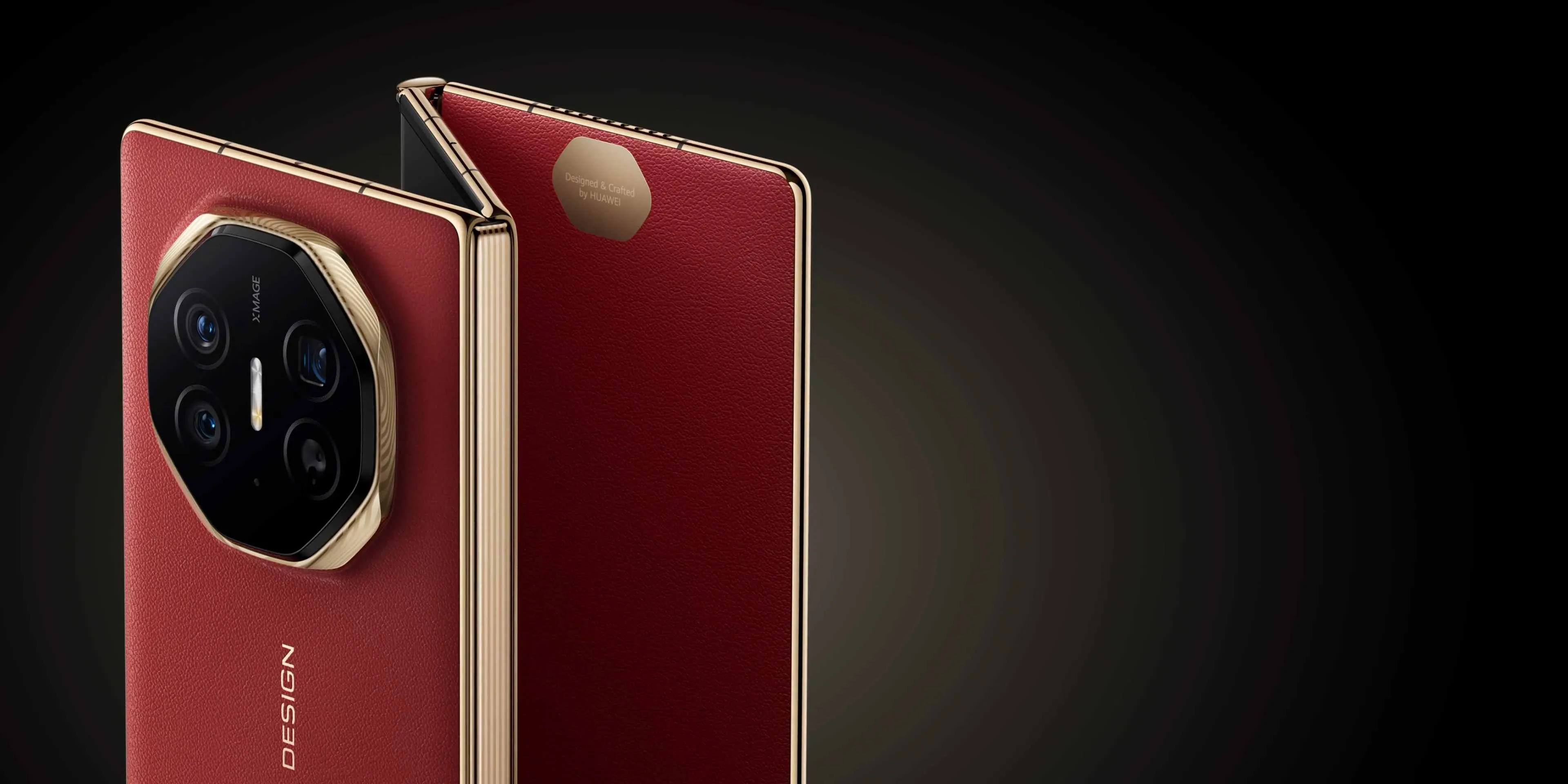
Vivo officially unveiled the X500 Pro Max on September 21, and the Vivo X500 Pro Max camera phone is shaping up as the company's most aggressive imaging flagship yet.
The Pro Max pairs a 200MP Zeiss telephoto with a main sensor Vivo claims delivers 17 stops of dynamic range, backed by an optional 400mm-equivalent zoom attachment and a stack of creator-focused video tools.
The phone goes on sale in China today, September 24, after preorders opened September 21. Vivo hasn't published a broader global release date or full market list yet.
Singapore is confirmed to get the X500 and X500 Pro Max, though the mid-tier X500 Pro won't be sold there, according to HardwareZone Singapore. Local pricing and availability details are due next month.
Since Vivo hasn't announced an Ultra model, the Pro Max is currently the top X500 device in the lineup.
What follows covers the confirmed camera and video hardware, what one hands-on found when testing the 400mm extender, how the Pro Max camera stacks up against the cheaper X500, and what to verify before buying or importing one.
Vivo X500 Pro Max Zeiss Camera Specs: The Confirmed Hardware
The main camera uses a new 50MP, 1/1.28-inch Sony Lytia L910 sensor developed with LOFIC technology.
Vivo markets that sensor as the BluePrint LightGuard 900 and says it delivers up to 17EV of dynamic range.
That edges past the 16.5-stop figure Xiaomi has claimed for the Xiaomi 17 Ultra, according to The Verge.
The wider range should help preserve more information in high-contrast scenes, such as a backlit person against a bright sky, but 17EV remains a manufacturer claim rather than an independently verified lab measurement.
The main camera itself is a 24mm-equivalent f/1.57 lens with autofocus, Vivo's three-degree gimbal-grade optical stabilization, and a CIPA 7.0 stabilization rating.
The 200MP Zeiss APO telephoto uses a large 1/1.4-inch Samsung HP0 sensor behind an 85mm-equivalent f/2.67 lens.
It also gets optical stabilization, CIPA 7.0 stabilization, and 60fps autofocus tracking, according to HardwareZone.
A 50MP ultrawide rounds out the rear array. It uses a 1/2.75-inch Samsung JN5 sensor with a 15mm-equivalent f/2.0 lens and autofocus.
Those camera specifications are now listed on Vivo's official X500 Pro Max product page, although real-world image quality still needs independent testing.
The Video Pitch: What the Creator-Focused Specs Actually Enable
The X500 Pro and Pro Max can record native 4K slow-motion video at up to 240fps, enabling high-resolution slow motion without dropping to 1080p.
The Pro Max also supports 4K/120fps subject-tracking video.
Vivo's new Log workflow targets creators who plan to grade footage afterward.
Launch reporting lists:
17EV TrueDynamic Log
10-bit 4:2:2 encoding
ACES color-management support
4K/120fps 10-bit Log capture
DaVinci color-grading support
Vivo's own product page confirms 17EV Vivo Log and 4K/120fps 10-bit Log, while the broader launch materials describe ACES and DaVinci workflow support.
The company says it co-developed the video pipeline with MediaTek and supports it at the hardware level, rather than as a purely software processing mode.
That processing runs across Vivo's two dedicated imaging chips, V3+ and VS1, alongside the Dimensity 9600 Pro.
The launch materials don't establish practical recording-duration limits, thermal behavior, or how quickly storage fills during sustained 4K/240fps or high-bitrate Log recording.
Those details will matter more than the headline spec once independent reviewers start pushing retail units beyond short demo clips.
The 400mm Extender: What One Hands-On Found
The Pro Max supports Vivo's second-generation Zeiss 400mm-equivalent Telephoto Extender G2 Ultra, carried over from the X300 Ultra.
Because the phone's built-in telephoto is 85mm equivalent, the attachment increases the native optical reach by roughly 4.7x.
Vivo also offers a smaller 200mm-equivalent extender.
The official product page says the extenders and professional imaging grip are sold separately.
The 400mm G2 Ultra is exclusive to the Pro Max, while the 200mm extender can also work with the base X500, according to HardwareZone.
In a Can Buy or Not hands-on, the reviewer found decent image quality at roughly 1,600mm with the extender attached and described 3,200mm results as still usable.
By the phone's extreme 8,100mm setting, image quality drops substantially and the result relies heavily on digital cropping.
Without the extender, the same reviewer found the built-in telephoto reliably usable to about 10x before quality deteriorated considerably toward 100x.
That's one reviewer's early hands-on experience, not a controlled lab comparison.
No source reviewed here confirms the final standalone price or international availability of the extender kit.
Pro Max vs. the Base X500: What the Price Gap Buys
The base X500 keeps a 50MP, 1/1.28-inch Sony Lytia LYT-828 main sensor, the same sensor family used in the X300 Pro.
Its telephoto steps down to a 64MP Sony Lytia 610 sensor with a 72mm-equivalent f/2.55 lens and CIPA 5.5 stabilization.
Both the X500 and Pro Max technically use 1/1.28-inch main sensors.
The meaningful main-camera difference is the Pro Max's newer Lytia L910 with LOFIC and Vivo's claimed 17EV dynamic range, not sensor size.
Video separates them further.
The base X500 supports 4K/120fps slow motion, while the Pro models step up to 4K/240fps and get the more extensive TrueDynamic Log and creator-focused video toolkit.
The chipset changes too.
The base X500 uses MediaTek's 3nm Dimensity 9600M, while the X500 Pro Max gets the new 2nm Dimensity 9600 Pro.
In China, that gap costs CNY 1,500 at the base configuration:
Vivo X500, 12GB/256GB: CNY 5,499
Vivo X500 Pro Max, 12GB/256GB: CNY 6,999
Those are Vivo's official China prices.
For Singapore buyers, the choice is simpler than the complete three-phone lineup suggests.
Only the X500 and X500 Pro Max are currently confirmed for Singapore. The X500 Pro isn't part of the announced local lineup.
That price gap therefore buys a different main sensor, much larger telephoto sensor, stronger stabilization, more ambitious video tools, and a higher-end chipset rather than simply additional storage.
Singapore pricing hasn't been announced yet.
What Vivo's 17EV Claim Does and Doesn't Prove
Vivo describes the BluePrint LightGuard 900 sensor as capable of 17EV true output and says the system was jointly developed with Sony.
That number is central to the company's launch pitch.
It doesn't automatically mean the X500 Pro Max will produce better photos than another flagship in every high-contrast situation.
Dynamic range depends on the complete imaging pipeline, including exposure decisions, image stacking, tone mapping, noise processing, lens performance, and how much highlight or shadow information survives into the final output.
Likewise, comparing Vivo's 17EV claim directly with another manufacturer's advertised figure only tells you what the two companies claim under their own methodologies.
Independent RAW and JPEG testing will be more useful once reviewers can compare the phones under the same lighting and exposure conditions.
What to Check Before Buying or Importing
Vivo has combined a new LOFIC main sensor, a 200MP stabilized telephoto, a 50MP autofocus ultrawide, and unusually ambitious creator video tools into one phone.
It also pairs them with MediaTek's first 2nm Dimensity 9600 Pro and Vivo's V3+ and VS1 imaging chips.
The hardware is no longer speculative.
What remains unproven is how those parts perform under sustained, real-world use.
Independent reviews still need to test:
Vivo's 17EV dynamic-range claim.
Main-camera highlight and shadow recovery against rival flagships.
Telephoto sharpness at native and hybrid zoom levels.
The 400mm extender under daylight, low light, and moving-subject conditions.
Thermal behavior during 4K/240fps recording.
Recording-duration limits.
Storage consumption during Log and high-frame-rate capture.
Stabilization while walking or panning.
How the camera system compares directly with devices such as the Xiaomi 17 Ultra.
Anyone importing the China model should also confirm cellular-band compatibility, warranty coverage, software differences, and whether the services they depend on work normally with the Chinese OriginOS build.
For buyers waiting on an international version, don't assume every specification will be identical until Vivo publishes the relevant regional product page.
Singapore is confirmed to receive the X500 and X500 Pro Max, but local pricing, sale dates, configurations, and accessory availability remain unannounced.
Finally, verify whether the 200mm and 400mm extender kits will actually be sold in your region.
The accessories are a significant part of Vivo's camera pitch, but their international pricing and availability aren't confirmed yet.
As of launch, the X500 Pro Max's camera hardware is unusually ambitious on paper.
The next question is no longer what Vivo claims it can do. It's how much of that spec sheet survives independent testing.


Comments
Be the first, drop a comment!