





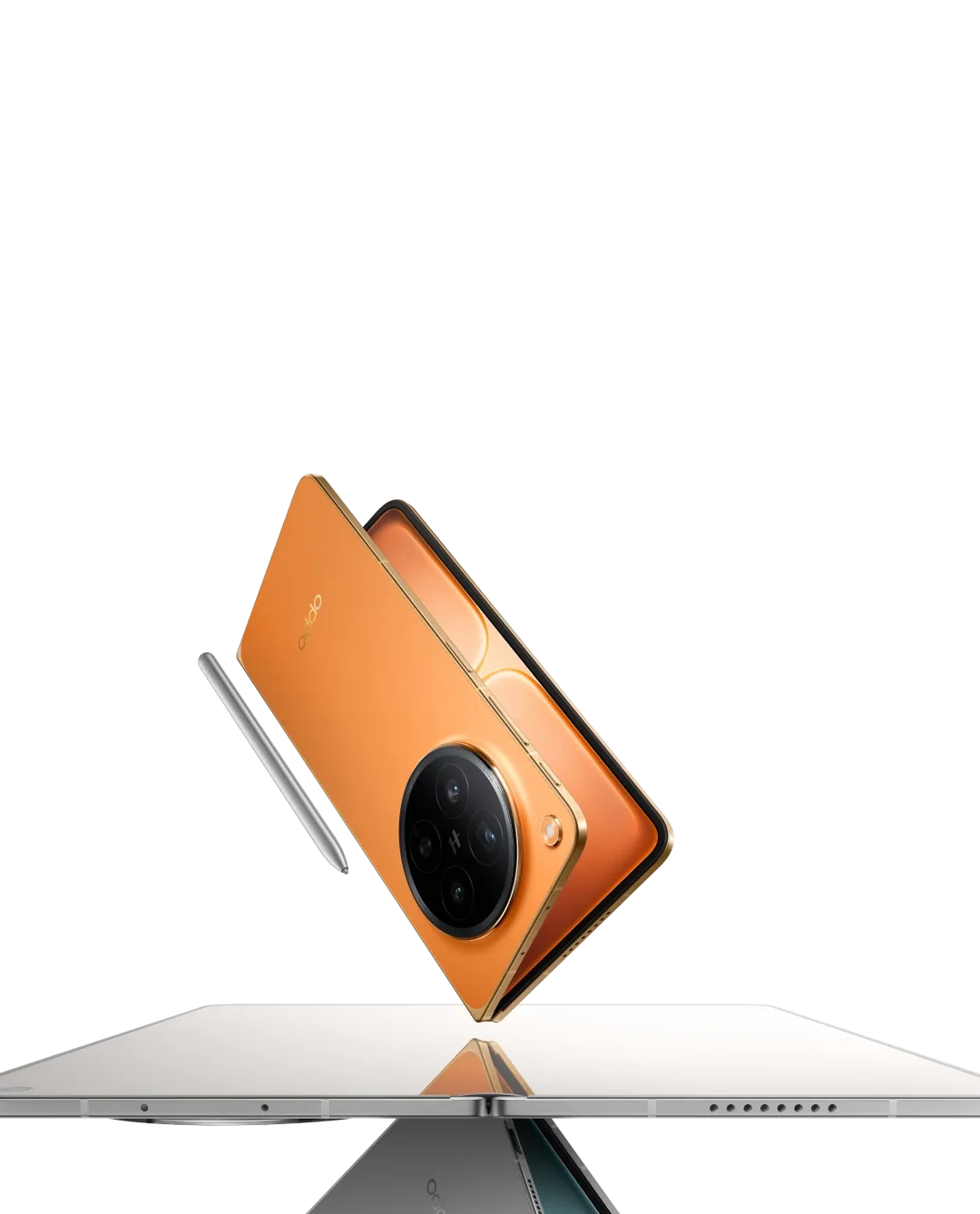
OPPO Find N6: The Foldable That Finally Fixes the Crease Problem
The OPPO Find N6 just made its debut at MWC 2026, and after spending quality time with this foldable device, one thing is crystal clear: the engineering team has tackled the most persistent complaint about foldable phones. The crease that has plagued every foldable smartphone since the category's inception is now barely perceptible on OPPO's latest flagship. This isn't just an incremental improvement—it represents a potential turning point for foldable adoption among mainstream consumers who've been waiting for the technology to mature.
The Engineering Breakthrough That Changes Everything
Let's break it down: foldable phones have always faced one fundamental challenge that no amount of marketing could overcome—that visible, tactile crease running down the middle of the display. It's been the elephant in the room for every manufacturer, from Samsung's early Galaxy Fold iterations to Google's Pixel Fold attempts.
OPPO's approach with the Find N6 represents a completely different philosophy. Instead of simply accepting the crease as an inevitable compromise, its engineering team has developed what they're calling "Zero-Crease Hinge Technology"—and from what I've experienced firsthand, it lives up to the name.
When examining the Find N6's display, run your finger across the fold area while the phone is open. The difference compared to other foldables is immediately apparent—there's virtually no depression or raised edge where the screen bends.
The key innovation lies in the hinge mechanism itself. Traditional foldable hinges create a sharp fold that forces the flexible display into an acute angle. OPPO's solution reportedly uses a multi-gear system that creates a gentler curve when folded, reducing stress on the display material and eliminating the visible crease that forms when the screen is opened.
Display Quality That Actually Competes
Here's what you need to know about the Find N6's display technology: this isn't just about reducing creases—OPPO has created a foldable screen that genuinely rivals traditional flagship displays in terms of brightness, color accuracy, and overall visual quality.
The 8.2-inch main display delivers exceptional clarity whether you're streaming content, reading documents, or multitasking across multiple apps. What struck me most during extended use was how natural it felt to interact with the screen. There's no hesitation when swiping across the center, no visual distraction pulling your attention away from content.
The outer display deserves recognition, too. At 6.2 inches, it's substantial enough for comfortable one-handed use without feeling like a compromise. Many foldables treat the cover screen as an afterthought, but OPPO has clearly invested in making both displays premium experiences.
Bottom line: This feels like using a regular smartphone that happens to unfold into a tablet, rather than using a foldable device that requires constant mental adjustment for its quirks.
Real-World Performance: Beyond the Fold
During my hands-on time with the Find N6, I focused on the scenarios where foldables should theoretically excel—and where they've historically disappointed. Multitasking between apps, media consumption, and productivity tasks all demonstrated the potential that foldable advocates have been promising for years.
The software experience deserves particular praise. OPPO's ColorOS implementation for foldables has matured significantly, with intuitive app continuity when transitioning between folded and unfolded states. Apps resize smoothly, and the system remembers your preferences for how different applications should behave on the larger display.
Gaming performance revealed another strength. The expanded screen real estate transforms mobile gaming, particularly for strategy games and titles that benefit from additional interface space. Heat management remained impressive even during intensive gaming sessions.
PRO TIP: For optimal productivity, customize the edge panel shortcuts specifically for foldable use. This creates quick access to your most-used apps in split-screen configurations.
The Competitive Landscape Shift
The Find N6's arrival signals a significant shift in the foldable market dynamics. While Samsung has dominated the space through early entry and consistent iteration, OPPO's engineering breakthrough addresses the fundamental barrier that has prevented mainstream adoption.
This isn't just about competing on specifications—it's about solving the core user experience problem that has defined the foldable category. When consumers no longer need to overlook an obvious display compromise, the value proposition of foldable devices changes entirely.
The implications extend beyond OPPO's immediate success. Other manufacturers will inevitably pursue similar crease-reduction technologies, accelerating overall category improvement and potentially driving down prices through competition.
What This Means for Foldable Adoption
Imagine this scenario: you're considering your next smartphone upgrade, and for the first time, a foldable option doesn't require accepting a visible compromise in exchange for additional screen space. That's the potential impact of OPPO's engineering breakthrough.
The Find N6 represents the maturation moment that foldable enthusiasts have been anticipating. It's the first device that could genuinely appeal to mainstream consumers who prioritize display quality and user experience over cutting-edge novelty.
Market analysts have consistently pointed to display quality concerns as the primary barrier to broader foldable adoption. If OPPO has indeed solved the crease problem—and early impressions suggest they have—we could see accelerated category growth throughout 2026 and beyond.
The Reality Check: Considerations and Limitations
While the Find N6 addresses the most significant foldable pain point, it's important to maintain realistic expectations about the overall foldable experience. Battery life remains a consideration with dual displays and powerful processors. The device is still thicker and heavier than traditional smartphones, even with OPPO's engineering improvements.
Durability questions persist for the foldable category overall, though OPPO's gentler hinge mechanism should theoretically reduce wear over time. Long-term testing will be crucial for validating the durability improvements that accompany the crease reduction.
App optimization continues to be an ecosystem-wide challenge, though this affects all foldable devices rather than being specific to OPPO's implementation.
Looking Forward: The Foldable Future
The key takeaway is that the OPPO Find N6 highlights how foldable phone engineering is steadily improving. Advances in hinge durability, crease reduction, and battery efficiency show that some of the early limitations are being addressed.
As we've seen from OPPO's extensive engineering focus, the path to foldable mainstream adoption required solving the most obvious user experience problem first. With the crease issue addressed, attention can shift to refining other aspects of the foldable experience: battery optimization, app ecosystem development, and continued durability improvements.
Don't Miss: The Find N6's success or failure in the market will likely influence the entire industry's approach to foldable development. If consumers respond positively to the improved display experience, expect rapid advancement across all manufacturers in addressing remaining foldable challenges.
This isn't just about new tech—it's about rethinking the way we interact with our devices when the most fundamental compromise has been eliminated. The OPPO Find N6 suggests that future is nearer than we thought.



Comments
Be the first, drop a comment!