





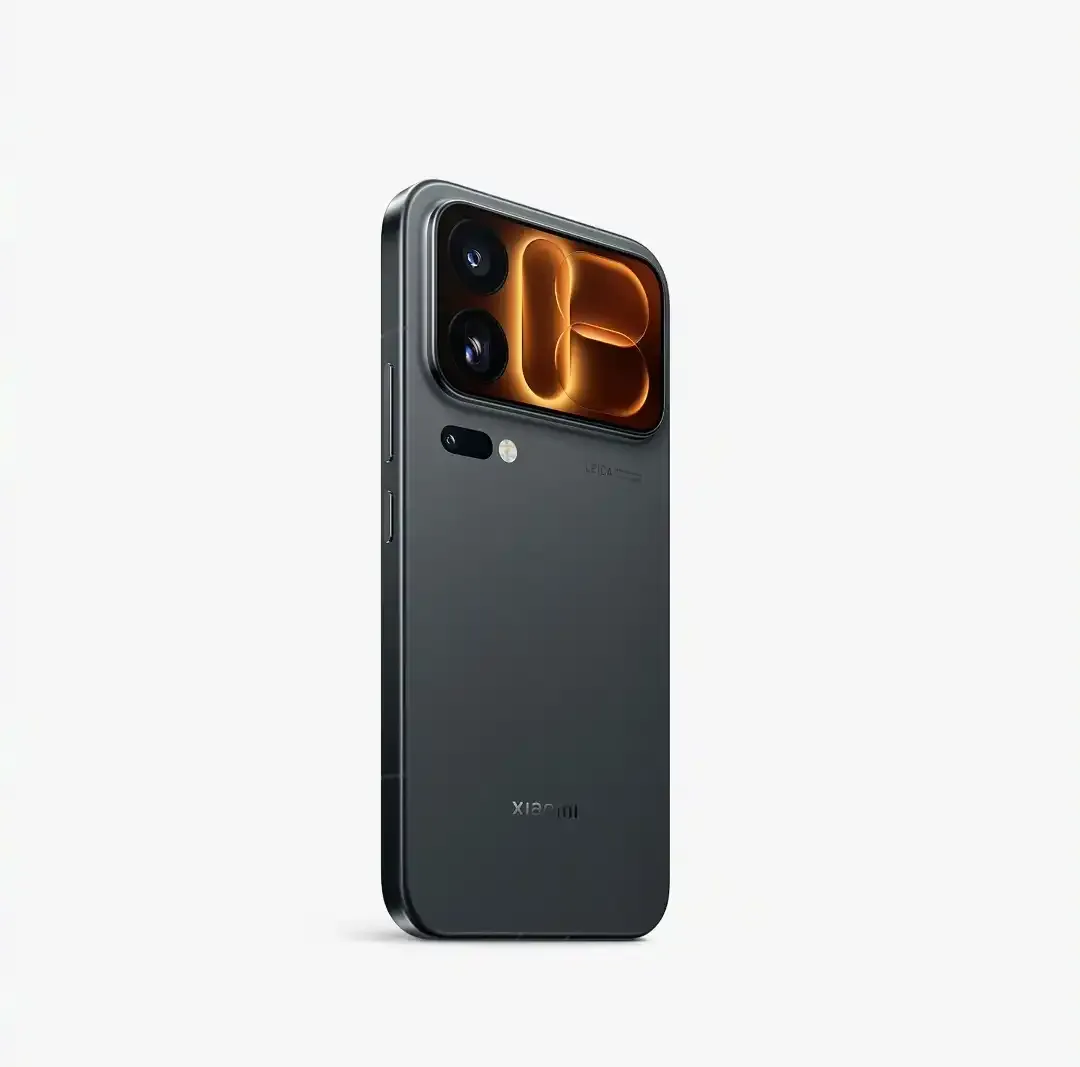
Xiaomi's next premium phones could come with a hefty price tag in Europe — and potentially smaller batteries than their Chinese counterparts. A new leak puts the Xiaomi 18 Pro at €1,449 (approximately $1,629), just €50 ($56) below the Xiaomi 17 Ultra's European launch price, while the larger 18 Pro Max could reach €1,849 (about $2,079).
The figures come from an October 19 report by YTECHB, while separate reporting on European energy-label information suggests reduced battery capacities and slower charging on one model. Xiaomi has already launched the phones in China, but European prices and an exact regional release date remain unconfirmed. With the Pro series approaching Ultra-level pricing, its camera hardware, secondary displays, and battery performance face closer scrutiny.
Xiaomi 18 Pro's leaked European prices
The original report identifies three possible European configurations, each with 12GB of RAM:
Xiaomi 18 Pro, 256GB: €1,449 (about $1,629)
Xiaomi 18 Pro, 512GB: €1,649 (about $1,854)
Xiaomi 18 Pro Max, 512GB: €1,849 (about $2,079)
The dollar amounts are approximate conversions using exchange rates as of October 22, 2026, not confirmed U.S. retail prices. Moving from 256GB to 512GB on the standard Pro would cost an additional €200 (about $225), a considerable storage premium on an already expensive phone.
The Pro Max may have another option. Tipster Sudhanshu Ambhore has separately suggested a 256GB version priced at €1,649, according to The Tech Outlook's October 21 report. If accurate, that would put the larger phone's starting price €200 below the previously reported 512GB configuration.
Black, white, Cosmic Blue, and Velvet Red are also among the rumored European finishes. Neither the color selection nor the storage lineup has been finalized publicly by Xiaomi.
The Chinese Xiaomi 18 Pro starts at 5,999 yuan, substantially below the rumored European price. A direct currency conversion doesn't provide a complete comparison, however. European retail prices generally include VAT, while distribution expenses, warranty obligations, and regional pricing strategies can also influence the final cost.
These figures remain leaks rather than confirmed retail prices. Although several technology publications have covered them, much of that reporting traces back to the original disclosures. Multiple articles repeating the same figures should not be mistaken for independent verification.
Why the €50 gap to the 17 Ultra stands out
Xiaomi launched the 17 Ultra internationally in February 2026 at a European starting price of €1,499 (approximately $1,685), as documented in its official financial presentation. That leaves a difference of just €50 between the older Ultra's original price and the rumored entry-level Xiaomi 18 Pro.
The comparison is unusual because Xiaomi never released the 17 Pro series internationally. European shoppers instead received the standard Xiaomi 17, starting at €999 (about $1,123), and the more expensive 17 Ultra. There is no directly comparable European 17 Pro launch price against which to measure the new model.
The 17 Ultra's premium appeal rests heavily on its photography hardware, including a 1-inch main camera sensor and a 200MP telephoto system with optical zoom. Its positioning makes the rumored Pro price particularly interesting: Buyers could soon be choosing between an established camera-focused flagship and a newer phone with different strengths.
Xiaomi has already revealed several of those strengths for the Chinese 18 Pro series. A September 20 announcement shared through Xiaomi Community confirmed a 2-nanometer flagship mobile platform, dual 200MP Leica cameras, and an upgraded rear display.
The secondary screen is more than a decorative feature. Xiaomi has demonstrated customizable application cards, timers, reminders, and other functions that can appear on the back of the phone. It can also provide a convenient viewfinder when taking selfies with the rear cameras.
Another addition is the company's hardware-level privacy-display technology. Xiaomi has described a screen designed to restrict off-angle visibility, with software controls that can apply privacy protection to particular applications or sensitive content. The company's September 21 feature announcement also highlighted improvements to display brightness and power efficiency.
Those additions could make the newer Pro attractive to people who value customization, privacy, and unconventional hardware. They don't automatically make it a better camera phone than the 17 Ultra, though. Sensor size, lens quality, image processing, and independent photography tests will be essential to a meaningful comparison.
European models may have smaller batteries
The reported battery differences complicate the pricing picture. Unlike the euro figures, which remain unverified leaks, the European capacity information has been linked to product energy-label records.
According to GSMArena's October 19 coverage of the listings, the European Xiaomi 18 Pro has a rated battery capacity of 6,000mAh, compared with 7,000mAh in China. The Pro Max is listed at 7,050mAh, down from the Chinese model's 8,500mAh.
That works out to approximately 14% less capacity for the Pro and 17% less for the Pro Max. Both European versions would still have substantial batteries, but the reductions are difficult to overlook on phones expected to command premium prices.
Charging may also differ. The European Pro reportedly supports 90W wired charging instead of the Chinese model's 100W, while the Pro Max retains 100W. Both are expected to support 50W wireless charging.
The energy labels indicate estimated endurance of 66 hours and 30 minutes for the Pro and 70 hours and 40 minutes for the Pro Max under standardized testing. They also report that the batteries are rated to retain at least 80% of their original capacity after 1,000 charging cycles.
Those figures are useful for comparing devices under consistent test conditions, but they aren't promises of everyday battery life. Gaming, navigation, camera recording, mobile connectivity, and screen brightness can produce considerably different results.
The registered capacities are also rated figures rather than necessarily the typical capacities Xiaomi will advertise. The European Pro could be marketed with a battery around 6,100–6,200mAh, while the Pro Max could be listed at approximately 7,200mAh.
Even with those adjustments, both would have smaller batteries than their Chinese counterparts. Xiaomi has not publicly explained the regional differences, so attributing them to a particular regulation or manufacturing decision would be premature.
Can the hardware justify the higher price?
Rising memory and storage costs have added pressure to smartphone manufacturers, particularly as demand for components used in AI infrastructure continues to compete with other electronics markets. Those conditions may contribute to higher flagship prices, although Xiaomi has not disclosed how they affect its European pricing plans.
The battery differences present a separate consideration. A smaller battery does not necessarily mean poor endurance: Processor efficiency, display power consumption, and software optimization all influence how long a phone lasts between charges.
For the Xiaomi 18 Pro, the more revealing comparison may ultimately be between its distinctive features and the discounted prices of established premium phones. A secondary screen and application-specific privacy controls offer capabilities that conventional flagships may lack, but their usefulness depends on how consistently they work in everyday situations.
Camera performance could be equally decisive. The Chinese model's dual 200MP system sounds impressive, yet megapixel counts alone cannot establish whether it outperforms the older Ultra's imaging hardware. Until independent reviews of the international models arrive, that remains an open question.
What buyers should check before upgrading
Xiaomi has indicated that the 18 Pro series will reach international markets, but the company has not announced final European prices, configurations, or an exact release date. Specifications from the Chinese launch offer a preview, not a guarantee that every feature will carry over unchanged.
Before committing to either model, buyers should check four things:
Camera performance: Compare independent photo and video tests with the Xiaomi 17 Ultra, particularly in low light and at longer zoom distances.
Battery endurance: Look for tests of European retail units, not just the larger Chinese battery versions or standardized energy-label estimates.
Storage and features: Confirm whether the 256GB Pro Max will be available and whether the rear-screen and privacy-display functions are supported in the international software.
Actual purchase price: Compare Xiaomi's final pricing, warranty coverage, trade-in offers, and discounts on existing premium phones.
Buyers outside Europe should wait for their own regional pricing announcements rather than treating euro conversions as reliable local prices. Availability, storage options, and warranty support may also vary by market.
At €1,449, the Xiaomi 18 Pro would be entering territory where an impressive specification sheet is only the beginning. The rear display, privacy features, and new cameras give it a distinct identity, but the rumored European battery reductions make real-world testing especially important. If the leak proves accurate, Xiaomi's challenge won't be attracting attention with new hardware. It will be convincing buyers that the experience is worth almost as much as an Ultra.







Comments
Be the first, drop a comment!