





iPhone Duo vs Samsung Galaxy Z Fold 8: poll results
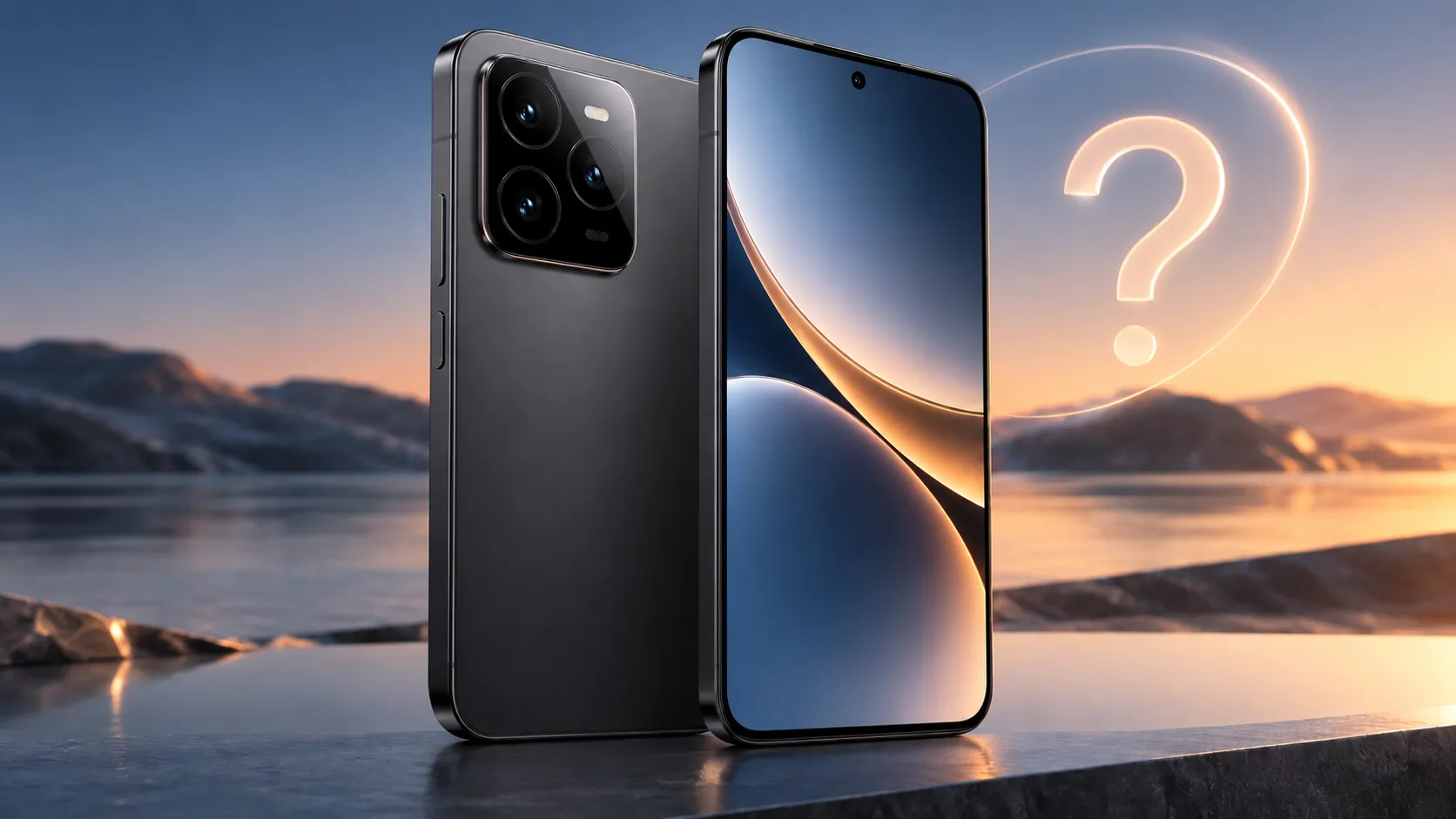
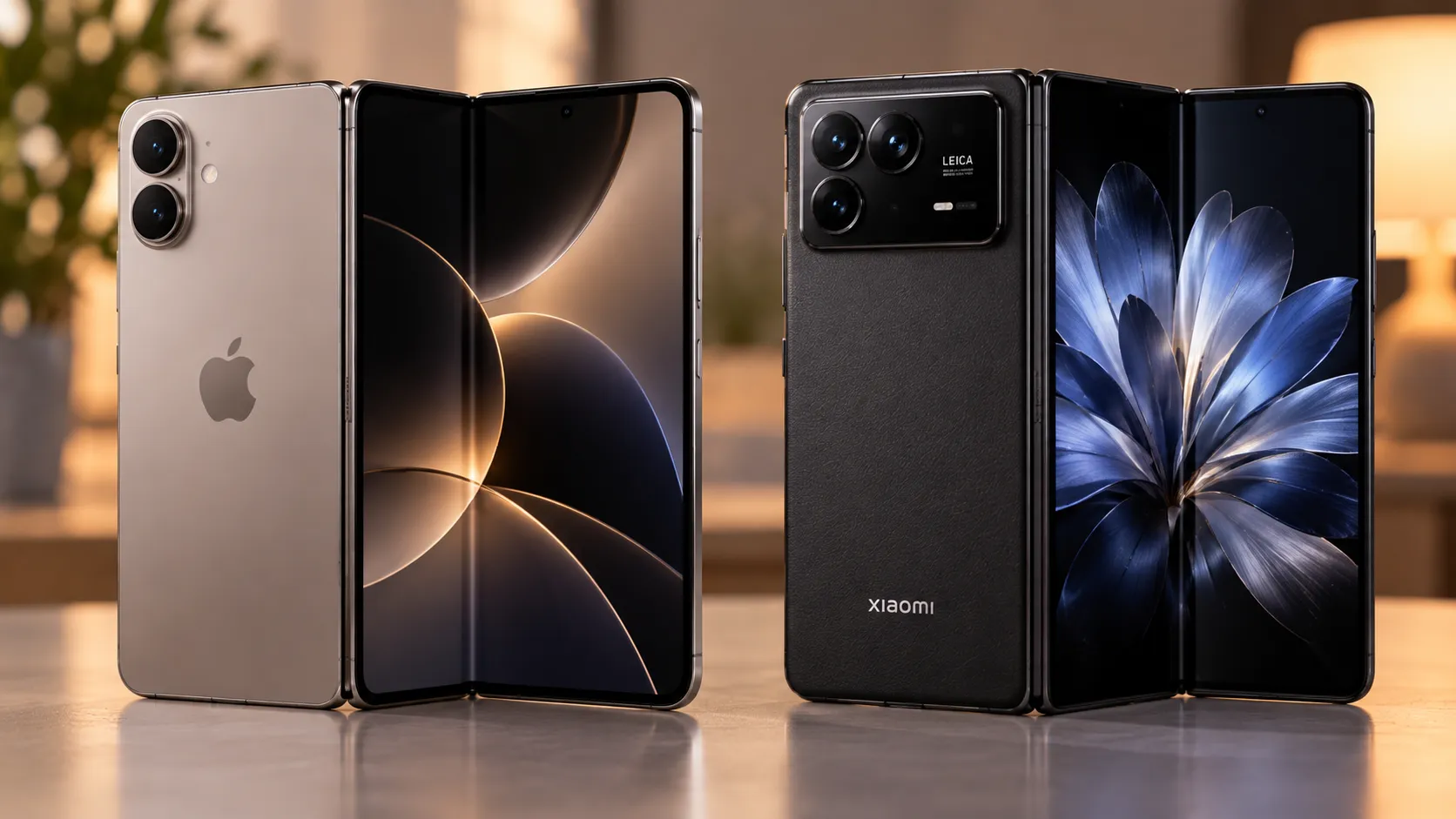
More than 2,700 readers answered a blunt question this week: handed $2,000 of their own money, would they spend it on Apple's iPhone Duo or Samsung's Galaxy Z Fold 8? The Z Fold 8 won decisively, 54.6% to 18.8%, a gap wide enough that Android Authority called the Duo "not challenging Samsung's dominance in foldable phones, at least not in its first generation."
That vote landed while the Duo was still preorder-only. Apple opened orders last week on October 16 and won't start shipping until October 23, so most respondents were reacting to announced specs and a $1,999 price tag rather than any hands-on time with Apple's first foldable iPhone (Apple). CNBC reported that launch-day pickup inventory for the Duo sold out fast, with some online orders now slipping into late January, while Apple itself described preorder demand as "nothing short of extraordinary" (CNBC). IDC, separately, forecasts the Duo could approach 40% of the global foldable market next year (CNBC citing IDC).
None of that settles which foldable is actually better. No independent side-by-side test comparing the Duo and the Z Fold 8 exists yet, so the Samsung Galaxy Z Fold 8 vs iPhone Duo question stays open until reviewers get both devices in hand after this week's launch. What follows is a breakdown of three separate signals, a reader poll, a reported sellout, and a shipment forecast, and what each one actually proves, where they pull in different directions, and what a buyer can act on today versus what still needs real-world testing.
What the Galaxy Z Fold 8 reader poll results actually measure
The poll wasn't a simple two-way vote. Of the 2,700-plus responses, 54.6% picked the Z Fold 8, 18.8% picked the Duo, and that Duo share climbs to roughly 25% once you fold in voters who said they're waiting for reviews before deciding (Android Authority). Another 19.5% said they wouldn't buy any foldable at all, a sizable chunk given the form factor is nearly a decade old at this point (Android Authority).
The one piece of direct reader reasoning in the comments came from a user named wesbrake, who wrote: "I would never spend $2000 on a phone, that is ridiculous, I don't care how nice it is" (Android Authority). That's a single anecdote illustrating sticker shock, not an explanation for why the broader vote tilted toward Samsung. The poll includes no demographic or regional breakdown, and since it ran on Android Authority, it's best read as a measure of that outlet's readership rather than the phone-buying public at large.
For anyone searching for an iPhone Duo alternative right now, the Z Fold 8 is the only device this particular poll weighs it against. The result is a snapshot of stated preference among one tech-enthusiast audience at one moment, before most of them had touched either phone, not proof of why Samsung came out ahead.
Why some buyers still reached for the iPhone Duo
The research doesn't include quotes from readers explaining why they'd pick the Duo. What's available are sourced, plausible factors worth separating from the poll result rather than folding into it.
IDC analyst Nabila Popal told CNBC the Duo is "fast becoming an aspirational foldable," arguing its pull has less to do with new technology than with the fact that it's an Apple product. "It's not that it's a breakthrough or new technology, but it's from Apple," she said (CNBC citing IDC).
Price may be doing some of that work too. Moor Insights analyst Anshel Sag said many expected the Duo to start between $2,400 and $2,500, and Apple landing at $1,999 instead suggests, in Sag's words, that the company "wants a lot of share" (CNBC). Whether that lower number specifically converted price-sensitive iPhone owners isn't something the research confirms, but it's a reasonable factor analysts are pointing to.
Apple also announced foldable-specific software for launch: dual-sided FaceTime calls so both people folding the phone can be seen at once, an outer-screen selfie preview, and an auto-capture Smart Take mode that snaps a photo once it detects a pose (The Verge). Those are confirmed features on paper, though no outside reviewer has tested how useful they are day to day. Android Authority notes that Samsung removed S Pen support from its Z Fold series after previously offering it, while Apple markets the Duo as Apple Pencil compatible, though that support is listed as arriving "later this year" rather than at launch (Apple).
Why the sellout and IDC forecast don't overturn the poll
A sold-out preorder and a bullish shipment forecast sound like they contradict a poll where Samsung won two to one. They don't, because each one measures something different.
Start with supply. Counterpoint Research director Tarun Pathak told CNBC the firm expects initial demand to exceed supply, estimating six million units or fewer available in the near term against an installed base of roughly 1.4 billion iPhones (CNBC citing Counterpoint). A tiny sliver of existing iPhone owners upgrading can clear that shelf regardless of what the broader market thinks of the phone. Popal added that "exclusivity is part of the current appeal," a candid admission that scarcity itself is part of the marketing, not just a side effect of it (CNBC citing IDC).
Now the forecast. IDC expects Apple to ship roughly 7 million Duo units this year, about 3% of its total annual shipments, with 70% growth projected for next year, enough in that model to put Apple near 40% of the global foldable market and ahead of Samsung and Huawei (CNBC citing IDC). That's a projection, not a completed result, and it describes total unit volume rather than head-to-head preference among buyers choosing between the two specific phones.
The revenue picture explains why volume and preference can diverge at all. IDC data shows foldables are expected to make up just over 2% of global smartphone units this year but nearly 7% of industry revenue (IDC data via CNBC). That mix is why analysts are watching the Duo's pricing structure as closely as its unit count, especially with the lineup running from $1,999 up to $3,199 at the 2TB tier (CNBC). A poll saying "I'd buy the Z Fold 8" and a forecast saying "Apple will ship more foldables" aren't answering the same question, and neither one settles the other.
iPhone Duo vs Samsung Galaxy Z Fold 8: what's confirmed, what's unknown
Strip away the sentiment and the forecasts, and here's what's actually locked in about Apple's side of this matchup, plus what still needs independent hands-on testing once units ship on October 23.
Confirmed about the Duo:
- $1,999 starting price, with storage options from 256GB up to 2TB (Apple)
- Retail availability beginning October 23 (Apple)
- eSIM-only design worldwide, with no physical SIM slot (The Verge)
- Touch ID built into the side button instead of Face ID (The Verge)
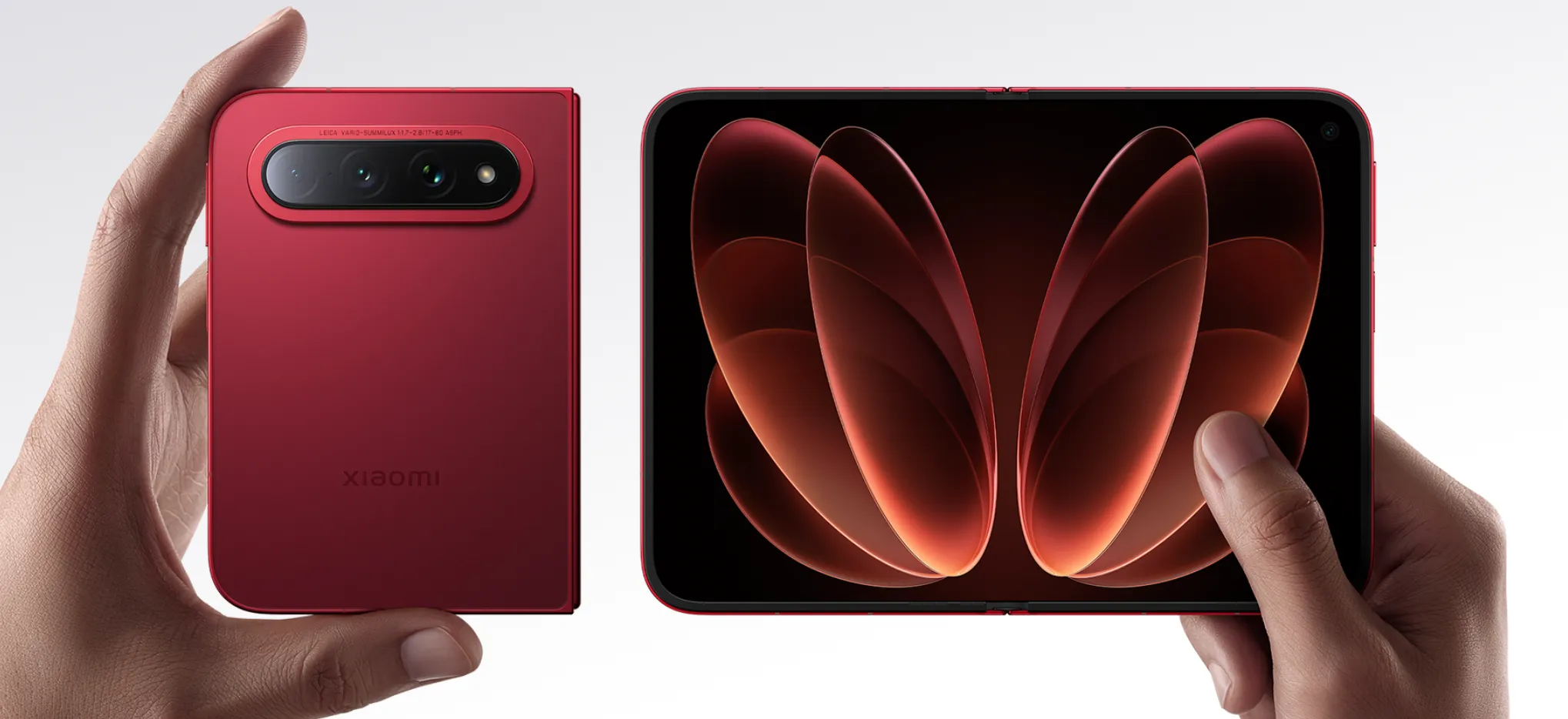
- 11.3mm thickness when closed, thicker than Samsung's comparable foldables and most recent Android models (The Verge)
- Apple Pencil support arriving "later this year," not at launch (Apple)
Not established by any reporting here:
- Camera quality in independent testing
- Real-world battery life outside Apple's own claims
- Crease visibility over months of use
- Hinge longevity
- How well existing apps adapt to the fold
- Repair cost if the device is dropped or damaged
- How the Duo actually performs against the Z Fold 8 in person
What to verify before ordering either phone: carrier eSIM compatibility, the retailer's return window, trade-in value on an existing device, repair coverage terms, and whether the delayed Pencil support matters enough to a given workflow to wait for it.
Can either be called the best foldable phone of 2026 yet?
Not based on what's available right now. Apple's own announcement lists IP68 water and dust resistance, Ceramic Shield 2 on the front display with triple the scratch resistance of the prior generation, and a hinge built from more than 100 components engineered to support the display's center (Apple). Those are company specifications, not outside lab results, and independent long-term testing simply can't exist yet with retail units not shipping until this Friday.
A six-month review of the Pixel 10 Pro Fold offers useful context for why foldable buyers tend to stay cautious as a category, regardless of brand. The reviewer still avoided beach conditions despite an IP68 rating and described the inner-screen crease as "still very visible" months into ownership (9to5Google). That's a reminder that marketed durability claims and real-world caution don't always line up across the category, though it says nothing specific about the Duo. No independent head-to-head review of the Duo and the Z Fold 8 exists in the current reporting, and nothing here addresses camera quality, crease depth, multitasking, battery life, or repair cost between the two phones directly. Samsung's longer track record as a foldable maker is real; a tested advantage over this specific new rival is not, at least not yet.
Samsung Galaxy Z Fold 8 vs iPhone Duo: what to do next
Buyers fall into three groups here, and none of them should lean on the poll or the sellout alone to decide.
Anyone who needs a foldable before this Friday doesn't have the Duo as an option yet. Compare the Z Fold 8's current price, return window, and repair coverage directly with the retailer rather than treating a poll result as proof it's the better phone.
Existing iPhone owners weighing a first foldable, with no urgency to buy, should wait for independent testing on the Duo's crease, hinge durability, battery life, and repair costs before committing $1,999 or more. The confirmed trade-offs, eSIM-only setup, Touch ID instead of Face ID, 11.3mm thickness, delayed Pencil support, are worth weighing against daily habits now, but they're not reasons to rush an order before reviews land.
For current Z Fold or Android users, Apple's preorder sellout and IDC's shipment forecast aren't evidence the Duo has caught up on cameras, software adaptation, or long-term reliability. Switching on the strength of demand numbers alone skips the comparison that actually matters. Wait for a side-by-side review before assuming either direction is settled.





Comments
Be the first, drop a comment!