



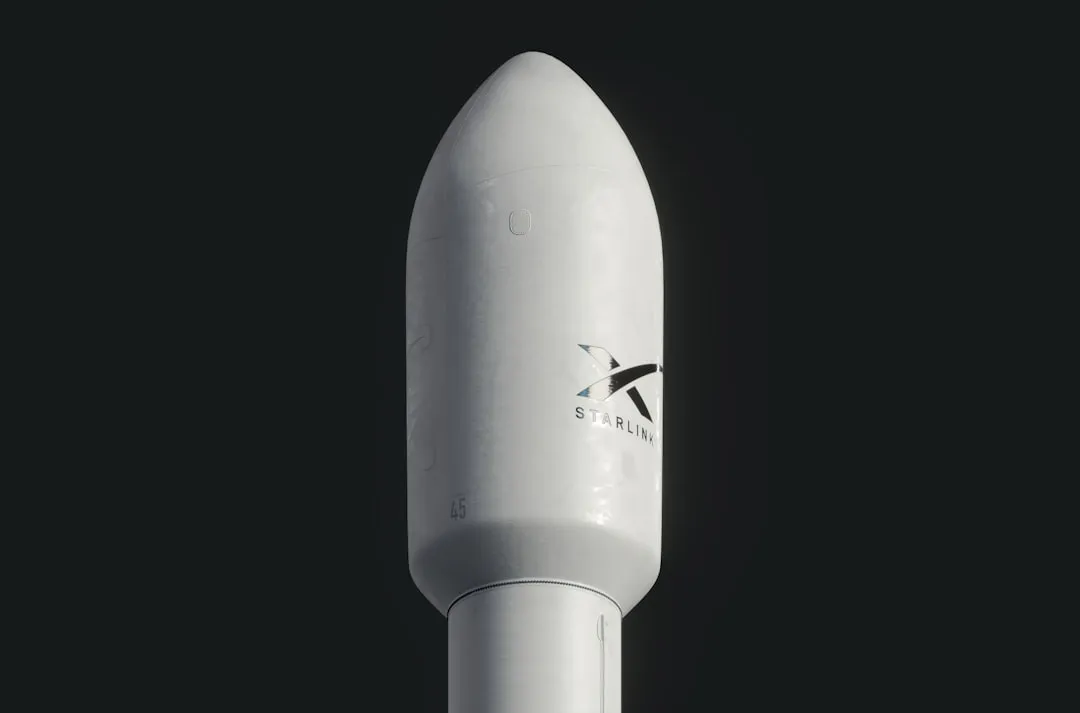
SpaceX's recent trademark filing for "Starlink Mobile" has sent ripples through the tech world, and for good reason. This isn't just another corporate filing gathering dust in a regulatory office—it's the strategic culmination of everything SpaceX has learned from its partnership-based approach to cellular connectivity. SpaceX submitted the application in October, covering everything from cellular communication services to video and data delivery for mobile devices. The timing reveals a crucial strategic evolution: this follows SpaceX's growing telecom partnerships, including their high-profile collaboration with T-Mobile and recent spectrum acquisition from EchoStar, suggesting that SpaceX has moved from testing the waters through partnerships to preparing for direct market entry. Here's what really has industry watchers buzzing: Elon Musk has hinted that SpaceX might pursue becoming a global carrier, though he's been careful to temper expectations about putting traditional carriers out of business.
What's actually in these trademark filings?
Let's break down what SpaceX is really asking for here, because the scope reveals a company that's moved far beyond experimental partnerships. The trademark application covers a surprisingly broad range of telecommunications services, including cellular personal communication services and data delivery to smartphones and smart devices. This isn't just about emergency texting or basic connectivity—we're talking about comprehensive mobile services that could fundamentally reshape how we stay connected.
What makes this particularly compelling is how it builds on everything they've learned from existing operations. The filing suggests SpaceX is positioning itself for both satellite and ground-based cellular coverage, which represents a hybrid approach informed by real-world experience with T-Mobile customers. Traditional carriers are limited by tower placement and geography, but SpaceX's partnership data has likely shown them exactly where satellite-terrestrial hybrid systems could provide the most value.
The strategic insight here is crucial: SpaceX already has cellular Starlink services running through partnerships with carriers like T-Mobile, Rogers in Canada, and KDDI in Japan. This trademark filing suggests they've gathered enough performance data and market intelligence from these B2B2C relationships to confidently move toward direct B2C services—essentially cutting out the middleman once they've proven the technology works.
The spectrum acquisition that changes everything
Now here's where the trademark filing timing becomes strategically brilliant. SpaceX's acquisition of spectrum rights from EchoStar in September 2025 wasn't just about expanding technical capabilities—it was about securing the regulatory foundation that makes direct carrier services viable. This spectrum purchase directly enables the comprehensive services outlined in the trademark application.
The deal gives SpaceX access to 50 MHz of spectrum in crucial frequency bands, including AWS-4 and H-block spectrum that operates in the 1.9 and lower 2 GHz ranges. These frequencies are particularly valuable because they balance coverage range with data capacity—exactly what you need for the "cellular personal communication services" mentioned in the trademark filing.
The performance transformation is remarkable. Research suggests this additional spectrum could potentially increase system capacity to 18.6 Mbps per beam, which represents the technical foundation for offering genuine carrier-grade services. To put that in perspective, while current cellular Starlink operates at slower speeds suitable mainly for lower-quality video calls and messaging, this spectrum acquisition enables the data delivery capabilities explicitly claimed in the trademark—making the legal filing technically viable rather than aspirational.
Current performance validates direct carrier potential
Let's examine the technical foundation that makes the trademark filing credible, because the numbers tell a story of rapid capability evolution. Current measurements show the system operates with approximately 3.1 Mbps per beam capacity, which might sound modest but represents a proven baseline that supports the basic services outlined in the trademark application.
The deployment timeline shows strategic preparation for direct services. The system currently supports SMS services, with voice and data planned for late 2025, perfectly positioning SpaceX to launch "Starlink Mobile" services as these capabilities come online. The infrastructure foundation is already substantial: Starlink completed its first direct-to-device constellation of approximately 400 satellites in December 2024, with authorization to operate up to 7,500 such satellites.
But here's what makes the trademark filing particularly strategic: SpaceX plans to launch up to 15,000 next-generation satellites specifically designed for enhanced cellular service. These aren't just more satellites—they're purpose-built for the comprehensive mobile services described in the trademark, with improved antennas and frequency management that support the "video and data delivery" capabilities SpaceX is claiming trademark rights to protect.
The technical roadmap validates the trademark strategy: current spectral efficiency is approximately 0.52 bits/Hz, but with planned improvements and additional spectrum, SpaceX is positioning to offer genuinely competitive services under the Starlink Mobile brand.
Regulatory timing reveals strategic orchestration
The regulatory landscape shows how carefully SpaceX has orchestrated this progression from partnerships to direct services. The FCC granted partial approval for Starlink's direct-to-device operations in November 2024, with conditions designed to prevent interference with existing networks—conditions that SpaceX has been learning to navigate through their partnership experiences.
Wireless providers including AT&T and Verizon have raised concerns about increased satellite power levels potentially disrupting their existing infrastructure. However, the trademark filing suggests SpaceX is prepared for these regulatory battles, having gathered interference data and operational experience through T-Mobile that supports their direct-carrier applications.
The timeline for full deployment aligns perfectly with trademark protection needs: if everything proceeds as planned, Starlink should deliver significantly improved smartphone service by late 2027. Filing the trademark now protects the "Starlink Mobile" brand during this crucial development period, ensuring competitors can't claim similar names as direct-to-device services proliferate.
What's particularly smart is how SpaceX is already working with chip manufacturers to ensure proper hardware support in future devices. This suggests the trademark filing is part of a comprehensive go-to-market strategy that extends beyond regulatory approval to actual ecosystem development.
What this means for the mobile industry
The implications of Starlink Mobile extend far beyond brand protection—this trademark represents the formalization of satellite companies transitioning from infrastructure providers to direct competitors. This represents the first collaboration between a satellite operator and wireless carrier to receive FCC authorization, but the trademark filing signals an evolution from collaboration to competition.
The market disruption potential is significant: the technology promises to eliminate cellular dead zones across the United States, but more importantly, it offers an alternative to traditional carrier business models. Instead of customers choosing between Verizon, AT&T, or T-Mobile, they might soon choose between terrestrial and satellite-terrestrial hybrid carriers.
Musk's realistic assessment provides crucial context for understanding SpaceX's actual market strategy. He's stated that traditional carriers will continue to exist because they control significant spectrum resources. This suggests Starlink Mobile isn't designed to replace traditional carriers entirely but to capture specific market segments—emergency services, remote connectivity, and areas where traditional infrastructure economics don't work.
The strategic positioning becomes clear when you consider emergency applications: satellite-to-device technology offers crucial communication links during natural disasters when traditional infrastructure fails. The Starlink Mobile trademark protects SpaceX's ability to market directly to consumers during these high-visibility, high-value moments rather than relying on carrier partners to represent the technology.
From a competitive standpoint, the trademark filing puts pressure on other satellite companies and traditional carriers to accelerate their own direct-to-device strategies. The partnerships between Verizon and AT&T with AST SpaceMobile suddenly look less like competitive advantages and more like temporary solutions while they develop their own capabilities.
The bottom line? The Starlink Mobile trademark isn't just legal protection—it's SpaceX's declaration that they've moved from proving the technology works to building a brand around direct consumer satellite cellular services. While we're still years away from seeing this as a mainstream alternative for most consumers, the technical foundation, regulatory momentum, and strategic preparation suggest this progression from partnership to direct competition represents the inevitable evolution of how we'll stay connected in an increasingly mobile world.






Comments
Be the first, drop a comment!