



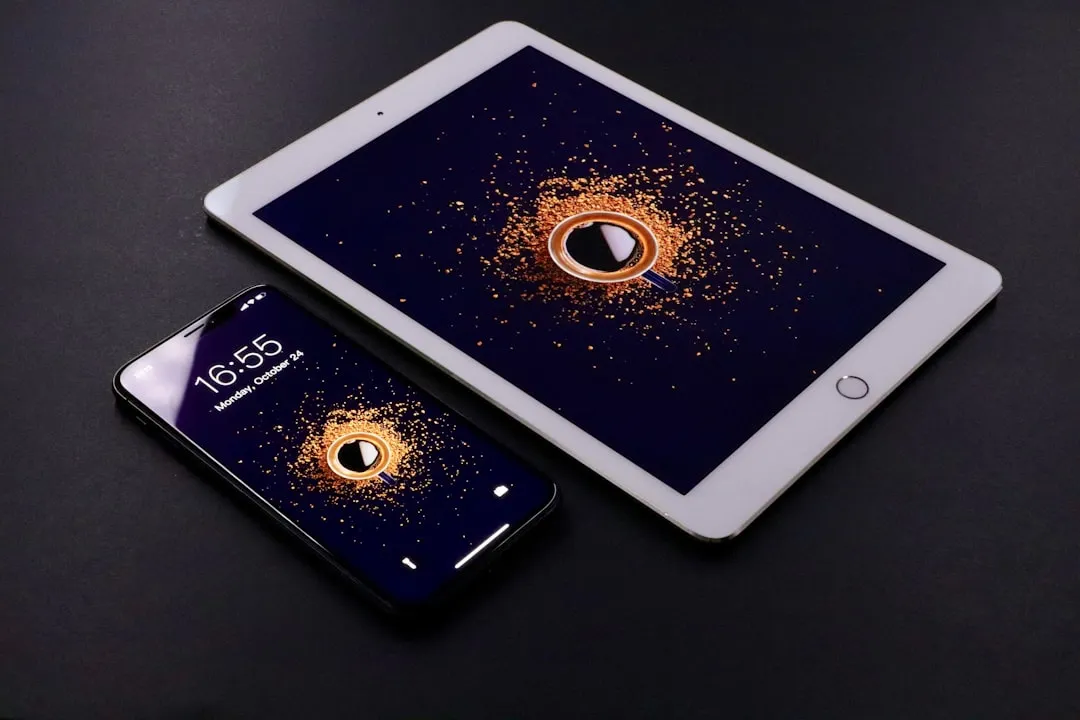
The tablet wars have reached a new peak in 2025, with two premium powerhouses going head-to-head in what might be the most compelling flagship face-off we've seen in years. Samsung launched their massive Galaxy Tab S11 Ultra in September (Samsung Galaxy Tab S11 Ultra was released on September 4, 2025), featuring a jaw-dropping 14.6-inch display that's bigger than many laptops. Apple quickly responded in October with their iPad Pro M5 (Apple iPad Pro 13-inch (M5, 2025) was released on October 22, 2025), packing their latest desktop-class chip into an ultra-thin design.
What makes this showdown particularly fascinating is how each tablet represents dramatically different philosophies: Samsung prioritizing screen real estate and desktop-like flexibility while Apple focuses on raw performance and ecosystem integration. Both tablets represent the absolute pinnacle of their respective ecosystems, but they cater to distinctly different approaches to premium tablet excellence.
Display showdown: Size versus refinement
When it comes to screens, you're looking at two fundamentally different philosophies that reflect broader industry trends. The Galaxy Tab S11 Ultra dominates with its enormous 14.6-inch AMOLED panel (Samsung Galaxy Tab S11 Ultra has a screen size of 14.6 inches (37.08 cm)), offering a resolution of 2960x1848 pixels that delivers stunning color reproduction and deep blacks typical of AMOLED technology. This massive display creates an immersive experience that's particularly impressive for media consumption and multitasking scenarios (Its 14.6-inch AMOLED display with a 16:10 aspect ratio is a standout feature, offering an immersive experience for media consumption, multitasking, and productivity).
The iPad Pro M5 takes a more refined approach with its 13-inch display, featuring Apple's Ultra Retina XDR OLED technology (Apple iPad Pro 13 M5 Chip 2025 WiFi has a display type of Ultra Retina XDR OLED). While smaller than Samsung's offering, it packs a higher resolution of 2752x2064 pixels into that space, resulting in a sharper pixel density of 264 ppi compared to Samsung's 239 ppi (Apple iPad Pro 13 M5 Chip 2025 WiFi has a pixel density of 264 ppi). Apple's display also gets significantly brighter, reaching 561 nits in SDR mode versus Samsung's 401 nits (The iPad Pro M5 has a brightness of 561 nits (SDR) and 965 nits (HDR)).
This size difference isn't just about numbers—it translates into fundamentally different use cases. Samsung's laptop-sized canvas is genuinely transformative for creative professionals working on detailed illustrations or anyone juggling multiple productivity apps simultaneously. Apple's approach prioritizes portability and precision, making that pixel-perfect sharpness ideal for detail-oriented work like photo editing, where color accuracy and outdoor visibility become crucial factors.
Performance battle: M5 chip versus MediaTek power
Here's where the raw numbers tell a compelling story about different approaches to tablet computing. The iPad Pro M5 is equipped with Apple's latest M5 chip, featuring a 9-core CPU configuration (Apple iPad Pro 13 M5 Chip 2025 WiFi has a processor with Nona Core) and 10-core GPU that delivers exceptional performance for demanding creative tasks. In benchmark testing, this translates to some impressive numbers - the M5 scored 4,155 in Geekbench single-core performance and a massive 16,517 in multi-core tests (In benchmark tests, the iPad Pro M5 scored 4,155 in Geekbench single-core, while the Galaxy Tab S11 Ultra scored 2,811).
Samsung's Galaxy Tab S11 Ultra runs on the MediaTek Dimensity 9400+ processor with an octa-core configuration (Samsung Galaxy Tab S11 Ultra Wi-Fi+5G has an Octa core processor). While it doesn't match Apple's raw computational power - scoring 2,811 in single-core and 9,126 in multi-core Geekbench tests - it still delivers smooth performance for most tasks and excels in multitasking scenarios thanks to its desktop-like Samsung DeX interface (The Samsung Galaxy Tab S11 Ultra uses Samsung DeX to create a desktop-like experience). Both tablets come with 12GB of RAM in their base configurations, ensuring plenty of memory for demanding applications.
What's particularly interesting is how these performance differences play out in real-world scenarios. The M5's overwhelming power advantage makes it the clear winner for processor-intensive tasks like 4K video editing, 3D rendering, or running professional audio production software. However, Samsung's approach focuses on practical multitasking efficiency—you might not render videos faster, but you can easily run a dozen apps simultaneously while switching between tablet and desktop interfaces seamlessly.
Software ecosystems: Android flexibility meets iOS polish
The software experience represents one of the biggest differentiators between these tablets, ultimately defining how you'll actually use them day-to-day. Samsung's Galaxy Tab S11 Ultra runs Android 16 with One UI 8 (Samsung Galaxy Tab S11 Ultra Wi-Fi+5G uses Android v16 as its operating system), offering incredible flexibility for power users who want laptop-like productivity features. The DeX mode transforms the tablet into a desktop environment with windowed applications, making it genuinely useful for serious work scenarios (Samsung's One UI 8 supporting split-screen multitasking, floating windows, and DeX mode). Galaxy AI integration adds smart features and personalized recommendations that enhance the overall user experience.
Apple's iPad Pro M5 runs iPadOS 26 (Apple iPad Pro 13 M5 Chip 2025 WiFi uses iPadOS v26 as its operating system), which offers a more refined, tablet-optimized experience with features like Stage Manager for advanced multitasking. While perhaps not as flexible as Android for customization, iPadOS provides access to a vast library of tablet-optimized apps that often aren't available on Android (iPadOS includes features like Stage Manager, advanced file management, and app integration). The tight integration with other Apple devices through features like Handoff and AirDrop makes it particularly appealing for users already invested in the Apple ecosystem.
Samsung's DeX mode deserves special attention because it genuinely bridges the gap between tablet and laptop computing. You can connect external monitors, use desktop-style file management, and run multiple windowed apps exactly like you would on a traditional computer. Apple's Stage Manager is elegant and functional, but it maintains a distinctly tablet-first approach that some users find limiting when trying to replicate desktop workflows.
Battery life and practical considerations
When it comes to all-day usage, both tablets deliver impressive endurance while taking characteristically different approaches to power management and practical features. The Galaxy Tab S11 Ultra packs a massive 11,600mAh battery (Samsung Galaxy Tab S11 Ultra Wi-Fi+5G has a battery capacity of 11600 mAh) that supports 45W fast charging, delivering around 12 hours of continuous use in testing scenarios. The inclusion of expandable storage via microSD (up to 2TB) adds significant practical value for users who need lots of local storage (Samsung Galaxy Tab S11 Ultra supports expandable memory up to 2 TB).
The iPad Pro M5 features a smaller 10,290mAh battery but achieves impressive efficiency through Apple's chip optimization, lasting over 13 hours in similar testing conditions (In battery life tests, the iPad Pro M5 lasted 13 hours and 16 minutes, while the Galaxy Tab S11 Ultra lasted 12 hours and 3 minutes). However, storage is fixed with no expansion options, meaning you'll need to choose your capacity carefully at purchase time. Both tablets offer excellent build quality with aluminum construction, though Samsung adds practical IP68 water resistance that Apple doesn't match (The Tab S11 Ultra has a water and dust resistance rating of IP68).
These practical differences highlight each company's design philosophy: Samsung emphasizes flexibility and user choice, allowing you to expand storage as needed and providing peace of mind with water resistance. Apple prioritizes optimization and streamlined experiences, achieving better battery efficiency through tighter hardware-software integration, though this comes at the cost of expandability and requires more careful initial planning.
Value proposition: Which offers more bang for your buck?
Pricing reveals some interesting dynamics between these premium tablets that go beyond simple sticker prices. The Galaxy Tab S11 Ultra starts at $1,199 for the base model with 12GB RAM and 256GB storage, and importantly, includes the S Pen stylus in the box (The Galaxy Tab S11 Ultra starts at $1,199 and includes the S Pen). When you factor in Samsung's typically generous trade-in programs and frequent promotional offers, the effective price often drops significantly below the sticker price.
The iPad Pro M5 starts at $1,299 for the 13-inch model (The iPad Pro (M5) starts at $1,299, and accessories like the Magic Keyboard and Apple Pencil Pro are extra), but that's before adding essential accessories like the Apple Pencil Pro ($79) or Magic Keyboard ($349). The Galaxy Tab S11 Ultra's Book Cover Keyboard adds $209, making Samsung's complete package significantly more affordable (The Book Cover Keyboard for Galaxy Tab S11 Ultra adds $209 to its cost, while the Magic Keyboard for iPad Pro M5 adds $349). However, Apple tablets typically retain their value better over time, which could offset the higher initial investment for some users.
The value calculation becomes more complex when considering long-term ownership costs. Samsung's approach provides immediate value through included accessories and expandable storage that can extend the device's useful life. Apple's strategy requires higher upfront investment but potentially offers better resale value and longer software support cycles, making it more cost-effective for users who plan to keep their tablets for many years.
The verdict: Choose based on your priorities
Bottom line: both tablets excel in their respective strengths, making the choice largely dependent on your specific workflow needs and ecosystem preferences. The Galaxy Tab S11 Ultra wins on versatility, offering the largest display available, expandable storage, included stylus, and genuine laptop-replacement capabilities through DeX mode (The Samsung Galaxy Tab S11 Ultra is suitable for users who want flexibility, multitasking, and expandable storage). It's particularly compelling for Android users, creative professionals who prioritize screen real estate, and anyone wanting maximum functionality per dollar spent.
The iPad Pro M5 dominates in raw performance, display quality, and ecosystem integration, making it ideal for users already invested in Apple's world or those who prioritize the most refined tablet experience available (The iPad Pro is ideal for creative professionals, users invested in the Apple ecosystem, and those needing high-performance tasks). If you need the absolute fastest performance for demanding creative work, want the most color-accurate display for professional photo editing, or require seamless integration with other Apple devices, Apple's offering justifies its premium pricing.
The choice ultimately comes down to this fundamental question: do you value flexibility and immediate value (Galaxy Tab S11 Ultra) or peak performance and long-term ecosystem integration (iPad Pro M5)? Both represent the cutting edge of tablet technology, but they serve distinctly different user types and workflows in the evolving landscape of premium mobile computing.













Comments
Be the first, drop a comment!