



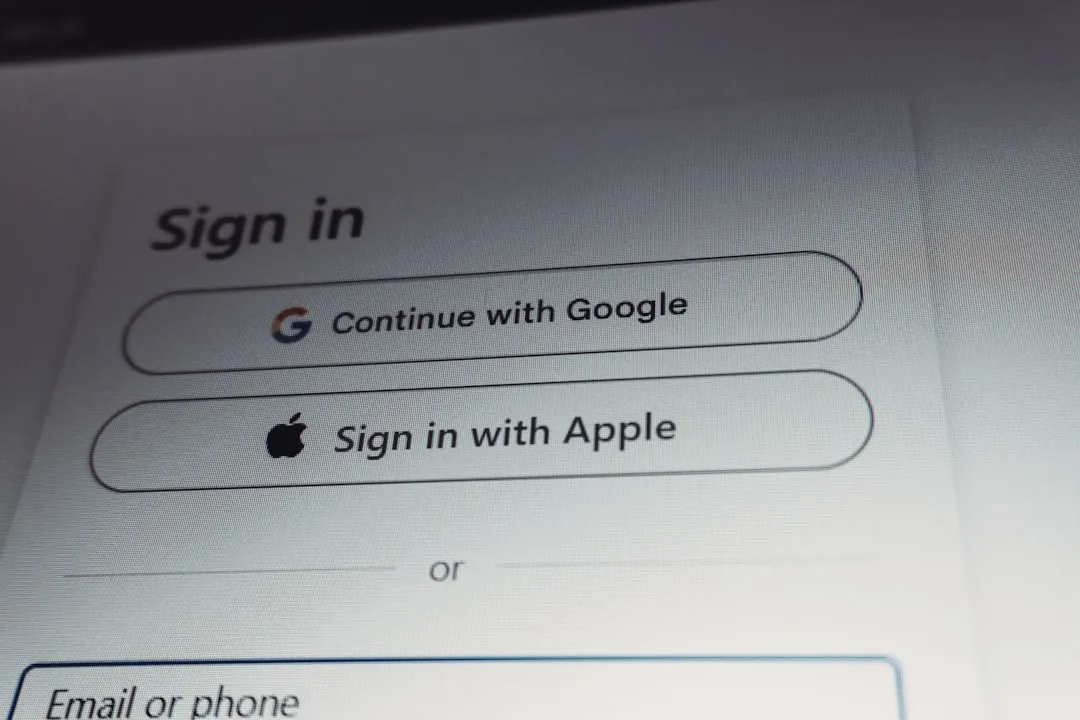
When you think about the relationship between Apple and Google, collaboration probably isn't the first word that comes to mind. These are the companies behind iOS and Android, the two platforms that have been locked in mobile warfare for over a decade. Yet something unprecedented is happening right now—they're actually working together to solve one of the most frustrating problems in mobile tech: switching between their platforms.
This isn't just about making data migration smoother. This collaboration represents a fundamental shift in how these tech titans approach user mobility, driven by mounting regulatory pressure and evolving user expectations that demand seamless technology experiences regardless of platform choice.
The partnership centers on streamlining data migration between platforms, according to MacRumors. Both companies are experiencing scrutiny from regulators worldwide regarding practices that lock users into specific platforms, creating an environment where collaboration becomes not just beneficial but potentially necessary. This collaborative approach promises enhanced functionality and support for additional data types beyond what current migration tools offer, according to 9to5Google.
What makes this particularly significant is the strategic timing. Regulatory bodies have been examining platform lock-in practices across multiple jurisdictions, while both companies recognize that reducing friction in platform switching can actually strengthen their competitive positions by encouraging user experimentation with different ecosystems.
What's actually changing with the new migration system?
Let's break down what this collaboration means in practical terms. Currently, platform switching relies on separate, limited tools that often leave users frustrated. Apple's Move to iOS app handles Android-to-iPhone transitions, while Google's Android Switch app manages the reverse migration, according to MacRumors. These existing solutions work for basic transfers but fall short when users want to move their complete digital lives between platforms.
Here's where things get interesting—the new collaborative approach completely reimagines this process. Instead of relying on standalone applications that feel like afterthoughts, both companies are building transfer functionality directly into device setup processes, as reported by MacRumors. When you set up a new phone, comprehensive migration options will be integrated seamlessly into the initial experience, eliminating the need to hunt down separate apps or worry about incomplete transfers.
The enhanced system represents a significant leap beyond current capabilities. While existing tools handle basics like contacts, photos, and messages, the new collaboration will support additional data types that current migration tools simply can't handle, expanding to include more comprehensive user information like app data, settings configurations, and potentially even platform-specific features that have historically been lost in translation, as noted by 9to5Mac.
Implementation has already begun with Android Canary build 2512 rolling out to all Pixel devices, while Apple plans to introduce the features in an upcoming iOS 26 developer beta, according to 9to5Google. This staggered beta approach allows both companies to test and refine the system collaboratively before general availability.
Why are Apple and Google working together now?
The catalyst for this unprecedented collaboration stems from multiple converging pressures that have fundamentally changed the competitive landscape. Both companies face regulatory scrutiny from multiple jurisdictions examining platform lock-in practices, according to MacRumors. When regulators start questioning monopolistic behaviors, sudden collaboration begins looking strategically attractive.
But there's deeper strategic thinking at play beyond regulatory compliance. Making platform switching easier can actually benefit both companies by reducing user anxiety about platform commitment, potentially leading to more experimentation in both directions, as reported by MacRumors. This counterintuitive approach recognizes that confident users who know they can easily move their data are more likely to try different platforms, potentially benefiting whichever company offers the superior current experience.
The technical foundation for this collaboration was established through recent cross-platform compatibility breakthroughs. Google's successful implementation of AirDrop compatibility with Android's Quick Share system on Pixel 10 devices proved that deeper integration between fundamentally different platforms is not only technically feasible but can maintain security standards that exceed industry benchmarks, according to Times of India.
EU regulations under the Digital Markets Act have created both opportunity and necessity for this collaboration. These requirements mandate Apple to support interoperable wireless standards, including Wi-Fi Aware, starting with iOS 26, as noted by Times of India. This regulatory environment demonstrates how external pressure can transform competitive dynamics into collaborative opportunities.
What technical hurdles need to be overcome?
The technical challenges of seamless cross-platform migration are genuinely complex, requiring reconciliation of two mobile computing approaches that evolved independently over more than a decade. We're talking about fundamentally different data formats, security architectures, storage systems, and platform philosophies that must somehow communicate and translate user information without loss or corruption.
Current migration tools handle surface-level transfers but struggle with deeper integration challenges. App data presents particular difficulties because iOS and Android apps store information differently, use distinct authentication methods, and rely on platform-specific APIs that don't have direct equivalents. Settings configurations face similar obstacles, as each platform organizes user preferences through different hierarchies and frameworks.
Security represents the most critical technical hurdle throughout this collaboration. Users trust these companies with their most sensitive personal information during transfers, requiring the system to maintain data integrity while moving information between fundamentally different security architectures. Google's previous AirDrop compatibility work required extensive security validation, including third-party audits by NetSPI that found the implementation to be "notably stronger" than industry standards, according to Times of India. The migration system will demand similar security rigor to maintain user trust and satisfy regulatory requirements.
What's particularly noteworthy is how Google's AirDrop compatibility success serves as a proof of concept for migration challenges. That project required reverse-engineering Apple's proprietary protocols without official cooperation, demonstrating the technical complexity involved in cross-platform integration. The current partnership suggests both companies are committed to proper implementation rather than relying on workarounds.
Timeline uncertainty reflects the complexity involved, with no specific dates announced for when enhanced migration features will reach general availability, as reported by 9to5Mac. Users can continue relying on existing Move to iOS and Android Switch applications while the companies develop and test the improved system through their respective beta programs, according to 9to5Mac.
Where does this leave the mobile ecosystem?
This collaboration signals something bigger than improved data migration—it represents the beginning of a more interoperable mobile ecosystem where fierce competition can coexist with strategic cooperation. The partnership demonstrates that even the most competitive tech giants can find common ground when regulatory requirements, user needs, and business interests align in unexpected ways.
The market fundamentals remain fascinating to analyze. Android maintains approximately 70% global market share compared to iOS's 29%, as reported by Netguru, yet both platforms demonstrate remarkably strong customer retention—Android at 91% compared to iOS's 86%, according to Netguru. Easier switching could paradoxically strengthen both ecosystems by reducing the anxiety users feel about platform commitment while encouraging experimentation that benefits whoever offers the superior current experience.
The strategic implications extend far beyond migration capabilities. If Apple and Google can successfully collaborate on fundamental infrastructure like data transfer, it opens pathways for additional cross-platform features and services. We're already witnessing this evolution with file sharing capabilities between Pixel devices and iPhones through Quick Share and AirDrop integration. Logical next developments could include cross-platform messaging improvements, shared standards for device interconnectivity, and collaborative approaches to emerging technologies like AR integration and AI assistant capabilities.
PRO TIP: For users considering platform switches in 2025, wait for the enhanced migration system to reach general availability. The improved data transfer capabilities will likely preserve significantly more of your digital life than current tools allow.
The regulatory landscape will continue shaping these collaborative developments. EU regulations have already forced Apple toward more open standards, with similar requirements under consideration in other jurisdictions. This creates an environment where collaboration becomes essential for both companies to maintain their market positions while satisfying regulatory demands for user choice and data portability.
Bottom line: This partnership represents the evolution of mobile platform competition from zero-sum warfare to strategic coexistence. While Apple and Google will undoubtedly continue competing intensely on features, design, and user experience, they're discovering that collaboration on fundamental infrastructure benefits everyone—users gain seamless experiences, regulators see genuine choice and mobility, and both companies strengthen their long-term strategic positions. As the enhanced migration system evolves through beta testing, it will provide valuable insights into how these tech titans can work together while maintaining their competitive advantages in an increasingly interconnected digital world.














Comments
Be the first, drop a comment!